Is Rattan Patio Furniture Durable?
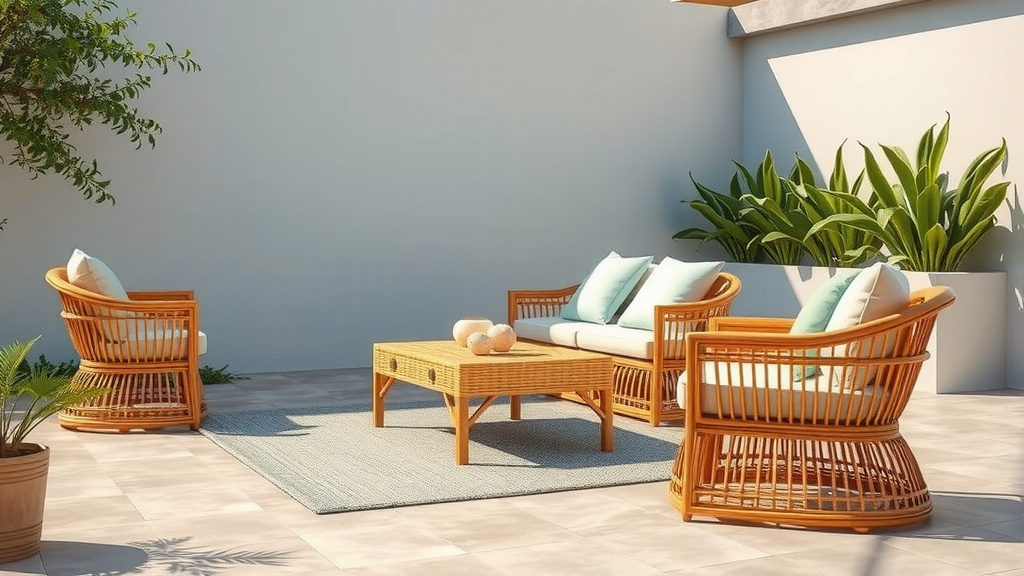
The durability of rattan patio furniture largely depends on its type; natural rattan is less durable for prolonged outdoor exposure than its synthetic (PE) counterpart.
High-quality synthetic rattan, coupled with consistent care, can easily withstand the elements for over a decade, often providing robust and long-lasting comfort for your outdoor space.
Here’s a quick overview of what you’ll find about rattan furniture durability:
- Synthetic rattan is engineered for excellent outdoor resilience, often lasting 10-15 years or more.
- Natural rattan brings beauty but thrives best in sheltered or indoor settings, away from direct weather.
- The lifespan of your furniture is greatly influenced by factors like UV protection, frame strength, and weave quality.
- Simple maintenance, including regular cleaning and proper seasonal storage, can significantly extend its beauty and function.
- Choosing high-quality synthetic rattan means you’re investing in enduring style and great value for your patio.
Is Rattan Patio Furniture Durable?
Yes, rattan patio furniture can be very durable, but this depends heavily on whether you choose natural rattan or synthetic rattan, also known as PE rattan or all-weather wicker.
Synthetic rattan is designed specifically for outdoor resilience, making it a highly practical and lasting option for your garden or patio.
Understanding Rattan: Natural vs. Synthetic
When you think of rattan, you might picture beautiful, woven furniture. But there’s a big difference in how it performs outdoors.
Let’s look at the two main types you’ll encounter and their inherent strengths and weaknesses.
Natural Rattan: The Real Deal
Natural rattan comes from a vine-like palm found in tropical regions. It’s incredibly strong and flexible, making it ideal for intricate weaving.
We found that natural rattan offers a classic, earthy aesthetic that many people love for indoor spaces or very protected outdoor areas like screened porches.
However, when exposed to direct sunlight, rain, and humidity, natural rattan can quickly degrade. It may fade, become brittle, or even grow mildew (University of Florida IFAS Extension).
Think of it like a beautiful wooden piece: it needs protection from the harsh outdoor elements.
Synthetic Rattan: Built for the Outdoors
Synthetic rattan, often called PE (polyethylene) rattan, is made from man-made fibers. These fibers are designed to mimic the look and feel of natural rattan but with superior outdoor performance.
Research consistently shows that synthetic rattan is formulated to resist UV radiation, moisture, and temperature changes, which are the main enemies of outdoor furniture.
This type of rattan is usually what people mean when they talk about “all-weather wicker” for patios and decks.
Why Quality Matters for Durability
Not all synthetic rattan is created equal. The quality of materials and construction plays a huge part in how long your furniture will last.
It’s like comparing a budget raincoat to a premium one; both keep you dry, but one will last many seasons.
Frame Materials: The Backbone of Your Furniture
The frame underneath the rattan weave is critical. Many experts agree that aluminum frames are the best choice for outdoor rattan furniture.
Aluminum is naturally rust-resistant, lightweight, and strong, making it ideal for longevity in varying weather conditions.
Steel frames are also used, but they must be powder-coated to prevent rust. If the coating chips, rust can become a serious issue, weakening the structure over time.
Weave Quality: A Tight Grip on Longevity
Take a close look at how the rattan strands are woven. A tight, consistent weave suggests better craftsmanship and durability.
Loose or uneven weaving can lead to sagging or unraveling much faster, especially in high-traffic areas like seats and arms.
A good weave also helps distribute weight evenly, making the furniture more comfortable and less prone to stress points.
UV Resistance: Battling the Sun’s Rays
The sun’s ultraviolet (UV) rays are a major factor in furniture degradation. High-quality synthetic rattan includes UV inhibitors in its manufacturing process.
These inhibitors help prevent the material from fading, cracking, or becoming brittle over time due to sun exposure.
Without good UV resistance, even synthetic rattan can lose its color and structural integrity surprisingly fast.
The Lifespan of Rattan Furniture: What to Expect
So, how long can you realistically expect your rattan furniture to last? It really varies.
Here’s a general guide based on common materials and care levels.
How Long Does Synthetic Rattan Last?
With good quality materials and reasonable care, synthetic rattan patio furniture can easily last 10 to 15 years, and sometimes even longer.
We found that brands offering longer warranties (e.g., 5-10 years) often indicate higher confidence in their product’s longevity.
Think of it as a long-term investment that provides years of outdoor enjoyment.
What About Natural Rattan Outdoors?
If natural rattan is used outdoors without protection, its lifespan is much shorter, perhaps only a few seasons before showing significant wear.
However, if kept under a covered patio or porch and brought inside during harsh weather, natural rattan can last for many years, even decades, like an indoor furniture piece.
Maximizing Your Rattan Furniture’s Life
Want your rattan pieces to stay looking great for as long as possible? A little bit of effort goes a long way.
It’s like having a healthy plant; it thrives with the right attention.
Here’s a quick comparison of factors affecting durability:
| Factor | High-Quality Synthetic Rattan | Natural Rattan (Outdoor Exposure) |
|---|---|---|
| UV Resistance | Excellent (UV inhibitors) | Poor (fades, becomes brittle) |
| Water Resistance | Excellent (non-absorbent) | Poor (mildew, swelling) |
| Frame Material | Often rust-free aluminum | Wood or bamboo (less weather-resistant) |
| Lifespan (Outdoor) | 10-15+ years with care | 1-3 years without protection |
| Maintenance | Easy wipe-down | Needs regular cleaning, sealing, protection |
Protecting Against the Elements
Even though synthetic rattan is weather-resistant, covering your furniture when not in use can extend its life. Patio covers shield against harsh sun, heavy rain, and debris.
Consider placing furniture in shaded areas if possible, especially during the hottest parts of the day.
This simple step helps prevent premature fading and wear.
Cleaning and Maintenance Tips
Keeping your rattan clean is easy and effective for longevity. Here’s a simple checklist:
- Wipe down regularly with a damp cloth to remove dust and dirt.
- For deeper cleaning, use mild soap and water.
- Rinse thoroughly to remove all soap residue.
- Allow furniture to air dry completely before covering or using.
- Avoid harsh chemicals or abrasive cleaners that can damage the finish.
- Check for any loose weaves or frame issues periodically and address them quickly.
Winter Storage: A Cozy Retreat
In colder climates, bringing your rattan furniture indoors or storing it in a garage or shed during winter is a smart move. Freezing temperatures and snow can stress the material.
If indoor storage isn’t an option, use high-quality, breathable furniture covers that prevent moisture buildup while still protecting from the elements.
This small effort can add years to your furniture’s life.
Spotting Quality Rattan: Your Buying Guide
When you’re shopping for rattan patio furniture, it pays to be a bit of a detective. You want to make sure you’re getting value and longevity.
Don’t just look at the price tag; inspect the details.
Look for Strong Frames
Gently try to wiggle the furniture. Does it feel sturdy? A good quality piece won’t feel flimsy or wobbly.
As we mentioned, powder-coated aluminum is often the best choice for a rust-free and lightweight frame.
Check the Weave
Run your hand over the rattan strands. They should feel smooth and tightly woven, with no rough edges or gaps.
Consistent color throughout the weave is also a good sign of quality materials.
Cushion Comfort and Durability
While not directly about the rattan structure, cushions play a big role in your overall satisfaction. Look for outdoor-specific fabrics that are UV-resistant and water-repellent.
Removable, washable covers are a practical feature for easy care.
Common Misconceptions About Rattan Durability
There are a few myths floating around about rattan furniture that might make you hesitant. Let’s clear some of them up.
Knowing the truth can help you make a more informed decision.
“Rattan Always Fades Quickly”
This might be true for cheap, low-quality synthetic rattan or natural rattan left in the sun. However, high-quality synthetic rattan with UV inhibitors is designed to resist fading.
Many manufacturers now offer advanced UV protection, keeping colors vibrant for many years (Polywood LLC).
“It’s Too Fragile for Kids”
While delicate objects might be fragile, well-constructed synthetic rattan furniture is quite robust. It’s built to withstand daily use, including the occasional rough-and-tumble of active families.
The flexible nature of the weave actually makes it resistant to minor impacts, unlike rigid materials that might crack.
Conclusion
So, is rattan patio furniture durable? Absolutely, especially when you choose high-quality synthetic (PE) rattan. It’s engineered to defy the elements, offering years of enjoyment with minimal fuss.
By understanding the differences between natural and synthetic options, looking for robust frames and tight weaves, and committing to simple care routines, you can confidently invest in rattan furniture that will beautifully grace your outdoor space for a very long time.
It’s all about making informed choices to create your perfect, lasting patio retreat.
What is the difference between rattan and wicker?
Rattan is a natural material, a type of palm, while wicker is a weaving technique. Wicker furniture can be made from various materials, including natural rattan, willow, or synthetic fibers like polyethylene (PE rattan).
Can synthetic rattan be left outside all year?
High-quality synthetic rattan furniture can typically be left outside all year, especially if it has an aluminum frame. However, using covers during harsh weather or storing it indoors during winter will significantly extend its life and preserve its appearance.
How do I tell if rattan furniture is good quality?
Look for a sturdy, often aluminum, frame that doesn’t wobble. The rattan weave should be tight, uniform, and consistent, without gaps or fraying. Good quality synthetic rattan also feels smooth and has even coloring, indicating UV protection.
Does rattan furniture get hot in the sun?
Synthetic rattan itself does not absorb much heat, so it generally stays cooler than metal furniture. However, cushions will absorb heat. Choosing lighter colored cushions and fabrics designed for outdoor use can help manage heat absorption.
Is synthetic rattan eco-friendly?
While synthetic rattan is a petroleum-based product, its extreme durability means it doesn’t need frequent replacement, reducing waste over time. Some manufacturers are also exploring recycled polyethylene options, aiming for more sustainable practices.