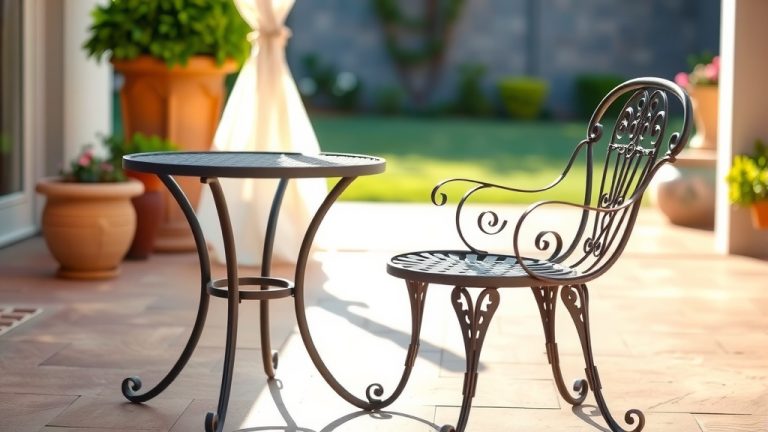
How To Restore Cast Iron Patio Furniture?
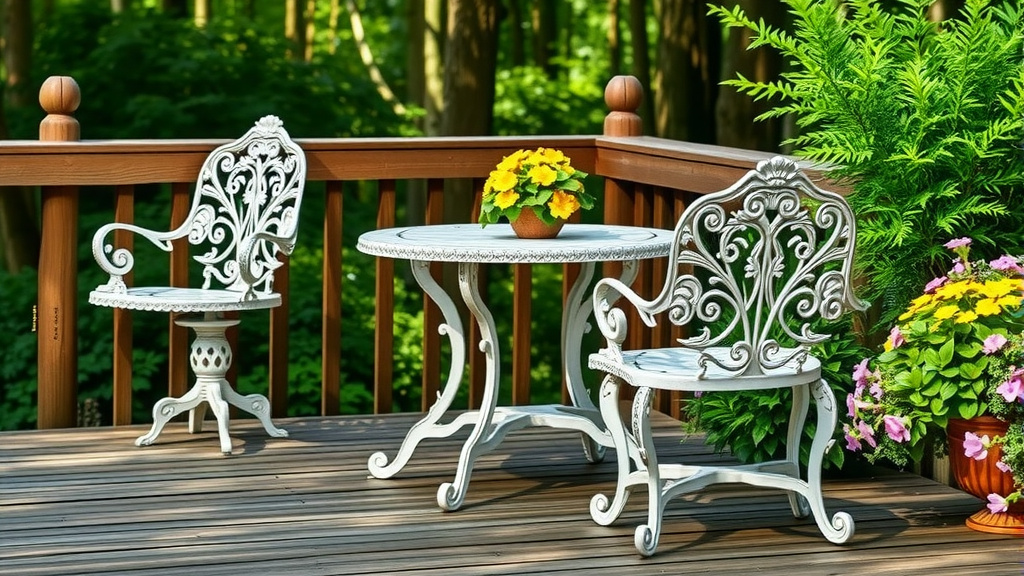
To restore cast iron patio furniture, you’ll generally need to clean it thoroughly, remove any rust, apply a rust-inhibiting primer, and then finish it with durable outdoor paint.
This process protects the metal from further corrosion and brings back its original beauty, giving your cast iron patio furniture a new lease on life.
Here’s a quick look at what we’ll cover to help you restore your furniture:
- First, assess the condition of your cast iron pieces.
- Gather the right tools and prioritize safety before you begin.
- Learn effective cleaning methods to remove dirt and grime.
- Discover various techniques for tackling stubborn rust spots.
- Understand how to properly prime and paint for lasting protection.
- Get tips on maintaining your restored furniture for years to come.
How To Restore Cast Iron Patio Furniture?
Restoring cast iron patio furniture involves careful steps like cleaning, rust removal, priming, and painting to bring old pieces back to life.
This detailed guide will walk you through each stage, helping you achieve a professional-looking finish right in your own backyard.
Is Your Furniture a Restoration Candidate?
Before diving in, take a good look at your cast iron furniture. Is it just dusty and dull, or are there significant rust patches and flaky paint?
Even heavily rusted items can often be saved, but assessing the damage helps you prepare for the task ahead.
Quick Condition Check
Gently tap the metal in different spots. Does it feel solid, or do you hear hollow or weak sounds?
Solid, heavy pieces are usually excellent candidates for restoration, even with considerable rust (Outdoor Living Magazine).
Safety First: Gear Up!
Working with rust and paint requires some precautions. We found that investing in proper safety gear makes the whole process smoother and safer for you.
Think of it like getting ready for a garden project; you wouldn’t forget your gloves, right?
- Eye Protection: Always wear safety goggles to shield your eyes from debris, dust, and chemicals.
- Gloves: Sturdy work gloves protect your hands from sharp edges, rust, and paint.
- Mask: A dust mask or respirator is key when sanding or using chemical removers and spray paint.
- Work Area: Choose a well-ventilated outdoor spot or open garage door to ensure good airflow.
Gathering Your Restoration Toolkit
Having the right tools makes all the difference. It’s like baking a cake; you need the correct ingredients and utensils.
Many experts suggest laying out everything before you start saves time and frustration (DIY Network).
Essential Tools You’ll Need
You’ll want items for cleaning, rust removal, and painting. Don’t forget drop cloths to protect your surroundings.
A power washer, if available, can really speed up the initial cleaning phase.
The All-Important Cleaning Phase
Before any rust removal or painting, your furniture needs a deep clean. Think of it as preparing a canvas before painting a masterpiece.
This step removes dirt, grime, and loose paint, ensuring your new finish adheres properly.
Scrubbing Away the Grime
Use a stiff brush, warm water, and a mild detergent. For tougher grime, a pressure washer on a low setting can work wonders.
Rinse everything thoroughly and let it dry completely before moving on. Moisture is rust’s best friend!
Tackling the Rust: Your Options
Rust is the biggest enemy of cast iron. You have a few ways to fight it, depending on how severe the corrosion is.
The goal is to get down to clean, bare metal where possible, creating a strong foundation.
Manual Rust Removal: Brushing and Sanding
For light to moderate rust, a wire brush or sandpaper (medium to fine grit) works well. You can use a wire brush attachment on a drill for larger areas.
This method is labor-intensive but effective for many pieces.
Chemical Rust Removers
These products dissolve rust, making it easier to wipe away. Always follow the manufacturer’s instructions carefully.
Remember to wear protective gear, as these chemicals can be strong (OSHA guidelines on chemical handling).
Electrolysis: The Deep Clean for Serious Rust
For furniture covered in heavy, stubborn rust, electrolysis can be a game-changer. It’s a bit more involved, but the results can be amazing.
This process uses electricity to convert rust back into iron, making it easy to brush off. We found this method requires a tub, water, washing soda, and a battery charger.
The Primer: Your Furniture’s Shield
Once the cast iron is clean and rust-free, applying a rust-inhibiting primer is a non-negotiable step.
This primer acts as a protective barrier and helps the topcoat paint stick better, preventing rust from returning.
Choosing the Right Primer
Look for an oil-based, rust-inhibiting metal primer. Many experts agree that this type offers the best adhesion and protection for cast iron (Consumer Reports).
Apply it evenly in thin coats, following the product’s drying times.
Painting for Protection and Beauty
Now for the fun part! Painting brings your furniture back to life with color and provides the final layer of protection.
Think about the overall look you want for your patio space.
Selecting the Perfect Paint
Opt for an exterior-grade, oil-based metal paint or a specialized spray paint for metal. These are designed to withstand outdoor elements.
Many experts often recommend spray paint for intricate cast iron designs, as it offers a smooth, even finish.
| Paint Type | Pros | Cons |
|---|---|---|
| Brush-On Oil-Based | Durable, thick coat, good for touch-ups | Can leave brush strokes, slower application |
| Spray Paint (Metal) | Even coverage, great for details, faster | Needs good ventilation, potential for drips if over-applied |
Applying the Paint
Apply several thin, even coats rather than one thick one. Thin coats dry faster and are less likely to drip or chip.
Follow the recoat times listed on your paint can. Patience here truly pays off.
Drying and Curing: Don’t Rush It!
After painting, it’s tempting to put your furniture right back outside. But waiting is key.
Paint needs time to not just dry to the touch but also to “cure,” reaching its full hardness and durability.
Allowing Ample Time
Most paints require several days, sometimes even a week or more, to fully cure. Keep the furniture in a protected, dry area during this time.
Many paint manufacturers suggest avoiding heavy use until the curing process is complete.
Maintaining Your Beautifully Restored Cast Iron
Your hard work isn’t over once the paint dries. Regular maintenance will keep your cast iron patio furniture looking fantastic for years.
Think of it as routine care, like watering your plants.
Simple Maintenance Checklist
- Wipe down your furniture regularly with a damp cloth to remove dirt and pollen.
- Inspect for any chips or scratches, and touch them up promptly to prevent rust.
- Consider covering your furniture during harsh weather or off-season months.
- Avoid harsh chemical cleaners; a mild soap and water solution is usually enough.
- Store cushions indoors to prevent mold and mildew.
When to Call a Professional
While DIY restoration is rewarding, some projects might be better left to the pros. For extremely valuable antique pieces or deeply corroded items needing sandblasting, consider professional help.
Many experts agree that pros have specialized equipment and experience for complex restorations (Restoration Hardware).
Conclusion
Restoring your cast iron patio furniture is a rewarding project that extends the life and beauty of your outdoor pieces.
By following these steps – from careful cleaning and rust removal to proper priming and painting – you can transform old, worn furniture into cherished heirlooms.
It takes a bit of elbow grease and patience, but the satisfaction of seeing your revitalized furniture will be well worth the effort.
Frequently Asked Questions About Cast Iron Furniture Restoration
How do I prevent rust from returning to my cast iron furniture?
To prevent rust, always ensure the cast iron is completely clean and dry before applying a rust-inhibiting primer and at least two coats of exterior-grade paint. Regular cleaning, prompt touch-ups of any chips, and covering your furniture during inclement weather also help immensely.
Can I restore cast iron furniture without using harsh chemicals?
Yes, for lighter rust, you can use manual methods like wire brushing, sanding, or even natural rust removers like vinegar or lemon juice and salt. However, for severe rust, a chemical rust remover or electrolysis might be more efficient and necessary.
What kind of paint is best for cast iron patio furniture?
An exterior-grade, oil-based metal paint or a specialized spray paint formulated for outdoor metal use is best. These paints provide excellent durability, weather resistance, and adhesion to cast iron, ensuring a long-lasting finish.
How long does the restoration process typically take?
The timeline varies depending on the furniture’s condition, the number of pieces, and drying times between coats. Expect anywhere from a weekend for a single, lightly rusted chair to several weeks for a full, heavily corroded dining set, including proper paint curing time.
Is it worth restoring very old or antique cast iron furniture?
Absolutely! Restoring old or antique cast iron furniture not only preserves a piece of history but can also significantly increase its aesthetic and monetary value. Many consider these pieces to be of higher quality and more unique than modern alternatives.