
How To Care For Wrought Iron Patio Furniture?
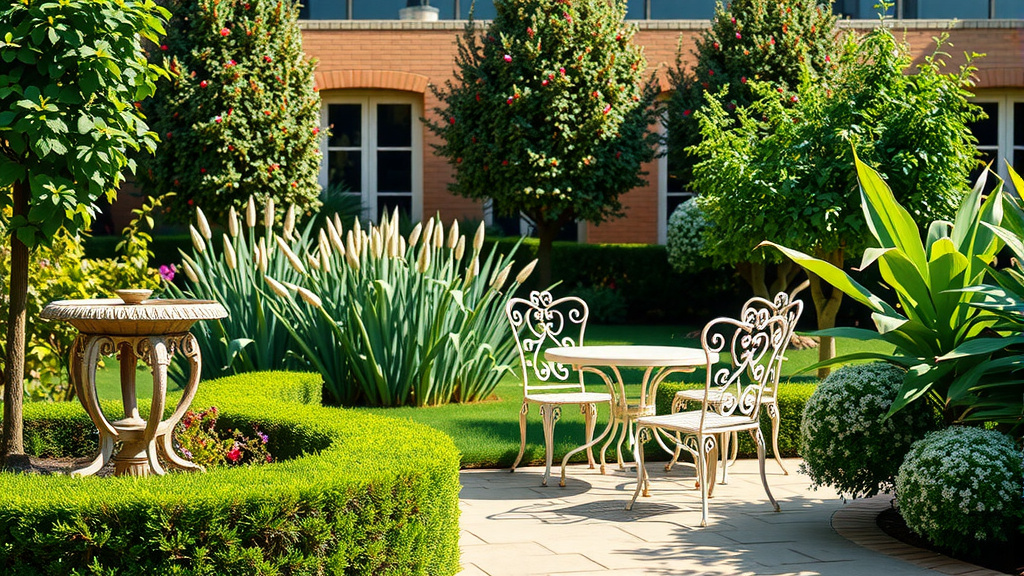
Caring for wrought iron patio furniture involves regular cleaning with mild soap and water, promptly addressing rust spots, and applying protective paint or sealant.
To keep your wrought iron looking its best, you should also store it properly during harsh weather and conduct periodic inspections for wear and tear.
- Keep your wrought iron furniture clean with gentle soap and water.
- Act fast when you see rust; sanding and priming can help.
- Protect the metal with a fresh coat of paint or a sealant.
- Store your furniture away from the elements when not in use.
- Regular checks help catch small problems before they grow.
How To Care For Wrought Iron Patio Furniture?
You care for wrought iron patio furniture by cleaning it often, protecting it from moisture, and fixing rust as soon as it appears. This keeps it strong and beautiful for many years.
Why Choose Wrought Iron Anyway?
Think about your patio furniture. Does it stand up to everything? Wrought iron does, and that’s why many homeowners love it.
It brings a classic, timeless beauty to any outdoor space. This furniture style often feels very solid and grand.
Beyond looks, wrought iron is incredibly sturdy. We found that it can last for decades, even generations, with the right attention (Maintenance Guidelines).
It handles tough weather well, from strong winds to bright sun. You get furniture that truly endures.
The Basics of Keeping It Clean
Keeping your wrought iron clean is the easiest step to long-term enjoyment. Think of it like brushing your teeth for your patio set.
Simple Soap and Water Cleaning
You should clean your wrought iron furniture regularly. A quick wash prevents dirt and grime from building up and causing issues.
Mix warm water with a mild dish soap. Dip a soft cloth or sponge into this solution. Wipe down all surfaces of your furniture.
After cleaning, rinse the furniture thoroughly with clear water. Make sure to dry it completely to avoid any new rust spots. A clean, dry towel works well here.
Tackling Stubborn Grime
Sometimes, dirt gets really stuck. Don’t worry, you can handle it. For tougher spots, a slightly stronger approach is okay.
You might try a mix of white vinegar and water. Use equal parts for a gentle but effective cleaner. Apply it with a soft brush, like a nylon scrub brush.
Always test any stronger solution in an inconspicuous area first. We found this practice prevents accidental damage to your finish (Home Care Research).
Rinse well and dry quickly after scrubbing away the grime. This stops new problems from forming.
Winning the War Against Rust
Rust is the archenemy of wrought iron. But you have many tools to fight it. Catching it early makes a big difference.
Spotting Rust Early On
Rust often starts small, like a tiny freckle. Look for orange or brownish spots on the metal surface. Pay close attention to joints and welds.
Inspecting your furniture a few times a year is a smart habit. This helps you catch rust before it spreads and becomes a bigger job.
Removing Existing Rust
Once you find rust, you need to remove it. You have a few options, depending on how bad the rust is.
For light rust, use a wire brush or steel wool to gently scrub it away. You can also use fine-grit sandpaper.
For tougher rust, a drill attachment with a wire brush head can speed things up. Always wear safety glasses and gloves when doing this.
After removing rust, clean the area thoroughly. Then, dry it completely and prepare it for a protective coat.
| Rust Level | Recommended Removal Method | Important Tips |
|---|---|---|
| Light Surface Rust | Wire brush, steel wool, fine sandpaper | Scrub gently, clean dust after. |
| Moderate Rust Spots | Medium-grit sandpaper, rust converter | Apply converter per instructions, wear gloves. |
| Heavy Flaking Rust | Power wire brush, angle grinder, rust stripper | Use safety gear, work in well-ventilated area. |
Preventing Rust with Paint and Sealants
After removing rust, you must protect the metal. This is like putting a shield on your furniture. It keeps new rust from forming.
Use a rust-inhibiting primer first. This creates a strong base for your paint. Many experts say this step is important for lasting protection (Industry Standards).
Follow up with an outdoor-grade metal paint or clear sealant. These coatings form a barrier against moisture and air.
Reapply these protective layers every few years, or as needed. You’ll notice when the old coating starts to wear thin.
Painting and Refinishing for a Fresh Look
Want to give your wrought iron a complete makeover? Painting it is a great way to renew its appearance and boost its protection.
Preparing for a Paint Job
Good preparation means a good paint job. You wouldn’t paint over a dirty wall, right? The same goes for your furniture.
First, clean the furniture thoroughly, just like you would for basic cleaning. Remove all dirt, grease, and loose rust. A clean surface helps the paint stick.
Lightly sand the entire piece with fine-grit sandpaper. This creates a slightly rough surface that paint loves. Then, wipe off any sanding dust.
Apply a metal-specific primer designed for outdoor use. This step is not optional if you want the paint to last. It truly helps.
Applying New Paint
Once primed, you’re ready for the fun part. Choose a paint specifically for outdoor metal surfaces. Look for formulations that resist rust.
Apply several light coats of paint rather than one thick one. This prevents drips and gives a smoother, more durable finish. Let each coat dry fully.
Spray paint is often easiest for wrought iron’s curves and details. Just ensure you work in a well-ventilated area and protect surrounding surfaces.
Smart Storage for Off-Season
When winter arrives, or if you won’t use your furniture for a while, storing it properly extends its life. This is especially true for wrought iron.
Always clean and dry your furniture completely before storage. Any trapped moisture can invite rust during its downtime.
Consider using breathable furniture covers. These protect from dust and dampness but still allow air to circulate. A tarp might trap moisture, which is not ideal.
Store your wrought iron in a dry, sheltered location. A garage, shed, or covered patio works well. Keeping it out of direct rain and snow is important.
Common Mistakes to Avoid
You might mean well, but some actions can actually harm your wrought iron. Let’s look at what to skip.
- Leaving rust untreated: Ignoring rust allows it to spread rapidly and weaken the metal. It’s a bit like ignoring a small leak in your roof.
- Not cleaning regularly: Dirt and debris can hold moisture against the metal. This makes rust much more likely to start.
- Using harsh chemicals: Abrasive cleaners or strong chemical solutions can damage the protective finish. Many experts say sticking to mild soap is best (Cleaning Association Tips).
- Storing uncovered outdoors: Direct exposure to rain, snow, and extreme temperatures will quickly degrade your furniture.
Your Wrought Iron Care Checklist
Here’s a quick summary to guide your care routine. Think of this as your easy maintenance plan.
- Regularly wipe down furniture with soap and water.
- Promptly inspect for and treat any rust spots.
- Keep the protective paint or sealant in good condition.
- Store your furniture in a dry, covered area during off-seasons.
- Reapply protective coatings every few years or as needed.
Conclusion
Taking care of your wrought iron patio furniture is not a chore; it’s an investment. By following these practical steps, you ensure its durability and beauty. From simple cleaning to serious rust management, you have the knowledge to keep your pieces looking fantastic for many seasons. Your outdoor space deserves furniture that not only looks great but also stands the test of time, and with a little effort, your wrought iron will do just that. Enjoy your beautiful, well-maintained patio!
How often should I clean my wrought iron furniture?
You should aim to clean your wrought iron furniture every few weeks during peak use seasons. A more thorough cleaning once or twice a year, before and after storage, is also highly recommended.
Can I leave my wrought iron furniture outside all winter?
While wrought iron is durable, leaving it uncovered in harsh winter conditions is not ideal. Snow, ice, and constant moisture can speed up rust formation. It’s much better to clean it, cover it, and store it in a sheltered area if possible.
What kind of paint is best for wrought iron?
When repainting, choose a paint specifically formulated for outdoor metal use. Look for “rust-inhibiting” or “direct to metal” paints. Many available options are acrylic or oil-based and offer excellent weather resistance.
How do I prevent new rust after removing old rust?
After removing rust, you absolutely need to clean the area thoroughly, prime it with a rust-inhibiting primer, and then apply several coats of outdoor-grade metal paint or a clear sealant. This forms a protective barrier against moisture.
Are there eco-friendly ways to clean wrought iron?
Yes, you can use several eco-friendly methods. A mixture of white vinegar and water is a natural cleaning solution for general dirt. For light rust, baking soda paste can also work as a mild abrasive. Always rinse well with plain water afterwards.
