
Can You Leave Patio Furniture Outside In The Rain?
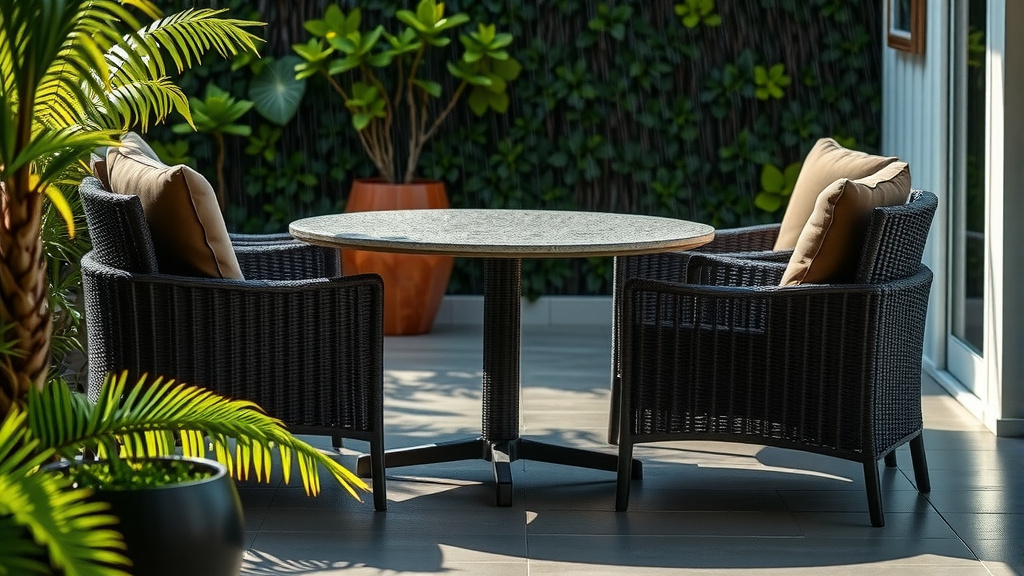
Leaving patio furniture outside in the rain depends heavily on its material; some types are quite resilient, while others can suffer significant damage quickly.
Generally, you can leave durable materials like aluminum and plastic out, but softer woods, unprotected steel, and cushions need protection or to be brought indoors.
- It’s okay to leave some furniture out, but not all of it.
- Different materials react to rain in unique ways.
- Protection like covers or storage is often the safest choice.
- Ignoring rain can cause rust, rot, mold, and fading.
- Regular care helps any outdoor furniture last longer.
Can You Leave Patio Furniture Outside In The Rain?
It’s a common question when the skies open up, isn’t it? The simple answer is: it depends entirely on what your patio furniture is made of and how much you care about its longevity.
While some materials can shrug off a downpour, others will quickly show signs of wear and tear, costing you money and time in repairs or replacements.
Why Is Rain Such a Big Deal for Outdoor Furniture?
You might think a little water is harmless, but rain brings more than just moisture. It carries dirt, pollutants, and can lead to a host of problems for your outdoor items.
Over time, consistent exposure to the elements can severely shorten the life of even the most robust pieces. We all want our outdoor spaces to look great, right?
Understanding Your Furniture’s Materials
Knowing what your furniture is made from is your first step in protecting it. Each material has its own strengths and weaknesses when faced with a rainy day.
Let’s look at the most common types you might have on your patio and how they handle moisture.
Aluminum Furniture and Rain
Aluminum is a fantastic choice for outdoor settings. It’s naturally resistant to rust, making it one of the best options for rainy climates.
You can generally leave aluminum furniture outside without much worry, though prolonged wetness might still cause some superficial issues like water spots.
Wrought Iron and Steel: Rust Concerns
These materials are sturdy but can be quite vulnerable to rain. Iron and steel will rust if not properly treated or maintained.
Even with powder coating, scratches can expose the metal, allowing rust to take hold. Many experts say that protecting these pieces from direct rain is a smart move (National Institute of Standards and Technology).
Wood Furniture and Moisture Damage
Ah, beautiful wood! But rain can be its enemy. Untreated or poorly sealed wood can absorb water, leading to warping, cracking, and rot.
Teak, cedar, and redwood are more naturally resistant due to their oils, but even these benefit greatly from protection during heavy rains.
Wicker Furniture: Natural vs. Synthetic
When we talk about wicker, we need to clarify. Natural wicker (like rattan) suffers in rain, becoming brittle and prone to mold.
Synthetic wicker, often made from resin or plastic, is much more water-resistant and can typically be left out in the rain without serious damage.
Plastic and Resin: Generally Resilient
These materials are usually very forgiving in wet weather. They don’t rust or rot and are generally easy to clean after a storm.
However, long-term sun exposure can make them brittle and fade their color, so rain isn’t their only concern.
Fabric Cushions and Upholstery
Most patio cushions are designed with some water resistance, but they are rarely waterproof. They can become saturated, leading to mildew and unpleasant odors.
It’s almost always best to bring cushions indoors or store them in a waterproof box when rain is expected.
Material Rain Resistance Comparison
Here’s a quick overview to help you decide what needs the most attention.
| Material Type | Rain Resistance | Common Issues | Recommendation |
|---|---|---|---|
| Aluminum | Excellent | Water spots, minor dirt | Usually fine to leave out |
| Wrought Iron/Steel | Poor (if unprotected) | Rust, corrosion | Cover or store |
| Wood (treated) | Moderate | Warping, rot, mold | Cover or store for heavy rain |
| Wood (untreated) | Very Poor | Severe warping, rot, cracking | Store indoors |
| Synthetic Wicker | Good | Minor dirt, sun fading | Can typically be left out |
| Natural Wicker | Poor | Brittleness, mold | Store indoors |
| Plastic/Resin | Excellent | Sun fading, becoming brittle | Usually fine to leave out |
| Fabric Cushions | Poor | Mildew, odors, fading | Always bring indoors or cover |
What Happens When Rain Hits Your Furniture?
Let’s dive a little deeper into the specific kinds of damage rain can inflict. Understanding these helps you see why protection is so important.
It’s more than just getting wet; it’s about the long-term integrity of your outdoor items.
Damage from Rust and Corrosion
Metals like steel and iron react with water and oxygen to form rust. This weakens the structure and looks terrible.
Once rust starts, it’s a constant battle to keep it from spreading and destroying your furniture.
Damage from Mold and Mildew Growth
Moisture and warmth are a perfect breeding ground for mold and mildew. These fungi can grow on fabrics, wood, and even in the crevices of other materials.
They cause discoloration, unpleasant smells, and can even damage the material’s fibers (Mayo Clinic).
Damage from Wood Rot and Warping
Wood is organic, and prolonged dampness will cause it to rot. This means the wood breaks down and loses its strength. Also, repeated wetting and drying cycles can cause wood to warp and crack, ruining its shape and stability.
Damage from Fading and UV Degradation
While rain itself doesn’t cause fading, it often comes with sunshine. The combination of moisture and UV rays can accelerate the breakdown of dyes and materials.
Your beautiful, vibrant cushions can quickly turn dull and lifeless. Protecting from both sun and rain is key to keeping colors bright.
Smart Strategies for Rainy Days
You don’t have to panic every time a cloud appears. There are many easy ways to protect your patio furniture.
A little preparation goes a long way in preserving your investment and keeping your outdoor living space inviting.
Covering Your Furniture Properly
A good furniture cover is your best friend against the rain. Look for covers that are waterproof, UV-resistant, and have vents to prevent moisture buildup underneath.
Ensure they fit snugly but allow for some airflow to keep things dry. We found that breathable covers are essential to avoid condensation (Good Housekeeping Institute).
Storage Solutions When Rain Strikes
For smaller items like cushions, decorative pillows, or even lightweight chairs, a waterproof storage box or chest is incredibly useful. You can also move them to a covered porch, garage, or shed.
This keeps them completely dry and ready for use when the sun returns. It’s an easy way to extend the life of your fabrics.
Understanding Water-Resistant vs. Waterproof
It’s important to know the difference. “Water-resistant” means it can handle some splashes or light rain before water soaks through.
“Waterproof” means it’s designed to repel water completely, even in heavy downpours. Always choose waterproof for critical protection.
Regular Cleaning and Maintenance
Keeping your furniture clean helps it withstand the elements better. Regularly wipe down surfaces to remove dirt and debris.
For wood, reapply sealant as needed. For metals, touch up paint or protective coatings to prevent rust from starting. This proactive approach saves you hassle later.
Here’s a quick checklist to prepare for unexpected downpours:
- Check weather forecasts regularly.
- Have furniture covers easily accessible.
- Clear a space for quick storage of cushions.
- Ensure covers are free of tears or holes.
- Consider adding a waterproofing spray to fabrics.
When It’s Best to Bring Things Inside
Sometimes, even with covers, it’s simply better to bring certain items indoors. This is especially true for prolonged periods of heavy rain or winter months.
Delicate items, antiques, or furniture made of untreated natural materials are always safer tucked away from the elements. Trust your gut; if it looks like a big storm, don’t risk leaving things out.
Making Smart Choices for Your Patio
When buying new furniture, think about your local climate. If you live in a rainy region, investing in materials like aluminum or synthetic wicker might be a better choice for convenience.
Many experts we found recommend choosing materials that are inherently weather-resistant if you plan on leaving items out frequently.
Conclusion
So, can you leave patio furniture outside in the rain? The answer isn’t a simple yes or no. It really hinges on your furniture’s material and your willingness to protect it.
By understanding how different materials react to moisture and implementing smart protection strategies, you can ensure your outdoor furniture stays beautiful and functional for many seasons to come. A little effort can save you a lot of headache and expense.
Can all outdoor furniture withstand heavy rain?
No, not all outdoor furniture is made to handle heavy rain. While materials like aluminum and plastic are generally fine, wood can warp, and steel can rust. Cushions almost always need protection from heavy downpours.
What is the most rain-resistant patio furniture material?
Aluminum is widely considered the most rain-resistant material for patio furniture because it does not rust. High-quality synthetic resin wicker and marine-grade polymer are also excellent choices.
How do I protect my patio furniture from rust in the rain?
To protect against rust, ensure metal furniture has a durable powder-coated finish. For existing pieces, consider rust-inhibiting paints or waxes. The best method is to use waterproof covers or store items in a dry place when rain is expected.
Will rain damage outdoor cushions that are “water-resistant”?
Water-resistant cushions can repel light moisture, but they are not fully waterproof. Heavy or prolonged rain will likely soak them, leading to mildew, fading, and deterioration over time. It’s always best to bring them inside or use a waterproof storage box.
Is it better to cover furniture or bring it indoors during winter rain?
For winter rain, bringing furniture indoors or into a sheltered area like a garage or shed is generally better. This provides the most protection from constant moisture, freezing temperatures, and strong winds, extending the furniture’s lifespan significantly.
