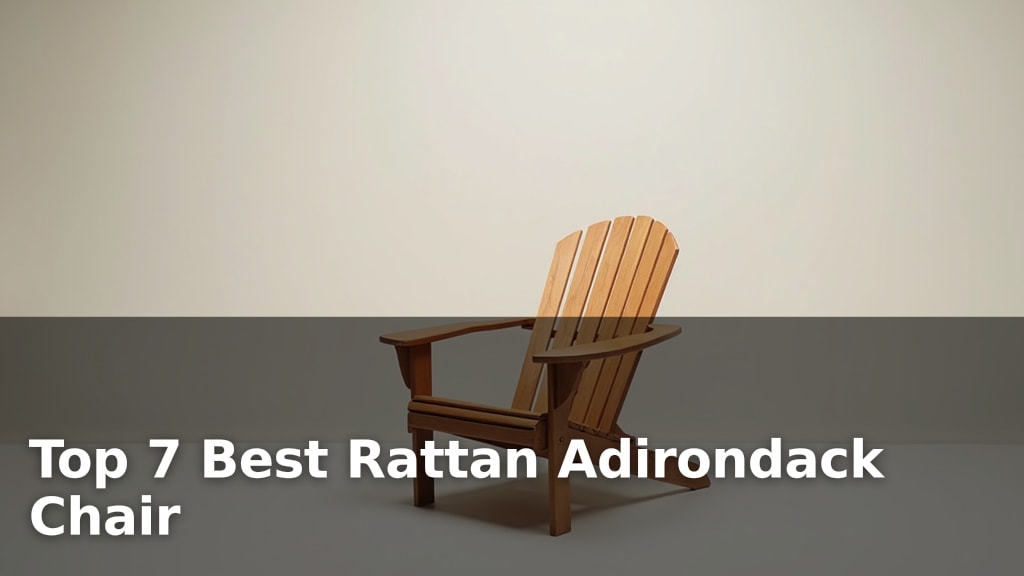
How To Treat Wooden Patio Furniture?
To treat wooden patio furniture effectively, first clean it thoroughly, then sand any rough spots, and finally apply a protective finish like a stain, sealant, or outdoor furniture oil. This process revitalizes the wood and shields it from weather damage.
Regular maintenance, including seasonal cleaning and reapplication of protective treatments, is key to preserving the beauty and extending the lifespan of your wooden patio furniture. Choosing the right treatment depends on your wood type and desired look.
Here’s a quick overview of how to treat your wooden patio furniture:
- Clean your furniture deeply to remove grime and mildew.
- Sand gently to smooth surfaces and prepare the wood.
- Apply a suitable protective finish, such as oil, stain, or sealant.
- Maintain regularly with light cleaning and annual re-treatments.
- Store indoors or cover during harsh weather for best results.
How To Treat Wooden Patio Furniture?
Treating wooden patio furniture involves cleaning, prepping, and applying a protective finish. This care routine helps your outdoor pieces withstand the elements and look great for many seasons.
Do you remember that beautiful wooden chair you bought? It probably looked stunning. Over time, sunlight and rain can take a toll. But don’t worry, giving your wooden furniture a little TLC is easier than you might think!
Why Does Wood Furniture Need Treatment?
Think of your wooden patio furniture as needing a superhero suit. Outdoors, it faces sun, rain, and humidity daily. Without protection, wood can fade, crack, or even rot.
The sun’s UV rays can strip away natural oils and color. Moisture leads to mildew and decay. Proper treatment forms a barrier, keeping your furniture strong and beautiful (USDA Forest Products Laboratory).
Understanding Your Wood Type
Before treating, identify your wood. Is it a dense hardwood like teak or eucalyptus? Or a softer wood like cedar or pine? Different woods react differently to treatments.
Teak, for instance, has natural oils. It often needs less heavy-duty protection than pine, which is more porous. Knowing your wood helps you pick the best treatment method.
Step 1: The Big Clean-Up – Preparing Your Furniture
Before applying anything new, your furniture needs a good bath. This step is non-negotiable for lasting results. Imagine painting a dirty wall – it just won’t stick well!
Start by wiping off loose dirt with a cloth. Then, use a gentle cleaner formulated for outdoor wood or a mix of mild soap and water. Scrub gently with a soft brush or sponge.
For stubborn grime or mildew, a special wood cleaner might be needed. Many experts say a diluted bleach solution works for mildew, but rinse very well afterward (Cleveland Clinic advises caution with bleach around plants).
Rinsing and Drying Thoroughly
After cleaning, rinse your furniture completely with a hose. Make sure no soapy residue remains. Then, let it dry fully. This can take a day or two, especially in humid weather. Patience is key here.
Step 2: Sanding for Smoothness and Adhesion
Once dry, check for rough spots or splinters. A light sanding will make the surface smooth and help your chosen finish adhere better. It’s like exfoliating your skin before moisturizing.
Use fine-grit sandpaper, around 120-220 grit. Sand with the grain of the wood, not against it. Don’t press too hard. Just a gentle pass is often enough to remove imperfections and old finishes.
After sanding, wipe down the furniture with a tack cloth or a damp cloth to remove all dust. You want a clean, smooth canvas for the next step.
Step 3: Choosing Your Treatment – Oil, Stain, or Sealant?
This is where you decide on the look and level of protection. Each option has its own benefits. We found that personal preference plays a big role here.
Here’s a quick comparison:
| Treatment Type | Benefits | Considerations | Maintenance Frequency |
|---|---|---|---|
| Wood Oil | Enhances natural grain, nourishes wood, prevents drying. | Needs reapplication more often, offers less UV protection than stain. | Every 6-12 months |
| Wood Stain | Adds color, offers good UV protection, can cover blemishes. | Can hide natural grain, may peel if not prepped well. | Every 1-3 years |
| Clear Sealant | Strong weather barrier, UV protection, minimal color change. | Can sometimes look “plasticky,” may chip or peel over time. | Every 1-2 years |
Applying Wood Oil
Wood oil penetrates the wood, nourishing it from within. It’s excellent for dense woods like teak. Apply with a brush or rag, wiping off excess after about 15-30 minutes. Repeat for best absorption.
Using a Wood Stain
Stains color the wood and often include UV blockers. Apply thinly with a brush or pad, moving with the grain. Some stains require a second coat after drying. Always follow the product instructions for optimal color and protection.
Sealing with a Clear Protector
A clear sealant creates a protective film on the surface. These are great for general weatherproofing. Apply evenly with a brush or sprayer. Two thin coats are usually better than one thick coat for better adhesion and durability.
Step 4: The Finishing Touch – Drying and Curing
Once your chosen treatment is applied, let it dry completely. This isn’t just about being dry to the touch; it needs to “cure.” Curing is when the finish hardens to its maximum strength.
The curing time varies by product, so always read the label. During this period, avoid heavy use or exposure to rain. Imagine baking a cake – you wouldn’t eat it before it cools, right?
Ongoing Care and Maintenance Checklist
Your work isn’t done after the first treatment! Regular care keeps your furniture looking its best. Think of it as a continuing relationship, not a one-time fling.
- Wipe down your furniture weekly to prevent dirt buildup.
- Reapply wood oil every 6-12 months for a fresh look.
- Inspect for wear and tear annually, especially before winter.
- Clean minor spills immediately to prevent staining.
- Cover or store furniture during extreme weather conditions.
Dealing with Specific Wood Types
We found that some woods have unique needs. Teak, for example, can be left untreated to develop a beautiful silver-gray patina. If you prefer the original golden color, you’ll need to oil it regularly (Many experts recommend teak oil).
Eucalyptus and acacia wood are also popular and durable. They benefit greatly from a sealant or stain to maintain their color and resist cracking. Cedar, naturally bug-resistant, still appreciates a protective finish to prevent fading.
When to Reapply Treatments
How often should you retreat? It depends on the weather, how much sun your furniture gets, and the product you used. If water no longer beads on the surface, or the wood looks faded and dry, it’s likely time for a reapplication.
It’s always better to reapply a little early than to wait until the wood is severely damaged. A little yearly maintenance goes a long way to protect your outdoor investment.
Conclusion
Treating your wooden patio furniture is a rewarding process that significantly extends its life and beauty. By cleaning, preparing, and applying the right protective finish, you’re not just maintaining furniture; you’re preserving your outdoor sanctuary.
Remember, a little effort goes a long way. Consistent care ensures your wooden pieces remain a welcoming part of your outdoor living space for many years to come. So go ahead, give your furniture the care it deserves!
How often should I treat my wooden patio furniture?
You should generally treat your wooden patio furniture once a year, usually in the spring or fall. However, high-traffic pieces or furniture exposed to harsh weather might need re-treatment every six months. Always check the wood’s appearance; if it looks dry or faded, it’s time for a touch-up.
Can I paint my wooden patio furniture instead of oiling or staining it?
Yes, you can certainly paint your wooden patio furniture! Painting offers a durable, opaque finish and allows for many color choices. Just make sure to use an outdoor-grade paint, and always prime the wood first for best adhesion and a long-lasting result.
What’s the best way to clean mildew off wooden patio furniture?
To clean mildew, mix one part white vinegar or a mild bleach solution (one part bleach to ten parts water) with water. Spray the solution on the mildewed areas, let it sit for 15-20 minutes, then scrub gently with a soft brush. Rinse thoroughly with clean water and let it dry completely in the sun.
Is it okay to leave wooden patio furniture out all winter?
While some extremely durable woods like teak can tolerate winter exposure, it’s generally best to protect all wooden patio furniture during the colder months. Store it in a garage or shed, or cover it with a breathable, waterproof cover. This prevents moisture damage, warping, and extends its lifespan.
What if my wooden furniture has cracks or splits?
Small cracks or splits are common in wood exposed to weather. For minor issues, you can sand the area smooth and then apply wood filler before re-treating. For larger structural cracks, consider consulting a furniture repair expert or carefully using a strong outdoor wood epoxy to prevent further damage.