How To Repaint Aluminum Patio Furniture?
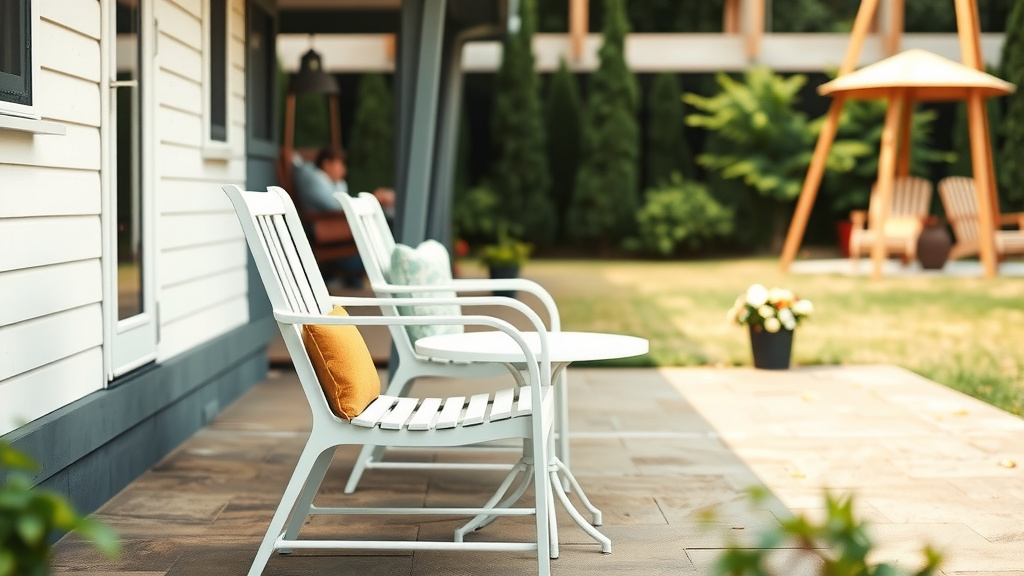
To repaint aluminum patio furniture, clean it thoroughly, sand lightly for adhesion, prime with an appropriate metal primer, then apply several thin coats of outdoor-grade spray paint or brush-on paint designed for metal.
Proper preparation, including degreasing and ensuring a smooth surface, is crucial for a durable and beautiful finish on your aluminum patio furniture.
- Get ready to refresh your aluminum patio furniture by cleaning it well.
- Lightly sand the surface to help the new paint stick.
- Apply a rust-inhibiting primer made for metal.
- Finish with thin, even coats of durable outdoor paint.
- Protect your freshly painted pieces for lasting beauty.
Is your once-vibrant aluminum patio furniture starting to look a little tired? Maybe the color is faded, or perhaps there are some unsightly chips and scratches. Don’t worry, you don’t need to buy new furniture! Giving your existing pieces a fresh coat of paint is a fantastic way to revitalize your outdoor space.
It’s a rewarding DIY project that can save you money and extend the life of your furniture. Imagine your patio shining with a brand-new look. Ready to dive in and transform your outdoor oasis? Let’s get started!
How To Repaint Aluminum Patio Furniture?
Repainting aluminum patio furniture involves a series of careful steps: cleaning, sanding, priming, and painting. Each stage is important to ensure a long-lasting, beautiful finish. We found that skipping steps often leads to quick peeling or flaking.
Gather Your Supplies
Before you begin, gather everything you’ll need. This saves time and keeps your project moving smoothly. Having the right tools makes all the difference in achieving a professional-looking result.
Essential Tools and Materials Checklist
- Safety glasses and gloves
- Drop cloths or plastic sheeting
- Stiff brush or scrub pad
- Mild detergent (dish soap works well)
- Degreaser or mineral spirits
- Fine-grit sandpaper (220-grit) or sanding block
- Metal-specific primer (etching primer for aluminum is best)
- Outdoor-grade spray paint or brush-on paint for metal
- Painter’s tape (optional, for masking)
- Clean cloths or rags
- Small wire brush (for tough spots)
Choose the Right Day
Picking the perfect day for your project is surprisingly important. Many experts say that painting on a calm, dry day with moderate temperatures (between 50-85°F or 10-30°C) helps the paint cure properly. Avoid windy days to prevent dust and debris from sticking.
Preparation: The Foundation of Success
Think of preparation as laying the groundwork for a sturdy house. If the foundation isn’t solid, the house won’t last. The same goes for repainting your furniture. This is where most of the hard work happens, but it truly pays off.
Clean Your Furniture Thoroughly
First, remove cushions and anything detachable. Then, give your furniture a deep clean. Use a stiff brush or scrub pad with a mild detergent and water to remove dirt, grime, and mildew. We found that a good scrub prevents future paint adhesion problems.
Rinse the furniture completely with a hose, making sure no soap residue remains. Allow it to dry fully in the sun. Any moisture trapped underneath will cause bubbles or peeling later, as many painting guides emphasize.
Degrease the Surface
Aluminum often has an invisible oily film from handling or manufacturing. This film can stop paint from sticking well. Use a degreaser or mineral spirits on a clean cloth to wipe down all surfaces. This step is vital for paint adhesion (paint manufacturers’ instructions often highlight this).
Lightly Sand for Better Adhesion
Once dry and degreased, it’s time for a light sanding. Use fine-grit sandpaper (around 220-grit) or a sanding block. You’re not trying to remove all the old paint, just scuffing the surface. This creates a slightly rough texture for the primer to grip onto.
Pay extra attention to any chipped or flaking areas. Smooth them out as much as possible. After sanding, wipe down the furniture with a clean, damp cloth to remove all dust, then let it dry again.
Priming: Your Paint’s Best Friend
Primer is like a bridge between the aluminum and the topcoat of paint. It helps the paint stick better, offers an even color base, and can prevent corrosion. For aluminum, a self-etching primer or a primer specifically for non-ferrous metals is highly recommended (according to industry standards).
Apply the Primer Evenly
Shake the primer can well. Apply thin, even coats, holding the can about 8-12 inches away if using spray primer. Over-applying can lead to drips and runs. It’s better to do several light coats than one thick one. Allow each coat to dry according to the product’s instructions before applying the next.
Many painting pros suggest two thin coats of primer for optimal coverage and adhesion. Make sure to get into all the nooks and crannies. You might need to turn the furniture to reach all sides.
Painting: Adding Color and Protection
This is the fun part – seeing your furniture come back to life! Just like with primer, thin, even coats are the secret to a smooth, durable finish. Patience is your best friend here.
Choosing Your Paint Type
For outdoor aluminum furniture, you need paint designed for exterior use and metal. Many find spray paint specifically formulated for metal and outdoor use to be very convenient. It provides an even finish quickly. Alternatively, brush-on enamel paints for metal offer excellent durability.
| Paint Type | Pros | Cons | Best For |
|---|---|---|---|
| Spray Paint (Metal/Outdoor) | Fast, even finish, wide color range | Can be tricky in windy conditions, fumes | Most DIYers, intricate designs |
| Brush-On Enamel (Metal/Outdoor) | Very durable, thicker coat, less fumes | Slower application, potential brush strokes | Large, flat surfaces, maximum durability |
Applying the Topcoat
Start painting with your chosen outdoor metal paint. Again, apply multiple thin coats instead of one heavy coat. Overlap your strokes slightly to avoid streaks or bare spots. We found that waiting the recommended drying time between coats is essential for proper adhesion and a smooth finish.
Usually, 2-3 coats are enough for good coverage and durability. Always follow the manufacturer’s specific instructions for drying times and recoating. This will protect your hard work from the elements.
Curing and Protection
Once the final coat is on, don’t rush to put your furniture back into action. The paint needs time to “cure,” which means it hardens completely. This can take several days or even a week, depending on the paint and humidity.
Allow Adequate Curing Time
During the curing period, handle the furniture carefully. Avoid placing heavy items on it or exposing it to harsh weather. Many paint products will specify a full cure time, which is longer than the “dry to touch” time. Giving it enough time ensures the paint’s maximum hardness and longevity.
Optional: Add a Clear Coat
For extra protection and a deeper shine, you might consider applying a clear protective topcoat designed for outdoor use. This acts like a shield against UV rays and scratches. It’s an extra step, but many homeowners find it extends the life of their paint job (DIY Network often advises this).
Maintaining Your Repainted Furniture
Your newly painted furniture will look fantastic, but a little care helps it stay that way. Regular cleaning and mindful use will keep it looking fresh for seasons to come. Think of it as nurturing your garden; small efforts yield big results.
To clean, use mild soap and water. Avoid abrasive cleaners or harsh chemicals that could strip the paint. When not in use, especially during harsh weather, consider covering your furniture. This is a simple step that provides great protection.
Conclusion
Repainting your aluminum patio furniture is a satisfying project that breathes new life into old pieces. By following these steps – thorough cleaning, proper sanding, effective priming, and careful painting – you can achieve a durable and beautiful finish. This not only enhances your outdoor living space but also extends the lifespan of your investment.
With a little time and effort, your patio furniture can look brand new again. Enjoy your refreshed outdoor haven!
How long does it take to repaint aluminum patio furniture?
The entire process, including cleaning, sanding, priming, and painting, can take anywhere from 1 to 3 days. This duration accounts for drying and curing times between each coat, which are essential for a lasting finish.
Can I paint over rust on aluminum furniture?
Aluminum doesn’t rust, but it can corrode. If you see white or grey powdery spots, that’s corrosion. You must remove all corrosion by sanding it down to bare metal before priming and painting to ensure good adhesion and prevent the issue from spreading.
Do I need to strip all the old paint off?
Not necessarily. If the old paint is in good condition, meaning it’s not flaking or peeling, a thorough cleaning and light sanding to scuff the surface are often enough. You only need to strip loose paint. If the old paint is chipping, you’ll need to remove it to prevent an uneven new coat.
What kind of primer is best for aluminum?
For aluminum, an etching primer or a primer specifically designed for non-ferrous metals is highly recommended. These primers create a strong bond with the smooth aluminum surface, helping the topcoat adhere better and last longer.
How can I make my painted aluminum furniture last longer?
To extend the life of your painted furniture, apply multiple thin coats of quality outdoor paint and allow adequate curing time. Consider a clear protective topcoat for extra durability. Also, clean it regularly with mild soap and water, and cover it when not in use or during harsh weather conditions.