Should You Bring In Patio Furniture In Winter?
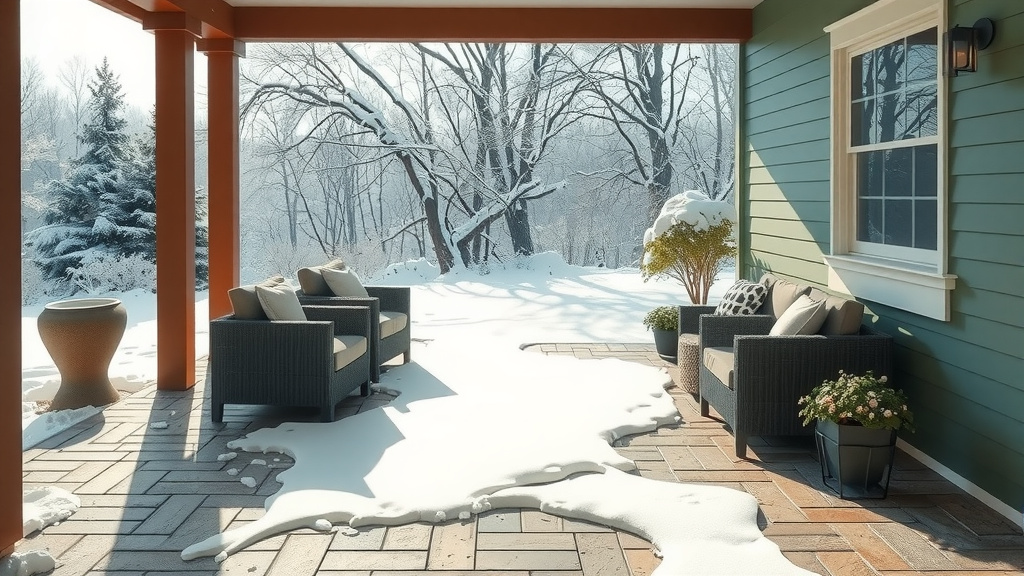
You should generally bring in patio furniture in winter to protect it from harsh weather elements like extreme cold, moisture, and wind, especially if it’s made from sensitive materials.
While some resilient materials might withstand winter outdoors with proper covers, bringing furniture indoors extends its lifespan and preserves its appearance.
Here’s a quick summary of what you need to know about preparing your patio furniture for winter:
- Assess your furniture’s material: Wood, wicker, and fabric often need indoor storage.
- Consider your local climate: Harsh winters mean more protection is wise.
- High-quality covers are a must if leaving furniture outside.
- Cleaning and drying thoroughly before storage or covering prevents damage.
- Indoor storage is the safest bet for longevity and keeping your furniture looking new.
Should You Bring In Patio Furniture In Winter?
The straightforward answer is: it really depends on your furniture’s material and your local climate. Taking the time to prepare your patio furniture now can save you money and headaches later.
Why Winter is a Threat to Your Patio Furniture
Winter brings more than just cold air. It ushers in a variety of challenges that can damage outdoor items. Understanding these threats helps you make informed choices for your furniture’s well-being.
Moisture Damage
Rain, snow, and ice can seep into materials, causing them to warp, crack, or rust. This is especially true for wood and certain metals. Excess moisture can be a real enemy, leading to mildew and deterioration.
Temperature Swings
Freezing and thawing cycles are particularly damaging. These constant shifts cause materials to expand and contract. Over time, this stress can lead to cracks and structural weaknesses in your furniture (Consumer Reports).
UV Rays (Yes, Even in Winter!)
Don’t underestimate the sun’s power in colder months. UV rays, even on cloudy days, can fade colors and weaken plastic or resin materials. This means your furniture’s vibrant look can become dull without proper protection from sunlight.
Evaluating Your Furniture Material
Not all patio furniture is created equal when it comes to winter resilience. Understanding what your pieces are made of is your first step. Each material has its own unique vulnerabilities and strengths against the cold.
Wood Furniture
Wood, particularly softer woods like pine, is prone to absorbing moisture, leading to rot and splitting. Hardwoods like teak or cedar are more resistant but still benefit greatly from protection. Many experts suggest treating wood before storage (Arbor Day Foundation).
Metal Furniture
Iron and steel can rust if exposed to constant moisture. Aluminum is more rust-resistant but can still pit or corrode over time. Protecting metal parts is important to prevent unsightly stains and weakening.
Wicker and Rattan
Natural wicker and rattan are very susceptible to moisture and extreme temperatures. They can become brittle, crack, and mold if left uncovered. Synthetic wicker is more durable but still benefits from being covered or stored indoors to maintain its flexibility and color.
Plastic and Resin
While generally durable, extreme cold can make plastic brittle, leading to cracks. UV exposure in winter can also cause fading. Storing these items indoors or under a cover helps them retain their strength and appearance.
Fabric Cushions and Umbrellas
These absolutely need to come inside. Fabric will mildew, fade, and degrade quickly if left out. Always clean them thoroughly and ensure they are bone-dry before storing them in a cool, dry place. This step is non-negotiable for fabric items.
The “Keep It Out” Option: Protecting Your Investment
If you don’t have indoor storage space, or your furniture is designed for year-round outdoor use, protection is key. You’ll need to be proactive and diligent with your efforts.
High-Quality Furniture Covers
Invest in covers that are waterproof, breathable, and UV-resistant. Look for covers that fit snugly but allow some airflow to prevent condensation. These covers act like a personal shield for each piece of your furniture.
Cleaning Before Covering
Before putting on covers, clean all furniture thoroughly. Remove any dirt, grime, or mildew. Ensure everything is completely dry to prevent mold growth under the covers. A clean surface helps avoid trapping moisture and spores.
Lifting Off the Ground
Wherever possible, lift furniture slightly off the cold, damp ground. You can use wood blocks or furniture risers. This simple act helps prevent moisture wicking and improves air circulation beneath your pieces.
The “Bring It In” Option: What to Consider
Bringing furniture indoors offers the best protection against winter’s bite. This method gives you peace of mind and longer lasting items. It’s often the preferred choice for many homeowners.
Storage Space
Garages, sheds, basements, or even a corner of a spare room can serve as ideal storage. Make sure your chosen space is dry and free from pests. Thinking about how to maximize your space can make this task easier.
Cleaning Before Storage
Just like with covering, a good cleaning is essential before indoor storage. Dirt and grime can become deeply embedded over months. Make sure all items are completely dry to prevent mold or musty smells from developing. This step protects both your furniture and your storage area from unwanted odors or growth.
Temperature Control
An unheated shed might still experience extreme cold. A garage or basement with more stable temperatures is often better. Stable temperatures help prevent materials from becoming brittle or cracking. Think of it as creating a mini-vacation for your furniture from the harsh elements.
Making the Decision: A Quick Checklist
Feeling a bit overwhelmed? Use this checklist to help you decide the best course of action for your patio pieces:
- What are your furniture materials made from? (e.g., wood, metal, wicker)
- How harsh are winters in your specific location?
- Do you have adequate, dry indoor storage space available?
- Are you willing to invest in high-quality protective covers?
- How much effort are you prepared to put into cleaning and maintenance?
- What is the overall value and sentimental importance of your furniture?
Winter Resistance by Furniture Material
Here’s a quick guide to help you weigh your options based on common patio furniture materials:
| Material Type | Best Winter Approach | Key Considerations |
|---|---|---|
| Wood (Soft) | Bring Indoors | Prone to rot, warping, splitting. Needs cleaning and drying. |
| Wood (Hard) | Bring Indoors (or Cover Well) | More resistant, but still benefits greatly from indoor storage. |
| Wrought Iron/Steel | Bring Indoors (or Cover Well) | High risk of rust. Needs rust-proof treatment. |
| Aluminum | Cover Well (or Indoors) | Rust-resistant, but cold can still cause pitting. |
| Natural Wicker/Rattan | Bring Indoors | Very susceptible to moisture, brittleness, mold. |
| Synthetic Wicker/Resin | Cover Well (or Indoors) | More durable, but still can become brittle in extreme cold. |
| Plastic | Cover Well (or Indoors) | Can become brittle and crack in freezing temperatures. |
| Fabric Cushions/Umbrellas | Bring Indoors | Essential to prevent mildew, fading, and degradation. |
Conclusion
Protecting your patio furniture during winter is a smart investment in its longevity and appearance. While some robust materials might brave the cold with a good cover, bringing most items indoors offers the safest solution. Take a moment to assess your furniture, consider your climate, and choose the best path to keep your outdoor living space beautiful for many seasons to come. Your future self will thank you for taking these simple steps now.
Can I leave all my patio furniture outside with just a cover?
No, not all patio furniture is suitable for simply covering and leaving outside. Materials like natural wicker, softer woods, and all fabric items are usually best stored indoors. Even with high-quality covers, extreme cold and prolonged moisture can still cause damage, especially to delicate materials.
How do I prepare cushions for winter storage?
First, clean your cushions thoroughly with a mild soap and water solution, then rinse completely. It’s crucial that they are absolutely bone-dry before storing to prevent mold and mildew. Store them in a cool, dry place like a basement or closet, ideally in breathable storage bags.
What if I only have a small balcony and no indoor storage?
If indoor storage isn’t an option, focus on maximum outdoor protection. Invest in high-quality, durable, waterproof, and breathable covers that fit your furniture snugly. Consider smaller, foldable furniture pieces that are easier to stack and cover efficiently. Elevating furniture slightly off the ground can also help.
Does rust-resistant furniture need winter protection?
Even rust-resistant metals like aluminum can experience pitting or degradation over time if left exposed to harsh winter elements. While less prone to severe rust, protecting these pieces with covers or indoor storage will still extend their life and maintain their aesthetic quality.
Is it worth the effort to move large, heavy furniture indoors?
Absolutely, it is often worth the effort. Large or heavy furniture pieces are typically significant investments. Protecting them from winter’s damaging effects can save you the cost of repairs or replacements, helping them last many years longer. Consider enlisting help to move heavier items safely.