
Why Is My Patio Bistro Set Wobbly?
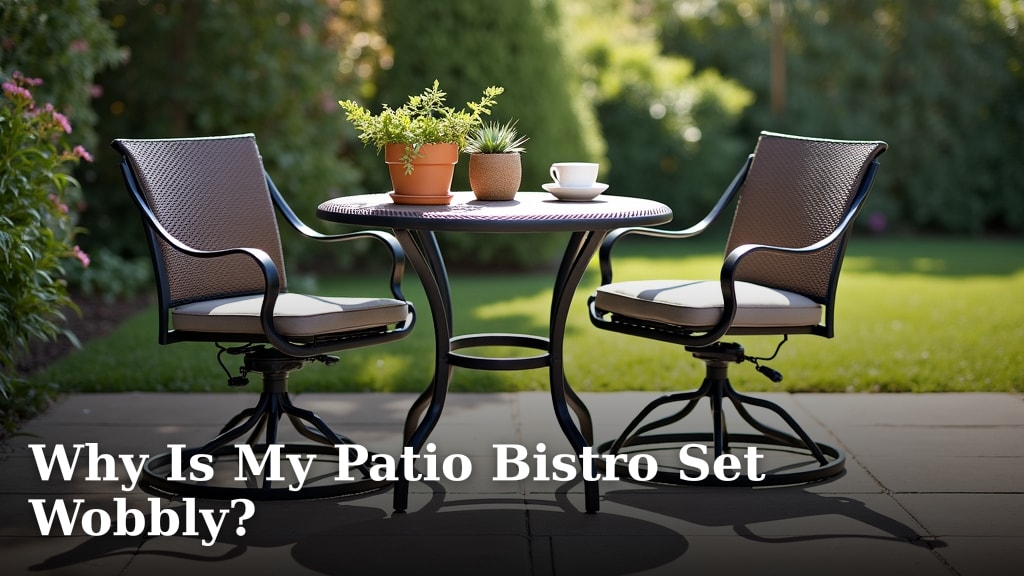
Your patio bistro set is wobbly because of uneven legs, a loose connection A loose connection can cause wobbling, and this guide on how to fix wrought iron furniture offers solutions for unstable joints., or damaged parts. Don’t worry, this is a common problem with outdoor furniture. We found that fixing a wobbly bistro set is usually quite straightforward and can be done with simple tools. You can likely get your charming little table and chairs stable again in no time.
A shaky bistro set isn’t just annoying; it can feel unsafe. It might make you hesitant to enjoy your morning coffee or evening drink. Many outdoor furniture pieces, especially those with metal or lighter materials, can become unstable over time due to weather exposure and regular use. Addressing the wobble quickly helps protect your furniture and your peace of mind.
- Wobbly bistro sets are usually due to uneven legs or loose parts.
- Check for dirt buildup under the legs.
- Tighten any screws or bolts.
- Look for bent or damaged components.
- Sometimes, a simple shim can fix the issue.
Let’s walk through the most common reasons your patio bistro set might be unsteady and how you can fix it.
Troubleshooting Your Unsteady Patio Bistro Set
It can be frustrating when your charming patio bistro set starts to feel like a jittery companion. You want to relax with a cup of coffee or enjoy a quiet evening, but every movement makes the table wobble or the chairs creak. We’ve found that this is a very common issue, and thankfully, most wobbly bistro sets can be fixed without needing a handyman or expensive replacements. It often comes down to a few simple culprits.
Common Culprits Behind a Shaky Bistro Set
When your bistro set feels unsteady, it’s usually because of something physical and straightforward. Think of it like a slightly uneven table at your favorite cafe; there’s a reason it’s rocking. We found that the most frequent reasons for wobbling include:
- Legs that aren’t quite the same length.
- Loose connections where parts join together.
- Obstructions or dirt preventing legs from sitting flat.
- Parts that may have become bent or damaged.
Checking the Foundation: Leg Stability and Surface Issues
The most common reason for a wobbly bistro set is simply that the legs aren’t sitting evenly on the ground. This can happen for several reasons, but the first thing to check is the easiest. We’ve found that dirt and debris can play a surprisingly large role.
The “Dirt Under the Rug” Phenomenon
It sounds too simple, doesn’t it? But accumulated dirt, leaves, or even small pebbles can get lodged under a leg. This tiny obstruction is just enough to lift that leg a millimeter or two. When you place something on the table or sit on a chair, the other legs bear the weight unevenly, causing the wobble. We recommend a quick visual inspection of each leg’s base.
How to Clean Away Wobble-Causing Debris
Give each leg a good wipe-down. A damp cloth or a soft brush usually does the trick. If you have a metal bistro set, you might want to pay special attention to the very bottom of the legs. Sometimes, a bit of mud can dry and harden, creating a more stubborn lump. Gently scrape it away if needed. This simple step resolves many wobbling issues right away.
Uneven Ground or Decking
Even if your bistro set is perfectly manufactured, the ground it sits on might not be perfectly level. Your patio, deck, or lawn might have slight dips or slopes. We found that outdoor surfaces naturally settle or can be uneven due to construction. Even a slight tilt can cause a table to feel unstable.
Simple Solutions for Uneven Surfaces
If the ground is the issue, you have a few options. The quickest fix is often a shim. You can buy specialized furniture shims or even use folded pieces of cardboard or wood. Gently slide a shim under the shortest leg until the wobble stops. You don’t need a perfect, permanent solution for every day. Sometimes, just a temporary shim for when you’re using the set is enough. We also found that repositioning the furniture can help. Try moving it to a flatter spot on your patio.
| Problem | Likely Cause | Easy Solution |
|---|---|---|
| Table or chair rocks side-to-side | Uneven leg length, debris under leg, uneven ground | Clean legs, adjust with shims, move to flatter spot |
| Feels loose when bumped | Loose screws, bolts, or rivets | Tighten hardware, check for damaged parts |
| Wobbles more in certain spots | Uneven patio surface | Use shims or reposition furniture |
| Continues to wobble after checks | Bent or damaged leg, internal structural issue | Inspect for damage, consider repair or replacement |
Tightening Up: Addressing Loose Connections
Many bistro sets, especially those made of metal, are assembled with screws, bolts, or rivets. Over time, with exposure to weather and regular use, these connections can loosen. This is a very common reason for instability. We found that a simple tightening session can often restore stability.
The Hardware Check-Up
Get down and inspect all the points where different parts of your bistro set meet. Look for screws, bolts, or nuts. Are they all present? Are they tight? Often, a bolt might have simply vibrated loose. You’ll likely need a basic tool kit for this. A screwdriver, a wrench, or an Allen key might be required, depending on your furniture’s design.
Tools You Might Need
Before you start, gather your tools. For many metal bistro sets, you’ll need a set of wrenches or an adjustable wrench. If your set has bolts with hex heads, an Allen key (often included with furniture) is necessary. Don’t overtighten, though! We found that stripping a screw or bolt can create a bigger problem. Just snug them up until they feel secure. If you find a bolt is missing, you can usually find a replacement at a hardware store. Bring the old one for comparison if possible.
Riveted Joints: A Different Kind of Loose
Some bistro sets use rivets instead of bolts. Rivets are small metal pins that are inserted and then deformed to hold pieces together. If a riveted joint becomes loose, it’s harder to fix than a bolted joint. Sometimes, the metal around the rivet hole can become worn or cracked. We’ve found that if a rivet is clearly loose, there isn’t always an easy DIY fix. It might require professional riveting or considering if the part needs replacement.
Inspecting for Damage: Bent or Broken Parts
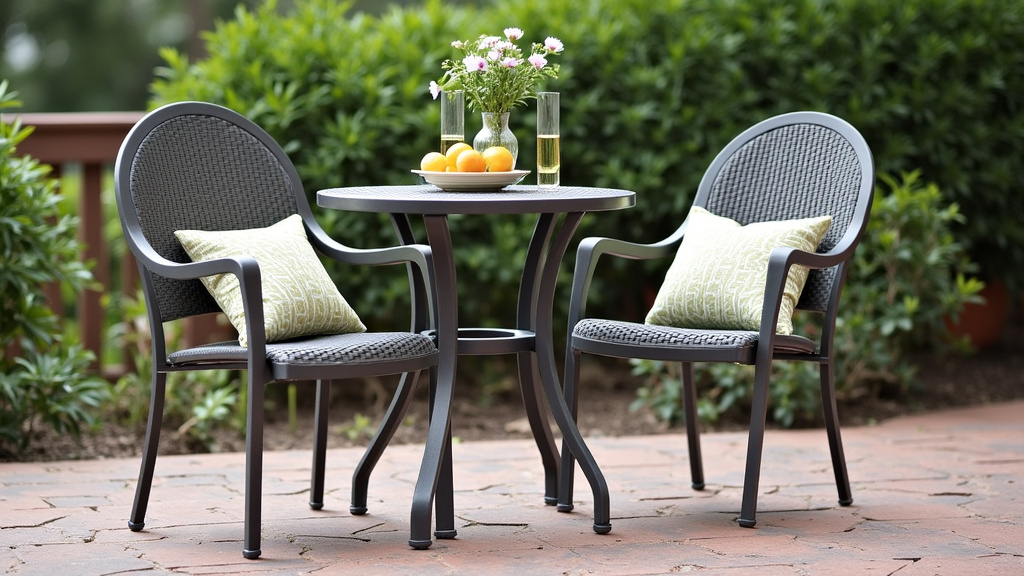
Sometimes, the wobble isn’t due to looseness but to actual damage. Your bistro set might have taken a hit, or perhaps wear and tear have taken their toll. We found that inspecting for bent or cracked components is a critical step in diagnosing persistent wobbles.
The Straight Leg Test
Carefully examine each leg of your chairs and table. Do they all look straight? Try to eyeball them from different angles. Compare one leg to another on the same piece of furniture. If you notice a leg that seems slightly bent, this is a likely cause of your wobble. Even a minor bend can throw off the balance significantly.
What to Do About Bent Legs
If a leg is only slightly bent, you *might* be able to gently bend it back into place. This can be risky, as you could weaken the metal or break it entirely. We found that many experts advise against trying to force bent metal parts back into shape. It’s often safer to consider replacing the bent part. If it’s a common metal table or chair leg, you might be able to find a replacement part from the manufacturer or a furniture supply store. For more severely bent parts, professional repair might be an option, but often replacement is more cost-effective.
Checking Other Structural Components
Don’t just look at the legs! Wobbles can also stem from issues with the frame, the tabletop supports, or even the seat or back of a chair. Look for any signs of cracking, significant dents, or warping, especially in wooden bistro sets. For metal sets, keep an eye out for rust that might have weakened a joint or any signs of metal fatigue.
Your Bistro Set Wobble-Fixing Checklist
Here’s a quick checklist to help you systematically tackle that wobble. We found that going through these steps helps ensure you don’t miss anything.
- Inspect the Legs: Check for dirt, debris, or unevenness at the base of each leg.
- Clean Thoroughly: Wipe down all leg bases to remove any obstructions.
- Tighten Hardware: Check and tighten all accessible screws, bolts, and nuts.
- Examine for Damage: Look for any bent, cracked, or warped parts on the entire set.
- Test on Level Ground: If possible, try the set on a known flat surface to rule out ground issues.
- Use Shims (if needed): If ground unevenness is the culprit, use shims under short legs.
Conclusion
You’ve now got a clear path to a stable patio bistro set! We found that most wobbles are caused by simple issues like dirt, loose screws, or uneven ground. By checking the legs, tightening connections, and inspecting for damage, you can bring back the stability your set needs. Don’t let a little shake ruin your outdoor relaxation. Grab a basic toolkit and a shim or two, and get ready to enjoy your patio without the wobble.
Frequently Asked Questions
How do I know if my bistro set is actually broken or just needs tightening?
We found that if tightening screws and bolts doesn’t help, and there’s no obvious debris, you should look closely for bent or cracked parts. A persistent wobble after basic fixes often points to physical damage in the frame or legs themselves.
Can I use wood blocks instead of furniture shims?
Yes, you can! We’ve seen that small pieces of wood, or even folded sturdy cardboard, can work just as well as professional furniture shims. The goal is to create a stable, even base for any short leg.
What if my bistro set has welded joints that seem loose?
Welded joints are trickier. If a weld appears cracked or loose, it usually means the metal has failed. We found that this type of damage often requires professional repair or, unfortunately, replacement of the affected part or the entire set.
How often should I check my bistro set for wobbling?
We recommend a quick visual check at the start of each outdoor season and again mid-season. Especially after heavy rain or wind, it’s wise to ensure everything is still stable and tight.
My bistro set wobbles even on my deck. What else could it be?
If the wobble persists on a seemingly flat surface like a deck, it might be a subtle unevenness in the deck itself or a slight manufacturing defect. Carefully inspect each leg for a consistent, minor difference in height or a bent component.
