
Can You Paint a Patio Bistro Set?
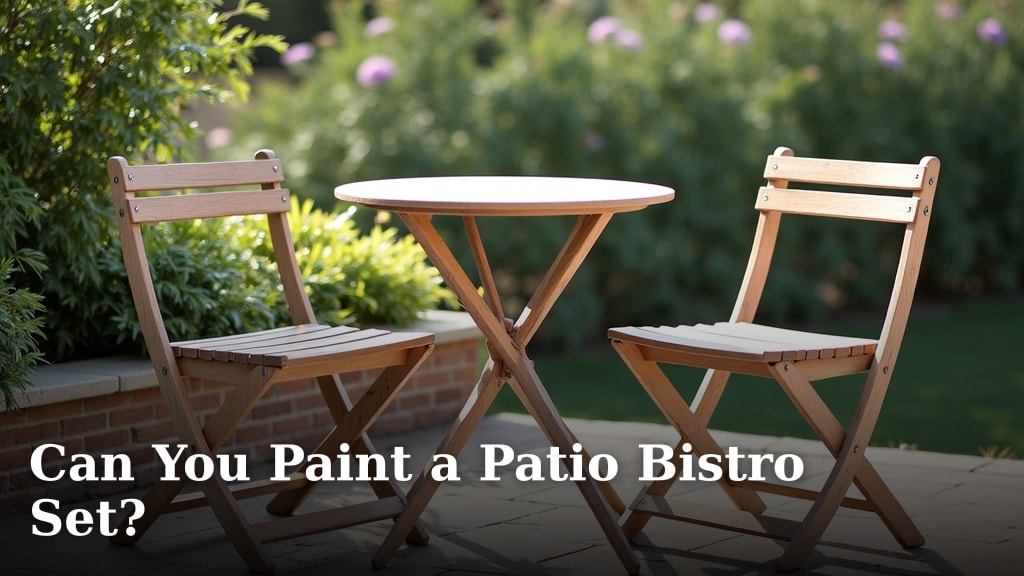
Yes, you can absolutely paint your patio bistro set! With the right preparation and paint, you can give your outdoor furniture a fresh new look and extend its life. It’s a fantastic way to refresh your patio without buying all new pieces.
Painting a bistro set is a project many homeowners take on. We found that homeowners often want to update their furniture to match seasonal decor or simply cover up wear and tear. Choosing the right paint is key for a lasting finish on metal or plastic outdoor furniture.
- Yes, you can paint your patio bistro set.
- Proper prep is crucial for a durable finish.
- Use paint designed for outdoor furniture.
- Consider the material (metal, plastic, wood).
- A fresh coat can save you money.
Let’s dive into the details of how you can get your bistro set looking brand new with a coat of paint.
Refreshing Your Patio Furniture: Painting Your Bistro Set
Yes, you can absolutely paint your patio bistro set! It’s a fantastic way to revitalize tired-looking furniture. You might be wondering if it’s worth the effort or if the paint will even stick. We’ve found that with the right approach, painting your bistro set can be a rewarding DIY project.
It’s more than just a coat of paint; it’s about giving your outdoor space a fresh vibe. Think of it as a mini-makeover for your patio. This guide will walk you through the essential steps to ensure your freshly painted bistro set looks great and lasts through the seasons.
Understanding Your Bistro Set’s Material
Before you grab any old can of paint, it’s important to know what your bistro set is made of. The material dictates the type of prep work and paint you’ll need. Painting metal is different from painting plastic, and wood has its own set of considerations. We found that this is the most critical first step for a lasting finish.
Metal Bistro Sets
Metal bistro sets are common and can be a great candidate for painting. Whether it’s wrought iron, aluminum, or steel, metal can rust or fade over time. A good paint job will not only refresh its look but also provide a layer of protection against the elements. Experts suggest that proper rust removal is key for metal furniture (American Galvanizers Association).
You’ll want to address any existing rust before painting. If you skip this, the rust can spread under the new paint, causing it to chip and peel. We’ve seen projects where this step was overlooked, and the results weren’t pretty after just a few months outdoors.
Plastic Bistro Sets
Plastic furniture can also be painted, but it requires a specific type of paint and preparation. Unlike metal, plastic can be smooth and non-porous, making it hard for paint to adhere. Special adhesion primers are often necessary for plastic. Many DIYers find that using a paint designed for plastic yields the best results. If your plastic set has faded or looks chalky, painting can bring it back to life; consider how to spray paint wicker furniture for a similar effect.
If your plastic set has faded or looks chalky, painting can bring it back to life. Just be prepared for a slightly different process than you might use for metal. It’s often about making sure the paint can properly grip the surface.
Wood Bistro Sets
Wood bistro sets offer a classic, natural look. While you can paint them, you might also consider staining or sealing. If you do decide to paint, you’ll need to prepare the wood surface thoroughly. This usually involves sanding and priming. Wood is also susceptible to moisture and temperature changes, so a durable outdoor paint is essential.
When painting wood, you’re essentially adding a protective layer against UV rays and moisture. This helps prevent cracking, warping, and rot. Think of it like giving your wooden furniture a raincoat for the outdoors.
Gathering Your Painting Supplies
Once you know your material, you can gather the right supplies. Having everything ready before you start will make the process smoother. We recommend laying everything out so you can easily grab what you need. It’s like getting your ingredients ready before you start cooking.
Choosing the Right Paint
The paint you choose is probably the most important decision. Not all paints are created equal, especially for outdoor use. We found that using paints specifically formulated for outdoor furniture or exterior surfaces is highly recommended.
Paint Types for Metal
For metal bistro sets, you’ll want a paint that offers good adhesion and rust resistance. Spray paints designed for metal are popular for their even application. Look for terms like “direct-to-metal” or “rust-inhibitive.” Enamel paints also offer a durable finish. Many experts suggest a multi-step process involving a metal primer and then a topcoat (National Association of Corrosion Engineers).
Paint Types for Plastic
Painting plastic requires a primer that is specifically designed for plastic surfaces. After priming, you can use a spray paint formulated for plastic or a multi-surface exterior paint. These paints are designed to flex slightly, preventing cracking on plastic.
Paint Types for Wood
For wood, you can use exterior latex paints or oil-based paints. Latex paints are more flexible and easier to clean up. Oil-based paints can offer a harder finish. Regardless of type, ensure it’s rated for exterior use and provides UV protection.
Essential Tools and Materials
Beyond paint, you’ll need a few other items. Having these on hand ensures you’re ready for every step of the process.
- Sandpaper: Various grits for cleaning and smoothing surfaces.
- Wire brush: For removing rust or loose paint on metal.
- Cleaning supplies: Mild soap, water, rags, and a degreaser.
- Painter’s tape: To mask off any areas you don’t want to paint.
- Primer: Appropriate for your furniture’s material.
- Brushes and rollers: If not using spray paint.
- Drop cloths: To protect your work area.
- Gloves and mask: For safety.
The Preparation Process: Key to Success
This is where many DIYers might feel tempted to rush. However, we found that thorough preparation is the secret weapon for a professional-looking and long-lasting paint job. Skipping these steps is like building a house on a shaky foundation.
Cleaning Your Bistro Set
Start by giving your bistro set a good cleaning. Remove all dirt, grime, cobwebs, and any residue. A mild soap and water solution usually does the trick. For tougher spots, a degreaser might be necessary. Make sure to rinse thoroughly and let the furniture dry completely. Damp furniture will cause paint to bubble and peel.
Dealing with Rust and Old Paint
If your metal set has rust, you need to remove it. Use a wire brush or sandpaper to scrub away all traces of rust. If the rust is extensive, you might need a rust converter. For any old, peeling paint, scrape it off until you reach a smooth surface. The goal is a clean, smooth canvas.
Sanding for Adhesion
Sanding is crucial for most materials. For metal, it helps create a surface for the primer to stick to. For plastic, a light sanding can break the surface tension. For wood, sanding smooths out imperfections and removes old finishes. We found that a medium-grit sandpaper (around 120-150 grit) is usually a good starting point.
After sanding, wipe down the furniture with a tack cloth or a damp rag to remove all dust. This step is vital – dust left behind will show up in your paint finish.
Priming for a Better Finish
Primer is your best friend for a durable paint job. It helps the paint adhere better, provides a uniform base color, and can block stains or rust. Choose a primer specifically designed for your furniture’s material. For metal, a rust-inhibitive primer is ideal. For plastic, use a plastic-specific adhesion primer. For wood, a good quality exterior wood primer is best.
Apply the primer evenly, following the manufacturer’s instructions. Let it dry completely before moving on to the paint. This might take a few hours, depending on the product and humidity.
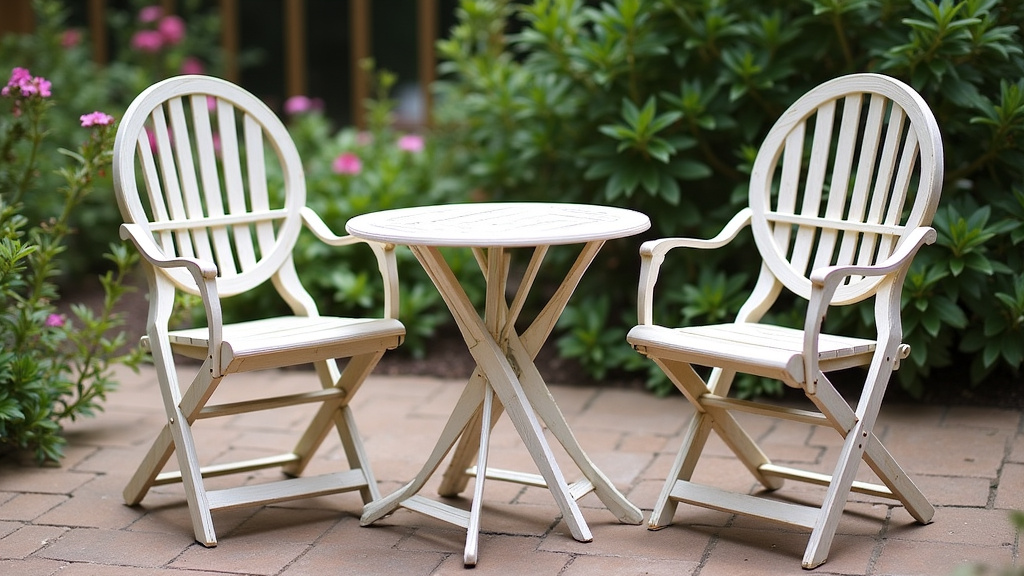
Painting Techniques for a Smooth Finish
Now for the fun part – painting! The method you choose can affect the final look and ease of application. We’ve found that spray painting often gives the most uniform results for furniture like bistro sets.
Using Spray Paint
Spray paint is fantastic for covering intricate parts and achieving a smooth, even coat. Work in a well-ventilated area, preferably outdoors, and wear a mask. Apply thin, even coats, holding the can about 8-12 inches away from the surface. Overlapping each pass slightly will prevent streaks.
Apply multiple light coats rather than one heavy coat. This prevents drips and runs. Allow adequate drying time between coats as recommended by the paint manufacturer. We found that patience here really pays off.
Using Brushes and Rollers
If you prefer brushes and rollers, choose high-quality ones. For detailed areas, a good synthetic brush works well. For larger, flat surfaces, a small foam roller can provide a smooth finish. Apply paint in long, even strokes. For metal, brushing with the grain (if applicable) or in the direction of the metal’s natural flow can look good.
Avoid overworking the paint, which can lead to brush marks. Again, multiple thin coats are better than one thick coat. Ensure each layer is dry before applying the next. This method might take more time but can be more controlled for some DIYers.
Applying the Top Coat and Curing
After your primer has dried, it’s time for the paint color. You’ll apply this in the same manner as the primer. Two to three thin coats of paint are usually sufficient for good coverage and durability.
The Importance of Curing Time
Just because the paint is dry to the touch doesn’t mean it’s ready for heavy use. Paint needs time to cure, which is when it hardens completely. This process can take several days or even a couple of weeks, depending on the paint type and environmental conditions. We found that allowing the full curing time is essential for preventing scratches and damage.
Check the paint can for specific curing instructions. During the curing period, treat your bistro set gently. Avoid dragging things across it or placing heavy items on it.
Maintaining Your Newly Painted Bistro Set
Once your bistro set is fully cured, you can enjoy its fresh new look! To keep it looking its best, a little ongoing maintenance goes a long way. Regular cleaning will help prevent dirt and grime from setting in. A simple wipe-down with a damp cloth should suffice for most messes.
We found that inspecting your furniture periodically for any chips or wear is a good idea. If you spot any damage, touch it up promptly with matching paint to prevent further deterioration. With proper care, your painted bistro set can provide enjoyment for many seasons to come.
Quick Checklist for Painting Your Bistro Set:
- Clean furniture thoroughly.
- Remove rust or old, peeling paint.
- Sand surfaces for better paint adhesion.
- Apply an appropriate primer.
- Use thin, even coats of exterior paint.
- Allow full curing time before use.
Conclusion
You absolutely can paint your patio bistro set to give it a beautiful refresh! We’ve seen that with careful preparation and the right materials, you can achieve a durable, attractive finish. Remember to clean thoroughly, address any rust or peeling paint, and always sand for proper adhesion. Using a good primer and exterior-rated paint is key for longevity. Once you’ve applied your paint and allowed it to fully cure, your set will look brand new. Don’t wait any longer to start planning your patio makeover!
Frequently Asked Questions
How long will painted patio furniture last?
With proper preparation and the use of exterior-grade paints, your freshly painted bistro set can last for several years. We’ve found that regular cleaning and touching up minor chips will significantly extend its lifespan.
Do I really need to prime plastic patio furniture?
Yes, priming is essential for painting plastic furniture. Plastic surfaces are often very smooth and non-porous, so a special adhesion primer is needed to help the paint grip properly. Skipping this step can lead to peeling paint.
What’s the best way to remove rust from metal patio furniture before painting?
For metal furniture, you’ll want to use a wire brush or sandpaper to scrub away all visible rust. If there’s a lot of rust, a rust converter can be very effective. We recommend ensuring the metal is completely clean and dry after rust removal.
Can I paint my bistro set if it’s still a little damp from cleaning?
No, it’s very important to let your bistro set dry completely before painting. Painting over damp surfaces can trap moisture, leading to bubbles, peeling, and a weakened paint job. Always allow ample drying time.
How many coats of paint do I need for my bistro set?
Generally, two to three thin coats of paint are recommended for good coverage and durability. We found that applying multiple light coats is far better than one thick coat, as it prevents drips and ensures a smoother finish.
