What Is the Best Color for a Patio Umbrella?
On this page (3 sections)
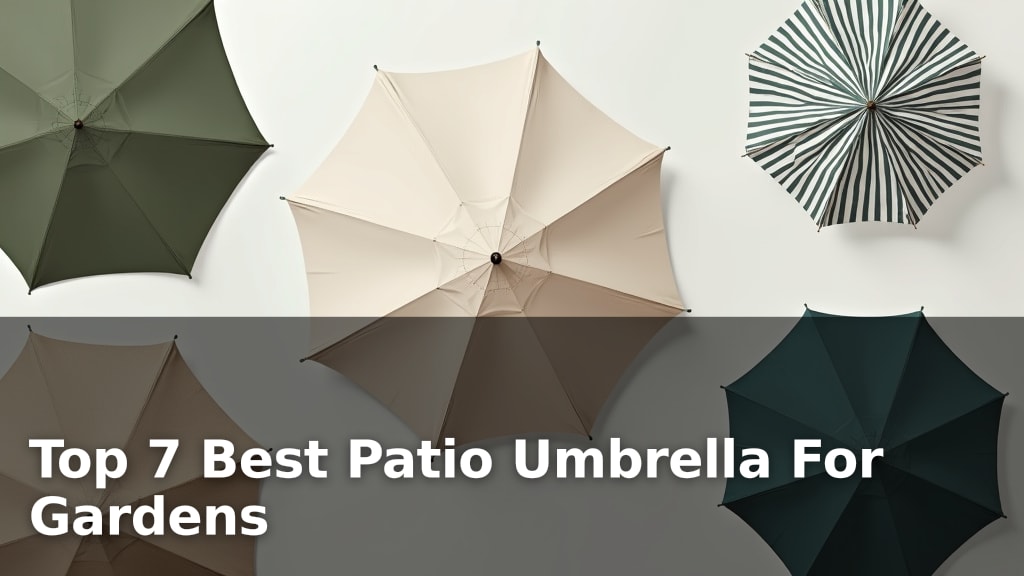
The best color for a patio umbrella is light-colored neutral shades like white, beige, or light gray. We found these colors reflect more sunlight and keep you cooler. They also tend to fade less over time.
Choosing your patio umbrella color involves more than just looks. You want a color that offers great UV protection. It should also last through many sunny days without looking worn. We think about things like heat absorption and durability for you.
TL;DR:
- Light colors keep you cooler.
- Neutrals match most decor.
- Darker colors absorb more heat.
- Consider fade resistance.
- UV protection is key.
Let’s dive into why these colors work best and how to pick the perfect one for your outdoor space.
Optimal Color Choices for Your Patio Umbrella
The best color for your patio umbrella is a light-colored neutral shade, such as white, beige, or light gray. We found these colors effectively reflect sunlight, keeping you cooler. They also tend to resist fading over time.
Why Light Colors Keep You Cooler
Think about wearing a black shirt versus a white shirt on a sunny day. Which one feels hotter? The black one, right? The same principle applies to your patio umbrella. Darker colors absorb more solar radiation. This means they soak up the sun’s heat, making the area underneath feel warmer.
Light colors, on the other hand, reflect sunlight. This reflection helps to bounce away the sun’s energy, keeping the space beneath your umbrella noticeably cooler. It’s like having your own personal cool zone on a hot day. We found this makes a significant difference in your outdoor comfort.
The Science of Color and Heat Absorption
The amount of light a color reflects or absorbs is measured by its “albedo.” Colors with a high albedo reflect more light and absorb less heat. White has the highest albedo, reflecting up to 90% of sunlight (Department of Energy). Black has a very low albedo, absorbing almost all sunlight. This is why a light-colored umbrella provides better shade from heat.
So, choosing a light-colored umbrella isn’t just about aesthetics. It’s a practical choice for maximizing your comfort. You want to relax outside, not feel like you’re baking. We aim for cooler outdoor living spaces for you.
Fade Resistance and Longevity
Nobody wants an umbrella that looks tired and faded after just one season. Darker colors, while stylish initially, are often more prone to noticeable fading from UV exposure. Think about dark fabrics left in the sun – they often lighten and dull over time. This happens because the sun’s UV rays break down the dyes.
Light-colored neutrals, like beige or off-white, tend to show fading much less. Even if some fading occurs, it’s not as obvious as it would be on a deep blue or red. This means your light-colored umbrella will maintain its attractive appearance for many years. We want your investment to last.
Protecting Your Umbrella from UV Damage
Beyond color, look for umbrellas made with UV-resistant fabrics. Materials like solution-dyed acrylic are designed to withstand the sun’s harsh rays. They keep their color vibrancy longer, regardless of the shade you choose. Always check the fabric specifications when shopping. You deserve a durable umbrella.
UV Protection: Beyond Just Shade
It’s easy to think any umbrella offers good UV protection. But not all umbrellas are created equal. The fabric’s weave and density play a big role in how much UV radiation passes through. A tightly woven fabric will offer better protection than a loosely woven one, regardless of color.
While color influences heat absorption, it has a less direct impact on UV blocking. What truly matters is the fabric’s Ultraviolet Protection Factor (UPF) rating. Many outdoor fabrics are tested and rated for their UPF, similar to sunscreen. A higher UPF means better protection. We always recommend checking for a UPF rating.
Understanding UPF Ratings
A UPF rating of 30 means the fabric allows 1/30th of UV radiation to pass through. A UPF of 50+ means it allows less than 1/50th. Aim for a UPF of 30 or higher for effective sun protection (Skin Cancer Foundation). You want to enjoy your patio safely. Don’t forget sunscreen too!
Aesthetic Versatility of Neutral Colors
Choosing a neutral color for your patio umbrella offers unmatched versatility. White, beige, gray, or even a soft cream will blend seamlessly with almost any outdoor decor. Do you like bright cushions? A neutral umbrella lets them pop. Prefer a more understated look? Neutrals fit right in.
This means you can change your patio’s accessories – cushions, planters, rugs – without having to buy a new umbrella. It provides a timeless backdrop that won’t go out of style. We find neutrals are the easiest to work with. They give you flexibility for future design changes.
When Darker Colors Might Be an Option
While light colors are generally superior for comfort and longevity, there might be specific situations where a darker umbrella could work. If you live in a climate with less intense sun or primarily use your patio in the evenings, heat absorption might not be your primary concern. Maybe you love a bold statement.
Darker colors can also offer a more dramatic or sophisticated look. If aesthetics are your absolute top priority, and you’re willing to sacrifice a bit of cooling, a dark color could be an option. Just be aware of the trade-offs. We want you to make an informed decision.
Here’s a quick comparison to help you weigh your options:
| Feature | Light Colors (e.g., White, Beige) | Dark Colors (e.g., Navy, Black) |
|---|---|---|
| Heat Absorption | Low (reflects heat, keeps you cooler) | High (absorbs heat, feels warmer) |
| Fade Resistance | High (fading less noticeable) | Lower (fading more obvious) |
| UV Protection | Good (depends on UPF rating) | Good (depends on UPF rating) |
| Versatility | High (matches many styles) | Moderate (can be bold or specific) |
| Maintenance | Shows dirt more easily | Hides dirt better |
Maintenance Considerations for Different Colors
Something to think about: light-colored umbrellas can show dirt and stains more readily. Bird droppings, pollen, or dust can be more visible on a white or light beige fabric. This means you might need to clean it more often to keep it looking pristine. A quick wipe-down usually does the trick.
Darker umbrellas, conversely, tend to hide dirt and minor stains better. They might look cleaner for longer between washes. However, they’re not immune to needing a good scrub from time to time. No matter the color, regular cleaning extends the life of your umbrella. We want to help you keep it looking new.
Your Patio Umbrella Color Checklist
Ready to pick your perfect umbrella? Use this checklist to guide your decision:
- Consider your local climate – how hot does it get?
- Think about your comfort – do you prioritize coolness?
- Evaluate your patio’s existing decor and future plans.
- Check for a UPF rating on the fabric.
- Decide how often you’re willing to clean your umbrella.
Conclusion
Choosing the best color for your patio umbrella truly impacts your comfort and the longevity of your outdoor space. We found that light-colored neutrals like white, beige, or light gray are superior. They effectively reflect sunlight, keeping you cooler, and resist fading more effectively than darker shades. While aesthetics matter, prioritizing heat reflection and durability will make your patio much more enjoyable for years to come.
Consider your climate, comfort needs, and the overall style of your patio. By opting for a high-UPF, light-colored umbrella, you’re investing in both protection and lasting beauty. You’ll thank yourself on those hot, sunny days!
Frequently Asked Questions
Does umbrella color really affect temperature underneath?
Yes, absolutely! Our research shows that lighter colors, like white or beige, reflect more sunlight and heat away from the umbrella. This keeps the area underneath noticeably cooler than if you were sitting under a dark-colored umbrella that absorbs heat.
Are dark patio umbrellas bad for UV protection?
Not necessarily. While dark colors absorb more heat, the color itself has less direct impact on UV blocking. What truly matters for UV protection is the fabric’s UPF rating and its weave density. Always look for a high UPF rating (30+) regardless of the umbrella color.
Do light-colored umbrellas get dirty faster?
Light colors can show dirt, pollen, and bird droppings more visibly than darker colors. This means you might need to clean them a bit more frequently to keep them looking pristine. However, regular, gentle cleaning easily maintains their fresh appearance.
Can I still choose a dark umbrella if I prefer the look?
You can, but be aware of the trade-offs. Darker umbrellas will absorb more heat, potentially making your shaded area warmer. They also tend to show noticeable fading more quickly. If aesthetics are your top priority, ensure the umbrella fabric has good UV resistance for durability.
What’s the best fabric for an outdoor umbrella?
For longevity and fade resistance, solution-dyed acrylic fabrics are generally considered the best. These materials are colored all the way through the fiber, not just on the surface. This helps them maintain their vibrant color longer, even with constant sun exposure.