What Are Patio Chairs Made Of?
Patio chairs are commonly made from a variety of materials, including natural options like wood (teak, acacia) and wicker, or synthetic choices such as aluminum, steel, wrought iron, and various plastics like HDPE and resin wicker.
Each material offers unique benefits in terms of durability, style, weight, and maintenance, allowing you to select the best fit for your outdoor living space.
- Patio chairs come in many materials, both natural and man-made.
- Wood like teak or acacia offers classic beauty and strength, but needs upkeep.
- Metals such as aluminum are light and rust-resistant, while steel is very strong.
- Plastics and resin wicker give you easy care and are budget-friendly.
- Your choice depends on your style, desired maintenance, and local weather.
What Are Patio Chairs Made Of?
When you picture your ideal outdoor space, what do you see? Perhaps comfortable seating, a warm breeze, and friends gathering. But have you ever stopped to think about what makes those patio chairs so perfect? The truth is, there’s a whole world of materials that go into crafting these essential pieces.
Understanding these materials is like getting a peek behind the curtain. It helps you pick chairs that not only look good but also stand up to the elements and serve your family well for years to come.
Wood: Timeless Charm and Strength
Wood patio chairs bring a classic, natural beauty that many homeowners adore. They can feel sturdy and warm, blending seamlessly into garden settings. But not all wood is created equal for outdoor use.
Teak: The Outdoor King
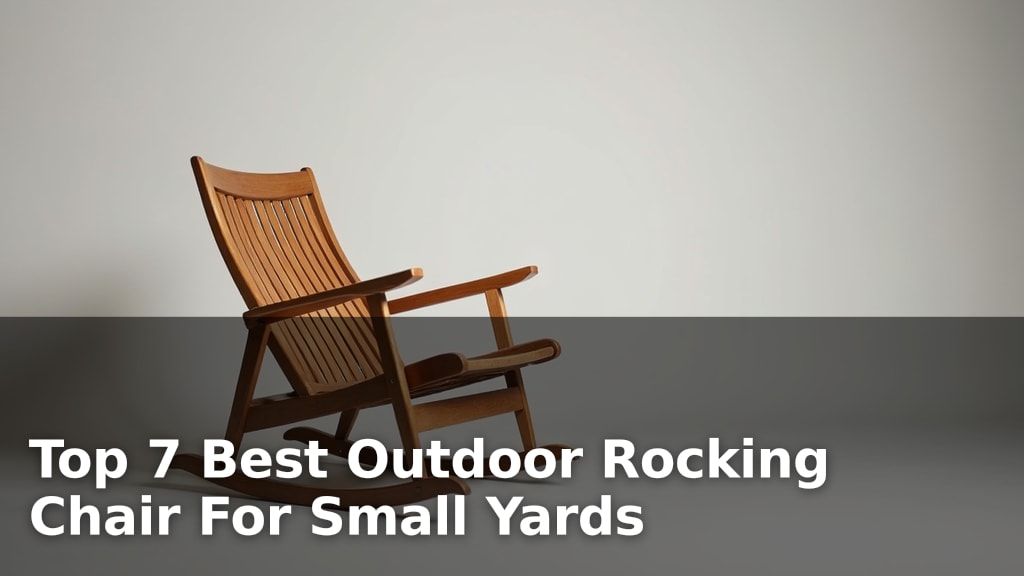
If you’re looking for the gold standard in outdoor wood furniture, teak is often the top choice. We found that teak wood is naturally rich in oils and rubber (Forest Products Laboratory). These natural components make it incredibly resistant to water, rot, pests, and even UV rays.
Teak can last for decades, weathering to a beautiful silvery-gray patina if left untreated. Many experts say a yearly cleaning is usually all it needs, making it a relatively low-maintenance luxury.
Cedar and Acacia: Other Great Options
Cedar is another fantastic option, known for its distinct aroma and natural resistance to decay and insects. It’s lighter in weight than teak and often more affordable. However, cedar is softer and might dent more easily.
Acacia wood has grown in popularity. We found that it is a dense, durable hardwood that resists moisture well. It often comes at a more budget-friendly price point than teak, offering great value for its strength and appealing grain.
Wicker: Weaving Comfort and Style
Wicker isn’t a material itself, but a weaving technique. However, it’s commonly associated with specific materials that are woven together to create that distinctive look and feel.
Natural Rattan and Woven Fibers
Historically, wicker patio chairs were made from natural materials like rattan, bamboo, or willow. These materials create beautiful, intricate designs and offer a lovely, organic feel. They are often lighter than wood furniture.
While elegant, natural wicker is generally best suited for covered patios or sunrooms. It can be susceptible to moisture damage and sun fading if fully exposed to the elements, demanding more careful placement.
Metals: Durable and Sleek
Metal patio chairs offer a modern, clean aesthetic and are known for their exceptional strength. They can be powder-coated in various colors, adding a contemporary touch to your outdoor space.
Aluminum: Lightweight Champion
Aluminum is perhaps the most popular metal for patio chairs. Why? It’s incredibly lightweight, making chairs easy to move around. We found that aluminum is also naturally rust-resistant (The Aluminum Association). This means you don’t have to worry about unsightly corrosion, even in damp conditions.
Most aluminum outdoor furniture is powder-coated. This process adds a layer of protection and color, making it even more durable and stylish. It’s a great choice for areas that experience varied weather.
Steel and Wrought Iron: Heavy-Duty Heroes
For sheer strength and a substantial feel, steel and wrought iron are excellent choices. Steel chairs are very robust and can withstand heavy use, often found in commercial settings.
Wrought iron is known for its incredible weight and ornate designs, giving a timeless, elegant look. Both steel and wrought iron are prone to rust if not properly treated and maintained. They often come with protective coatings that you might need to reapply periodically (National Association of Architectural Metal Manufacturers).
Plastics and Resins: Versatile and Low-Maintenance
Plastic and resin patio chairs have come a long way. Gone are the days of flimsy, easily broken options. Today’s synthetic materials are durable, stylish, and incredibly easy to care for.
HDPE and PVC: Everyday Resilience
High-Density Polyethylene (HDPE) is a robust plastic that resists fading, cracking, and splintering. It’s often used to create patio chairs that mimic the look of painted wood, but without the maintenance. PVC is another common plastic, offering good water resistance and affordability.
Both HDPE and PVC chairs are typically very lightweight and can be easily cleaned with soap and water. They are excellent for poolside areas or families looking for practical, long-lasting options.
All-Weather Wicker (Resin Wicker)
This is where the term “wicker” gets a modern twist. All-weather wicker, also called resin wicker or synthetic wicker, is made from woven strands of polyethylene (a type of plastic). It looks just like natural wicker but with vastly improved durability.
We found that resin wicker resists UV fading, moisture, and mildew (Furniture Today). It’s perfect for full outdoor exposure, providing that classic woven look without the upkeep of its natural counterpart. It often wraps around an aluminum frame for strength.
Fabric Choices for Comfort
While the frame material is key, the deep seating furniture also play a big role in comfort and durability.
Cushions and Slings: Adding Softness
Most patio chairs feature cushions or sling seats to enhance comfort. These fabrics need to be as tough as the frame to withstand outdoor conditions. They face sun, rain, and spills, so choosing wisely matters.
Acrylic and Olefin Fabrics
outdoor cushion fabrics, like those by Sunbrella, are widely recognized for their excellent resistance to fading, mildew, and water. They retain their color and strength even after prolonged sun exposure. Olefin is another popular synthetic fiber, known for its durability, quick-drying properties, and resistance to stains.
Both types of fabrics offer good comfort and are designed for easy cleaning. They are often specifically treated to repel water and resist UV damage, making them ideal for outdoor living.
| Material | Pros | Cons | Best For |
|---|---|---|---|
| Teak Wood | Highly durable, weather-resistant, naturally beautiful, long-lasting. | High cost, heavy, needs occasional oiling to maintain color. | Luxury, timeless look, high-exposure areas. |
| Aluminum | Lightweight, rust-resistant, low maintenance, versatile styles. | Can be blown by strong winds, sometimes less substantial feel. | Easy mobility, modern aesthetics, poolside. |
| Steel/Wrought Iron | Extremely strong, heavy, classic and ornate designs, won’t blow away. | Prone to rust if coating is damaged, very heavy to move, higher cost. | Durability, traditional look, windy locations. |
| Resin Wicker | Weather-resistant, mimics natural wicker, lightweight, easy care. | Can sag over time if not well-made, less premium feel than natural. | Comfort, classic woven style, all-weather use. |
| HDPE Plastic | Very durable, low maintenance, weather-resistant, often recycled. | Can look less natural than wood, limited design options sometimes. | Budget-friendly, family use, long-term resilience. |
When you’re ready to choose your patio chairs, consider these factors to make the best decision for your home:
- Local Weather Conditions: Does your area get a lot of sun, rain, or humidity?
- Maintenance Level: How much effort are you willing to put into cleaning and care?
- Weight and Mobility: Do you need to move your chairs often, or will they stay put?
- Desired Aesthetic: Are you going for a modern, rustic, or classic look?
- Budget: How much are you comfortable spending on your outdoor furniture?
- Comfort: Do you prefer plush cushions or a firm, supportive seat?
Conclusion
Choosing patio chairs is more than just picking a pretty color; it’s about understanding the heart of their construction. From the robust elegance of teak wood to the lightweight resilience of aluminum and the easy-care nature of resin wicker, each material tells a story of durability and design.
By considering your climate, desired maintenance, and personal style, you’re now equipped to select patio chairs that will transform your outdoor area into a truly functional and inviting extension of your home. Pick the material that speaks to you and get ready to enjoy countless moments outside!
What is the most durable material for patio chairs?
Teak wood, powder-coated aluminum, and wrought iron are consistently ranked among the most durable materials for patio chairs. Teak resists rot and pests naturally, aluminum offers rust-proof strength, and wrought iron provides exceptional weight and stability.
Are plastic patio chairs good for all weather?
Yes, modern plastic patio chairs, especially those made from HDPE (High-Density Polyethylene) or quality resin, are excellent for all weather. They resist UV fading, moisture, and temperature changes without cracking or rotting, making them very low maintenance.
How do I maintain different types of patio chair materials?
Maintenance varies greatly. Wood chairs (like teak) might need occasional oiling or sealing, while aluminum typically requires only soap and water cleaning. Steel and wrought iron may need rust-preventative coatings reapplied periodically. Resin wicker and plastics are usually the easiest, needing just a quick wash.
Are heavier patio chairs always better?
Not necessarily. Heavier chairs, like wrought iron or solid wood, are excellent for very windy areas or when you want a substantial, stable feel. However, lighter materials like aluminum are better if you plan to move your chairs frequently for different activities or storage.
Can I mix and match different patio chair materials?
Absolutely! Mixing materials can add visual interest and depth to your patio. For instance, you could pair a natural wood dining table with sleek aluminum chairs, or use resin wicker lounge chairs alongside a concrete coffee table. Focus on complementary colors and styles to create a cohesive look.