Can You Put an Outdoor Rug on Grass?
Yes, you can put an outdoor rug on grass for a short time, but you should not leave it there. Lift it daily, let the lawn dry, and use a hard surface for regular use to avoid moisture and yellowing.
On this page (9 sections)
- What happens to grass under an outdoor rug?
- How long can you leave a rug on grass safely?
- Which rugs handle brief grass use best?
- How do you set up a rug on grass for a party?
- How do you stop moisture and mold on the rug?
- What surfaces work better than grass for an outdoor rug?
- Outdoor rug on grass versus hard ground: which wins?
- How do you clean a rug after grass use?
- Which rug should you pick for lawn and patio use?
Yes, you can put an outdoor rug on grass for a short event or picnic. You should lift it the same day, dry it fully, and keep it off the lawn between uses so sunlight and air can reach the grass.
That short answer matters because an outdoor rug on grass acts like a lid. It blocks light, slows evaporation, and holds moisture against the blades.
A few hours usually cause no lasting harm. A rug left through rain, dew, and shade can leave a pale patch and a musty smell.
What happens to grass under an outdoor rug?
Grass under a rug turns pale because it loses light. Most lawns need direct sun, and a tight weave can shade the patch completely for days.
Moisture is the bigger problem. Dew, rain, and sprinkler water can sit under the rug instead of drying.
Warm, damp conditions can invite mold and stress the lawn, while a heavy rug can compact the soil and make root growth harder.
Air flow matters too. If you lift a corner and find wet soil, leave the lawn open to sun and air right away.
Do not put the rug back until both the rug and the patch feel dry.
For a party, spread the rug only where people will sit, then roll it up after. If the patch stays yellow for more than a week, water it lightly and keep foot traffic off it while it regrows.
How long can you leave a rug on grass safely?
You can leave a rug on grass for a few hours with little risk. One full day is a practical limit for most lawns, and shorter is better in hot, humid weather.
Plan around the weather. Morning dew, recent rain, or a sprinkler cycle means the lawn starts wet.
A rug placed then will hold that moisture down for hours. Hot sun can dry the top while the underside stays damp.
Kids and pets add wear. Repeated sitting and foot traffic can crush blades and push soil down.
Our guide to Can You Put Patio Furniture On Grass? covers the same issue with chair legs. A rug spreads pressure without removing it.
Lift the rug at least once a day if you need a second day. Shake off clippings, hang it over a fence, and leave the lawn open overnight.
If the grass looks yellow or the rug smells musty, rest the spot for several days.
Which rugs handle brief grass use best?
Low pile, flat weave rugs handle short grass use best because they dry faster and hold less water. Polypropylene and other synthetic outdoor fibers resist fading and clean with soap and water, according to the makers of the rugs below.
Cotton and other natural fibers can stay damp longer, so they need more drying time.
Weight and thickness matter in daily use. A thin rug weighing about 3 kg for an 8x10 size can be shaken out and hung over a railing by one person.
A thicker rug may take longer to dry and press down on the grass more.
The JONATHAN Y Moroccan Geometric Indoor Outdoor Area rug is an 8x10 flat weave in natural and black. It is made of 100% polypropylene with a low pile of 0.19 inches and no backing.
That build suits a picnic on the lawn because it can be hosed, rinsed, and dried without a long soak.
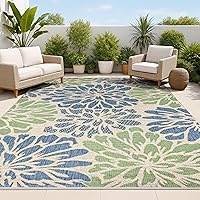
The JONATHAN Y Floral Textured Weave Indoor Outdoor rug has the same 8x10 size and 0.19 inch low pile. Its navy and green floral pattern on a beige ground hides clippings well.
JONATHAN Y says the synthetic fibers resist UV fading and spills clean up easily, which helps after a lawn gathering.
The SEEKSEE Fall Decor Buffalo Plaid Outdoor Rug is much smaller at 27.5x43 inches. It is cotton, reversible, and made for layering at a door.
It can work for a short seat on dry grass, but cotton needs prompt drying and this size suits a doormat role more than a picnic blanket.
How do you set up a rug on grass for a party?
Set up a rug on grass safely with a dry lawn, a clean rug, and a clear end time. Mow first, sweep the area, and put the rug down only when the grass feels dry to the touch.
Trim tall grass where the rug will sit, since long blades hold moisture and can stain the underside. Sweep away clippings, twigs, and damp leaves, and wait for sun and wind if the soil feels spongy.
Place the rug flat and smooth wrinkles by hand. Do not stake it down or weigh corners with wet soil, as that can tear fibers and hold water at the edges.
Keep food and drinks on a tray so spills do not seep through the weave. After the event, lift a corner to check for dampness, then roll from the dry end toward the damp end.
Hang it to dry the same day and leave the lawn open to sun the next morning.
How do you stop moisture and mold on the rug?
You stop moisture by drying the rug fully after every lawn use. Shake it out, hose it gently if needed, and hang it where air moves on both sides.
A rug stored while damp can smell musty even if the top looks dry. Clippings and soil wash out of a flat weave more easily than out of a thick pile.
For polypropylene rugs, JONATHAN Y advises a spray of mild dish soap and water in a 5 to 1 mix, then a thorough rinse with a garden hose. Hang the rug over a railing to dry thoroughly.
For the cotton SEEKSEE rug, machine wash on a gentle cycle and tumble dry low, according to SEEKSEE. Avoid leaving cotton on grass overnight, and dry it promptly if it gets wet.
Store every rug in a dry, well ventilated area when it is not in use.
What surfaces work better than grass for an outdoor rug?
A hard surface works better than grass for regular rug use. Patios, decks, porches, and concrete pads dry faster and support furniture without crushing growth.
If you want a lawn area that can hold a rug, interlocking deck tiles can cover a small section while still letting water drain between the tiles. They create a firm base for chairs and a rug, and you can lift them to mow or let the grass recover.
Measure the area first so the tiles sit flat. For a garden seating nook, our best outdoor garden rug picks show sizes and patterns that suit stone, gravel, or decking.
For a camper or travel setup, best outdoor rugs for camping covers rugs that pack and dry after outdoor use. A patio or porch also protects the rug from soil stains and damp edges, so it needs less washing between uses.
Outdoor rug on grass versus hard ground: which wins?
Hard ground wins for everyday use, and grass wins only for a short, dry event. Choose grass for a picnic, and choose a patio or deck for a rug that stays out for days.
On grass, you get a soft seat and a natural setting. The trade off is shade, moisture, and soil contact.
On a hard surface, the rug lies flat and dries faster. It can stay out through dew without trapping water against living blades.
Our best outdoor rug for rv guide shows how a rug works on gravel, concrete, and campsite pads, where drainage is faster than on a lawn. For home use, How To Put Patio Furniture On Grass? gives steps for leveling and protecting a seating area without a permanent rug.
The JONATHAN Y rugs above suit patios, decks, and porches best, with short lawn use as a bonus.
How do you clean a rug after grass use?
Clean a rug after grass use by removing dry debris first, then washing gently. Shake the rug outdoors, rinse with a hose, use mild soap if needed, and dry it hanging in moving air.
Shake the rug over a fence or hard surface to drop soil and clippings. Use a brushless vacuum only if the rug is fully dry, since brushing damp fibers can push dirt deeper.
For the polypropylene JONATHAN Y rugs, JONATHAN Y recommends a soap spray and garden hose rinse. Rinse from the top and let water pass through the flat weave, and do not soak the rug on the lawn.
Hang the rug over a railing or fence so both sides dry. For the SEEKSEE cotton mat, machine wash on gentle and tumble dry low, and flip its reversible design when one side shows wear.
Which rug should you pick for lawn and patio use?
Pick the rug by how you will use it most. Choose a large polypropylene rug for a patio, and reserve grass for short events.
If you want one rug for a lawn picnic and later for a porch, the JONATHAN Y Moroccan Geometric Indoor Outdoor Area rug is a strong fit. It is 8x10, flat woven, low pile, and easy to hose and hang.
Its natural and black geometric pattern suits a rustic or boho setup with wood furniture.
If you want a bolder pattern that hides grass stains, the JONATHAN Y Floral Textured Weave Indoor Outdoor rug is the better pick. It shares the same 8x10 size, polypropylene build, and easy care, with navy and green blooms on beige.
A best polypropylene outdoor rug 9x12 search can help if you need a larger size for a patio.
If you want a small layered mat at a door, the SEEKSEE Fall Decor Buffalo Plaid Outdoor Rug fits that role. It is 27.5x43, reversible, and washable, but cotton needs faster drying than polypropylene.
A best safavieh courtyard rug comparison can help if you want a larger neutral option. Use grass sparingly and bring the rug home to a hard surface for daily life.
Frequently asked questions
Can an outdoor rug kill grass?
It can weaken grass if it stays in place. Blocked light, trapped moisture, and limited air flow can yellow blades and stress roots over days.
Short use, daily lifting, and morning sun help the lawn recover.
How long can a rug stay on grass?
Use it for a few hours or one day at a time where possible. Shake off clippings, hang the rug to dry, and leave the patch open the next day.
Longer stays raise the risk of mold, odor, and patchy growth.
What is the best surface instead of grass?
A patio, deck, porch, concrete pad, or stone area gives the rug firm support and faster drying. Interlocking tiles can also cover a small lawn area without trapping moisture in the same way.
Choose a flat surface that drains well.