Can You Store Patio Furniture Outside?
Yes, you can absolutely store patio furniture outside, but its overall lifespan and beautiful appearance depend heavily on its material and the proactive protection you provide.
Most outdoor furniture is designed to endure various weather conditions, though smart storage practices are always essential to prevent premature wear and tear.
- You can store most patio furniture outdoors with thoughtful care.
- The material of your furniture significantly impacts its outdoor resilience.
- Using protective covers and regular cleaning truly extends its lifespan.
- Winter storage needs vary, from simple covers to indoor solutions.
- Always check your furniture’s warranty for specific care guidelines.
Can You Store Patio Furniture Outside?
Yes, storing patio furniture outside is often its intended purpose, but you need to consider the material’s inherent durability and provide adequate protection against the elements.
Understanding what your outdoor pieces are made of helps you decide the best storage strategy to keep them looking great for many years.
Understanding Material Matters
Your patio furniture’s material is the biggest factor in how well it withstands the outdoors. Think of it like choosing the right coat for the weather; some materials are simply built tougher.
We found that different materials require varied levels of attention when left outside year-round.
Wood Furniture Care
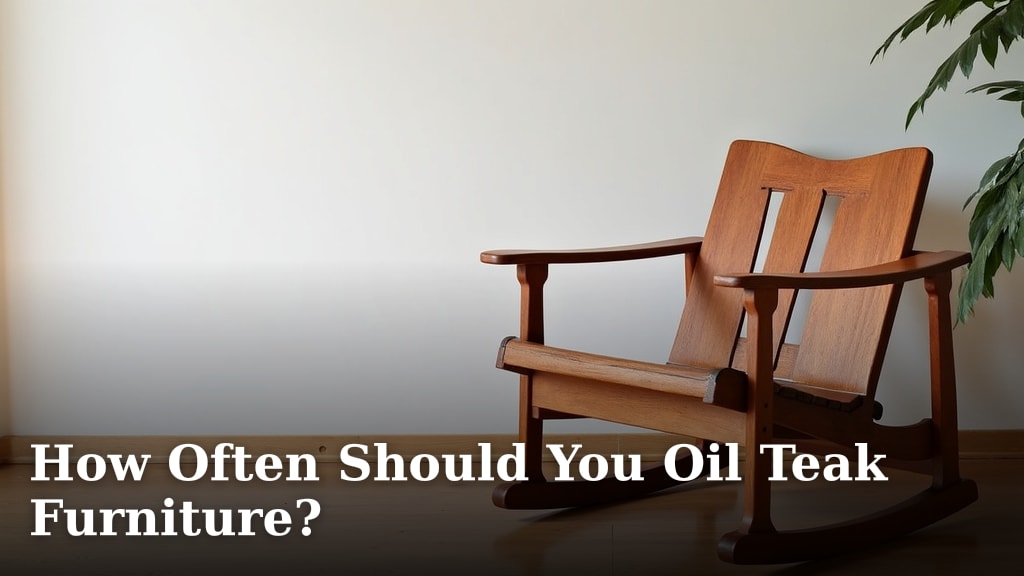
Woods like teak, cedar, and acacia are popular for their natural beauty. Teak, for example, develops a lovely silvery patina over time and is naturally resistant to rot (Mayo Clinic).
However, all wood benefits from sealing or oiling to prevent cracking and fading. You should also consider using furniture covers during harsh weather to protect its finish.
Metal Furniture Protection
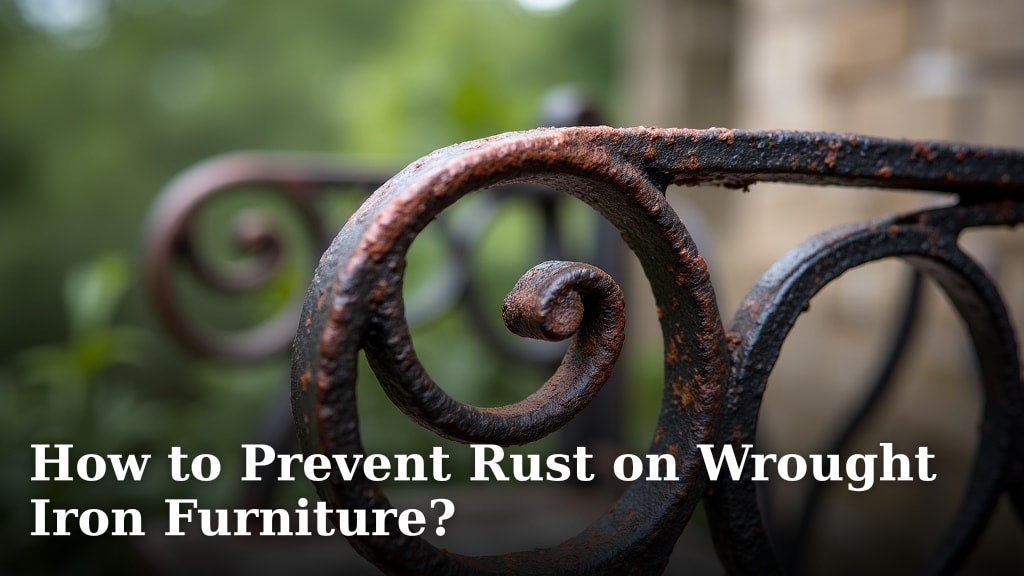
Aluminum is lightweight and doesn’t rust, making it a great outdoor choice. Steel and wrought iron, conversely, can rust if their protective powder coating chips or wears away.
Many experts say to periodically inspect metal furniture for scratches. Touch up any exposed metal quickly to prevent rust from spreading, especially after a rainy season.
Wicker and Resin Considerations
Natural wicker, made from rattan, will degrade quickly in direct sun and rain. Resin wicker, however, is a synthetic material designed to be UV-resistant and waterproof.
Even with resin, prolonged sun exposure can cause fading or brittleness. Gentle cleaning and covers can significantly prolong its vibrant look.
Fabric and Cushion Handling
Most outdoor cushions are made with weather-resistant fabrics like solution-dyed acrylic, which resists fading and mildew. But “weather-resistant” doesn’t mean “weather-proof.”
Bring cushions indoors during heavy rain or when not in use. This simple step prevents them from getting waterlogged, which can lead to mold and a shorter lifespan.
The Harsh Realities of Weather
Nature is beautiful, but it can be tough on your outdoor furniture. Each element brings its own set of challenges, from bright sun to freezing cold.
Understanding these challenges helps you prepare your patio pieces for their outdoor life.
Sun’s Silent Damage
The sun’s UV rays are a primary culprit for furniture damage. They can cause colors to fade, plastics to become brittle, and wood to crack.
Think of it like leaving a photograph in direct sunlight; over time, the vibrant colors just drain away. Regular protection helps your furniture maintain its original appeal.
Rain and Moisture Threats
Rain, dew, and humidity contribute to a host of problems. They encourage rust on metal, rot on wood, and mildew growth on fabrics and surfaces.
Persistent moisture is particularly bad for upholstered items. Even weather-resistant fabrics can develop mildew if they stay damp for too long, creating an unpleasant smell and look.
Wind’s Wear and Tear
A strong gust of wind can easily tip over lightweight furniture, causing scratches, dents, or even broken parts. Loose items like cushions can also blow away.
Securing your furniture, perhaps by weighting it down or arranging it in a sheltered spot, offers a simple defense against windy surprises.
Winter Woes for Your Wares
Freezing temperatures and snow pose unique threats. Moisture trapped in cracks can freeze, expand, and cause further damage to materials like wood and some plastics.
Heavy snow loads can also deform or break lightweight frames. Proper winterization is important to avoid cold-weather damage.
Smart Storage Solutions
Even if your furniture lives outside, smart choices can make a huge difference in its longevity. It’s about being proactive, not reactive, to the weather.
We found that simple practices can greatly extend the life of your outdoor pieces.
Using furniture covers made from breathable, waterproof material is a top recommendation. Make sure they fit snugly but allow for some airflow to prevent condensation and mildew underneath.
When wind is a concern, consider tying down larger pieces or arranging them in a corner or against a wall. Heavier items are naturally more stable, but even they can be moved by powerful gusts.
Elevating furniture off the ground, even slightly, helps prevent water from pooling around the legs. This is especially good for wood and metal pieces to reduce rot and rust risks.
- Clean regularly: Wipe down surfaces to remove dirt and pollen.
- Check for damage: Look for rust spots, cracks, or loose fittings often.
- Apply protectants: Use UV sprays or sealants based on material needs.
- Store cushions inside: Bring cushions and pillows indoors when not in use.
- Rotate furniture: Even out sun exposure by occasionally changing positions.
Winterizing Your Outdoor Retreat
As the leaves change, your thoughts might turn to protecting your patio furniture. What’s the best approach when cold weather settles in?
Preparing your pieces for winter can prevent costly repairs or replacements later.
When to Bring Things In
If temperatures regularly drop below freezing, or if your region experiences heavy snow, bringing certain items indoors is ideal. This applies especially to natural wicker, any furniture with intricate glass, or pieces with delicate finishes.
A garage, shed, or even a spare room can offer a safe haven, protecting them from extreme cold and moisture.
Covering Your Assets Properly
For items that must stay outside, invest in high-quality, heavy-duty covers. These should be waterproof, UV-resistant, and ideally have vents to prevent moisture buildup.
Ensure the covers fit well and are secured tightly, so they don’t blow off in winter storms. This layer of protection is your furniture’s first line of defense.
Small Items and Cushions
Always bring cushions, throw pillows, and any smaller decorative items inside. These are most susceptible to mold, mildew, and general weather damage.
Store them in a dry, climate-controlled area. This simple act saves their fabric from cracking, fading, and the damp smell of winter.
The Great Outdoor Storage Comparison
Different materials handle the elements differently. This table offers a quick guide to help you decide how much protection each type of furniture might need.
Remember, even the most durable materials benefit from a little extra care.
| Material Type | Best For Staying Outside | Worst For Staying Outside | Key Protection Tips |
|---|---|---|---|
| Aluminum | Rain, humidity (no rust) | Strong winds (lightweight) | Tie down, regular cleaning |
| Teak Wood | Rain (natural oils) | Extreme sun (fading) | Periodic oiling, covers |
| Resin Wicker | Rain, moderate sun | Intense, prolonged UV (brittleness) | Wash regularly, use covers |
| Wrought Iron | Wind (heavy), moderate sun | Rain, humidity (rust) | Check for chips, rust-proof paint |
| Outdoor Fabric (Cushions) | Mild sun, light rain | Heavy rain, constant dampness, freezing | Store indoors, use waterproof covers |
Your Seasonal Patio Checklist
Having a quick checklist can help you stay on top of furniture maintenance. A little prevention goes a long way in keeping your patio oasis beautiful.
Regular check-ups ensure your furniture stands the test of time and weather.
- Clean all surfaces thoroughly before storage.
- Apply any necessary sealants or rust treatments.
- Ensure all cushions and fabrics are completely dry.
- Invest in snug, breathable furniture covers for outdoor storage.
- Secure lightweight items against strong winds.
- Consider bringing delicate or easily damaged pieces indoors.
Conclusion
Yes, storing patio furniture outside is entirely feasible and expected for most pieces. The trick is to understand your furniture’s material and offer it the right kind of protection against Mother Nature’s moods.
By following these practical steps, from choosing the right covers to simple seasonal cleanings, you can keep your outdoor living space looking inviting and well-maintained for years to come. Your patio pieces are an investment, and a little care ensures they remain a delightful spot for relaxation.
Can all types of patio furniture be stored outside year-round?
Not all types. While many materials like aluminum and resin wicker are highly durable, natural wood, certain metals like wrought iron, and all fabric cushions benefit greatly from being stored indoors or under heavy-duty covers during extreme weather, especially winter.
Do I need special covers for outdoor furniture?
Yes, investing in high-quality, breathable, and waterproof covers is highly recommended. These covers protect against UV damage, rain, dust, and debris, helping to extend the life and appearance of your furniture.
How often should I clean my outdoor furniture if it stays outside?
We found that cleaning your outdoor furniture at least once a month, or more often if it’s exposed to heavy use or pollution, helps prevent dirt buildup and mildew. A gentle wash with soap and water is often sufficient for most materials.
Will leaving my patio furniture outside void its warranty?
This depends on the manufacturer’s warranty. Many warranties cover defects but may exclude damage from improper storage or lack of maintenance. Always review your furniture’s specific warranty terms to understand their requirements for outdoor storage.
What’s the biggest threat to patio furniture left outside?
Many experts say the biggest threat is often a combination of prolonged UV exposure and moisture. UV rays cause fading and material degradation, while constant dampness leads to mold, mildew, rust, and rot, significantly shortening the furniture’s lifespan.