How To Reupholster Patio Cushions?
To reupholster patio cushions, you typically need to remove the old fabric, use it as a pattern to cut new outdoor-grade fabric, sew the new covers, and then reinsert the cushion foam. For more on this project, see our guide to patio chairs.
This process gives your outdoor furniture a fresh look and extends its life without the expense of buying entirely new cushions.
- Reupholstering patio cushions is a practical way to save money and refresh your outdoor space.
- You’ll need specific tools and durable outdoor fabric designed for weather resistance.
- The process involves carefully disassembling old cushions, cutting new fabric, and precise sewing.
- Consider adding zippers for easier future cleaning and maintenance.
- Regular care of your newly upholstered cushions will ensure they last many seasons.
How To Reupholster Patio Cushions?
Reupholstering patio cushions means giving your outdoor seating a complete makeover with new fabric and a fresh look. For more on this project, see our guide to patio furniture.
It’s a rewarding DIY project that adds comfort and style back to your patio furniture.
Why Reupholster Your Patio Cushions?
Have your patio cushions seen better days? Maybe the sun has faded them, or they just look tired.
Reupholstering offers a fantastic way to breathe new life into your outdoor living area without breaking the bank.
Cost Savings Versus Buying New
Buying new, high-quality patio cushions can get pretty expensive, right?
We found that reupholstering often costs a fraction of the price, especially if your foam inserts are still in good shape.
You’re essentially getting new cushions for the cost of fabric and a little effort.
Sustainability and Eco-Friendliness
Thinking about the environment? Giving your old cushions a new cover is a wonderful way to practice sustainability.
It keeps perfectly good foam out of landfills and reduces the demand for new manufacturing.
Many experts say this is a simple step we can all take to reduce waste.
Personalized Style and Comfort
This is your chance to get creative and truly personalize your patio. Can you imagine choosing any fabric you love?
You can match your outdoor decor perfectly or even experiment with bold new patterns and colors.
Plus, you get the satisfaction of knowing you made them yourself.
What You’ll Need: Tools and Materials
Before you dive in, gathering your supplies makes the whole process smoother. What will you grab first?
Having everything ready prevents frustrating pauses in your project.
- Outdoor fabric (UV, water, and mildew resistant)
- Strong sewing machine with heavy-duty needle
- Matching outdoor thread
- Measuring tape and fabric scissors
- Seam ripper
- Chalk or fabric marker
- Zipper (optional, but recommended)
- Cushion foam (if replacing)
- Spray adhesive (if working with foam)
Choosing the Right Outdoor Fabric
The fabric choice is super important here. It’s not just about looks; it’s about enduring the elements, isn’t it?
Outdoor fabrics need to stand up to sun, rain, and sometimes even a little mildew.
| Fabric Type | Pros | Cons | Best Use |
|---|---|---|---|
| Acrylic (e.g., Sunbrella) | Excellent UV resistance, colorfast, soft feel | Can be pricey upfront | Sunny, high-traffic areas |
| Polyester | Good value, some UV resistance, often water-resistant | May fade faster than acrylic in direct sun | Covered patios, seasonal use |
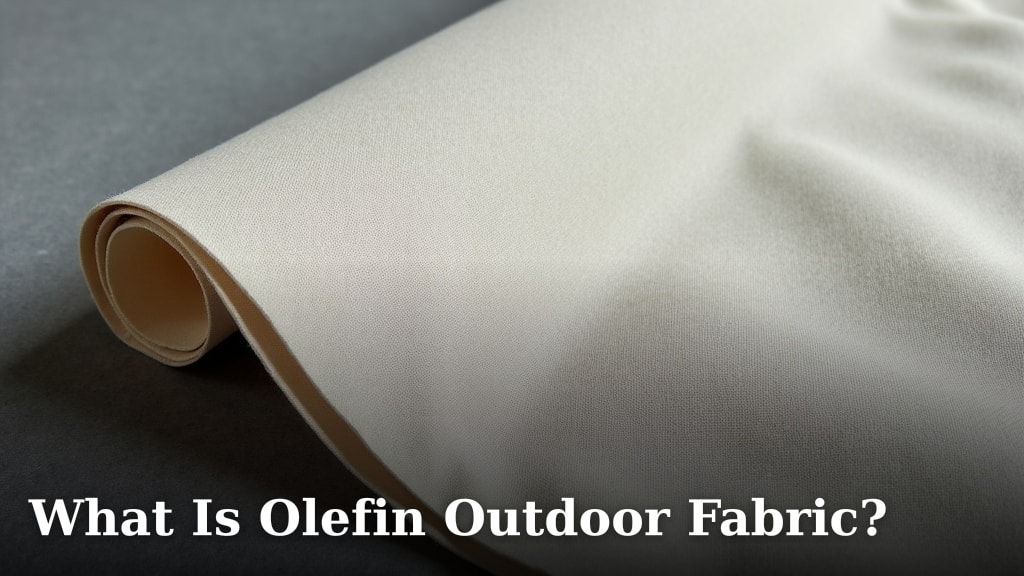
| Olefin | Good UV and moisture resistance, durable, budget-friendly | Less soft than acrylic, can get warm in direct sun | General outdoor use, family-friendly |
Sunlight and UV Resistance
The sun can be brutal on fabrics, causing colors to fade quickly. Research often shows that fabrics specifically designed for outdoor use contain UV inhibitors (Textile Research Journal).
Look for terms like “UV stable” or “fade-resistant” when shopping.
Water Repellency and Mildew Protection
Rain happens! You’ll want fabric that sheds water quickly and resists mildew. Many outdoor fabrics are treated to be water-repellent.
This helps prevent moisture from soaking into your foam, which can lead to nasty smells and deterioration.
Durability for Outdoor Life
Your cushions will get sat on, moved around, and exposed to all sorts of things. A durable fabric resists tears and abrasions.
It’s about finding that sweet spot between durability and comfort, isn’t it?
Step-by-Step Guide to Reupholstering
Ready to start the transformation? Here’s a clear path to follow.
Don’t worry, we’ll walk through each part together.
Prepping Your Old Cushions
First, carefully remove the old cover from your cushion foam. Take pictures as you go; these will be your guides later.
Gently use a seam ripper to take apart the old cover. This way, you’ll have perfect pattern pieces for your new fabric.
Clean your foam inserts thoroughly and let them dry completely before putting on new covers.
Measuring and Cutting New Fabric
Lay out your new outdoor fabric on a large, flat surface. Place your old pattern pieces on top, aligning them with the fabric grain.
Use your fabric marker or chalk to trace around each piece, adding a seam allowance (usually 1/2 inch to 1 inch) all around.
Carefully cut out all your new fabric pieces with sharp fabric scissors.
Sewing the Cushion Covers
With your sewing machine, stitch the fabric pieces together, remembering to sew with the right sides of the fabric facing each other.
Take your time, use strong outdoor thread, and make sure your seams are straight and secure.
Many guidelines point to a strong straight stitch and then a zig-zag or serged edge for durability (Sewing Guild best practices).
Adding Zippers or Enclosures
Adding a zipper is a genius move for future maintenance. It lets you easily remove covers for cleaning.
Insert your zipper into one of the long seams before fully closing the cover. Alternatively, you could use Velcro closures or ties.
Stuffing Your New Cushions
Once your cover is sewn (leaving the zipper open, of course!), it’s time to insert the foam.
Fold the foam slightly and gently ease it into the new cover. Take your time to push it into the corners.
Smooth out any wrinkles and zip it up. Doesn’t that feel great?
Tips for a Professional Finish
Want your cushions to look like they came straight from a store?
These little tricks make a big difference.
- Iron your fabric: Pressing your fabric before cutting helps ensure accuracy.
- Use piping: Adding piping along the edges gives a very tailored, high-end look.
- Double-stitch seams: For extra strength, especially on stress points, sew your seams twice.
- Test stitches: Always test your stitch length and tension on a scrap piece of your new fabric first.
- Trim excess fabric: After sewing, trim the seam allowances to reduce bulk, especially in corners.
Maintenance for Your Newly Upholstered Cushions
You’ve put in the work, so let’s keep those beautiful cushions looking fresh. A little care goes a long way.
Regular cleaning and proper storage can significantly extend their lifespan.
Simply wipe them down with a mild soap solution and rinse occasionally. For winter, store them in a dry, covered area.
Conclusion
Reupholstering your patio cushions is more than just a DIY task; it’s an investment in your outdoor comfort and style. For more on this project, see our guide to patio chair cushions. By choosing durable fabrics and following these steps, you’ll create beautiful, long-lasting cushions.
You’ll enjoy a personalized outdoor space, save money, and contribute to a more sustainable lifestyle. Go on, give your patio the fresh look it deserves!
How long does it take to reupholster patio cushions?
The time it takes to reupholster patio cushions really varies. For more on this project, see our guide to patio furniture cushions. For a beginner, a single standard cushion might take 2-4 hours, including prepping and sewing. With practice, you can get much faster, completing cushions in under an hour each.
Is it cheaper to reupholster or buy new patio cushions?
Generally, reupholstering is significantly cheaper than buying new, especially for high-quality, custom-sized cushions. The main cost is the fabric itself, which is usually less than a full set of new cushions. This assumes your foam inserts are still in good condition.
What is the best fabric for outdoor cushions?
Acrylic fabrics, like Sunbrella, are widely considered the best for outdoor cushions due to their exceptional UV resistance, durability, and ability to repel water and resist mildew. Olefin and some outdoor-grade polyesters are also good, more budget-friendly options.
Can I reupholster cushions without a sewing machine?
While a sewing machine makes the job much easier and faster, you can reupholster cushions by hand. You would need a strong needle, outdoor thread, and patience for hand-stitching all the seams. Some no-sew methods use fabric glue or ties, but these might not offer the same durability.
How do I clean patio cushion foam inserts?
To clean patio cushion foam inserts, remove them from their covers. Mix a mild detergent with water and gently scrub the foam using a soft brush. Rinse thoroughly with clean water, squeezing out as much water as possible. Allow the foam to air dry completely in a well-ventilated area before putting on new covers.