How To Protect Patio Furniture In Winter?
To protect patio furniture in winter, you should clean it thoroughly, ensure it is completely dry, and then either store it indoors or cover it with high-quality, weather-resistant covers designed for outdoor use.
Proper winter preparation helps extend the life of your furniture, prevents damage from harsh weather, and keeps it looking great for seasons to come, saving you money and effort.
- Clean all furniture thoroughly before winter storage.
- Ensure items are bone-dry to prevent mold and mildew.
- Store cushions and fabrics indoors in a dry, safe place.
- Cover large pieces with durable, breathable, waterproof covers.
- Consider storing smaller or more delicate items indoors entirely.
How To Protect Patio Furniture In Winter?
Protecting patio furniture in winter involves a mix of cleaning, proper storage, and using suitable covers to shield it from harsh elements.
This careful approach helps maintain its condition and readiness for spring.
Why Winter Protection Matters So Much
Leaving your patio furniture exposed to winter weather can lead to several problems.
Think about rain, snow, ice, and even harsh winds—they all take a toll.
Without protection, you might face issues like rust, fading, cracking, or mold growth.
Many experts say that preventing damage is far easier and less costly than replacing items (The Old Farmer’s Almanac).
The First Crucial Step: Cleaning
Before you do anything else, give your furniture a good clean.
Remove all dirt, dust, and grime that built up during warmer months.
A simple wipe-down with mild soap and water often does the trick.
For tougher spots, we found that a soft brush or sponge works wonders.
Drying is Non-Negotiable
After cleaning, make sure every piece is completely dry.
Moisture trapped under covers or in crevices is an open invitation for mold and mildew.
Allow furniture to air dry fully in the sun, or use towels to speed up the process.
This step might seem small, but it’s incredibly important.
Understanding Furniture Materials and Their Needs
Different materials require different care during winter.
What works for wood might not be ideal for metal, for example.
Let’s look at some common types.
Wood Furniture: A Natural Beauty
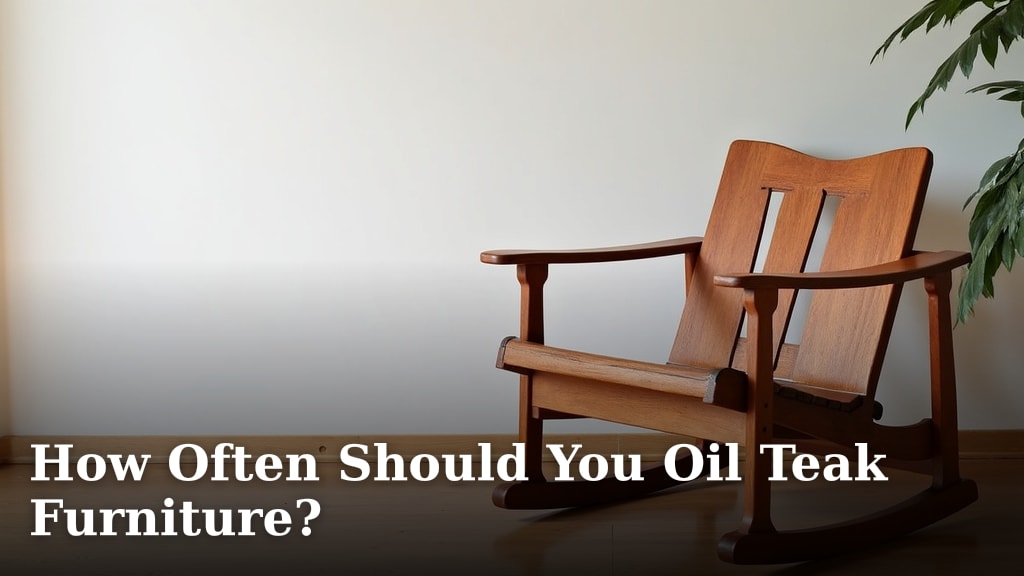
For wooden pieces like teak, cedar, or acacia, consider a protective oil or sealant.
This extra layer helps repel water and prevents cracking.
Many guidelines point to regular oiling as a good first step for longevity (Real Simple).
After treatment, store wood furniture indoors if you can, or cover it well.
Metal Furniture: Rust is the Enemy
Wrought iron, aluminum, and steel pieces are common on patios.
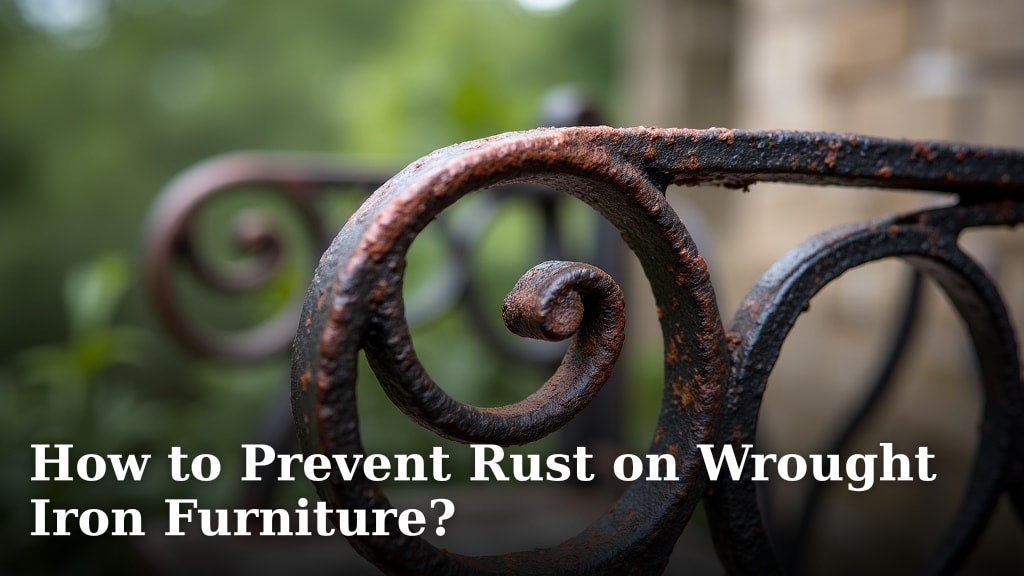
The biggest threat here is rust, especially for iron and steel.
Clean metal frames, then check for any chips in the paint or finish.
Touch up these spots with rust-inhibiting paint to seal them.
Wicker and Rattan: Keep Them Dry
Natural wicker and rattan are delicate and can warp or break if they get too wet.
Synthetic wicker, on the other hand, is much more resilient.
Regardless of the type, cleaning them gently is key.
Storing these pieces indoors is always the best option if space allows.
Cushions and Fabrics: Indoors, Always
Patio cushions, throw pillows, and umbrellas are easy targets for winter damage.
Bring them inside without question.
Wash cushion covers if needed, ensure they are totally dry, then store them in a cool, dry place.
A plastic storage bin can protect them from dust and pests.
Storing Versus Covering: A Quick Comparison
You have two main paths for winterizing: storing indoors or covering outdoors.
Each has its own benefits and drawbacks.
| Protection Method | Pros | Cons |
|---|---|---|
| Storing Indoors | Offers maximum protection from all elements. Extends furniture life most effectively. | Requires available indoor space (garage, shed, basement). Can be labor-intensive to move. |
| Covering Outdoors | Convenient; less heavy lifting. Protects from rain, snow, dirt. | Less protection from extreme cold or curious animals. Covers can wear out over time. |
Choosing the Right Patio Furniture Covers
If you opt for outdoor covering, don’t just grab any tarp.
The right cover makes all the difference.
Material Matters for Covers
Look for covers made from durable, waterproof, and breathable materials.
Polyester with a PVC backing or laminated fabric often works well.
Breathable covers help prevent moisture buildup underneath, which stops mold.
Many experts recommend covers that resist UV rays too (Good Housekeeping).
Fit and Fasten Securely
Ensure your covers fit snugly but aren’t too tight.
A cover that’s too loose can flap in the wind, causing abrasion or blowing away.
Look for features like elastic hems, drawstrings, or buckle straps.
These help keep the cover in place during windy winter storms.
A Quick Winterizing Checklist
Here’s a simple checklist to guide you through the process:
- Clean all furniture thoroughly.
- Dry everything completely.
- Treat wood with oil or sealant.
- Touch up any chipped metal paint.
- Bring cushions, fabrics, and small decor indoors.
- Cover larger furniture pieces with quality covers.
- Secure covers tightly to withstand wind.
- Consider moving delicate items to a garage or shed.
Common Mistakes to Avoid
Even with good intentions, sometimes we make small errors.
One big mistake is covering wet furniture; always dry it first!
Another is using flimsy covers that tear easily or don’t breathe.
Forgetting to secure covers can lead to them becoming useless in a storm.
Conclusion
Protecting your patio furniture for winter is more than just a chore; it’s an investment in your outdoor living space.
By taking a little time now to clean, dry, treat, and either store or cover your pieces, you’re ensuring they’ll be ready and waiting for you next spring.
This proactive care saves you money and the hassle of replacements, letting you enjoy your outdoor oasis for years to come.
Are plastic tarps good for covering patio furniture?
While plastic tarps offer water resistance, they often lack breathability. This can trap moisture underneath, potentially leading to mold, mildew, or rust. High-quality, breathable fabric covers with vents are generally a better choice for long-term protection.
Should I bring all my patio furniture indoors?
Ideally, bringing all patio furniture indoors offers the best protection from harsh winter elements. However, if space is limited, prioritize bringing in cushions, textiles, and delicate items. Larger, more robust pieces can often be covered outdoors effectively.
How do I prevent rust on metal patio furniture during winter?
To prevent rust, first clean metal furniture and allow it to dry completely. Inspect for any scratches or chips in the paint and touch them up with a rust-inhibiting paint. Applying a wax or sealant can also add an extra layer of protection before covering or storing.
Can I stack patio chairs to save space when covering them?
Yes, you can often stack patio chairs to save space, especially if they are designed to be stackable. Just be sure to place a soft cloth or pad between each chair to prevent scratching. Then, cover the entire stack with a single, appropriately sized furniture cover.
What should I do if my patio furniture covers get moldy?
If your covers develop mold, clean them thoroughly with a solution of mild soap and water, or a specialized outdoor fabric cleaner. Rinse well and allow them to air dry completely in the sun before reapplying or storing. This often indicates a need for better ventilation or more thorough drying of the furniture before covering.