Is Patio Furniture Waterproof?
Patio furniture is rarely 100% waterproof. Most pieces are designed to be water-resistant, meaning they can repel water for a time, but not withstand prolonged exposure or submersion without issue.
Understanding this distinction helps you choose and care for your outdoor furniture, ensuring it lasts through various weather conditions.
- Outdoor furniture is mostly water-resistant, not fully waterproof.
- Materials like treated wood, aluminum, and certain fabrics handle moisture well.
- Prolonged rain or standing water can still cause damage over time.
- Regular cleaning and protective covers are key for durability.
- Always check product descriptions for specific water resistance ratings.
Is Patio Furniture Waterproof?
No, most patio furniture is not truly waterproof in the way a submarine is. It’s built to be water-resistant and handle typical outdoor moisture, but not prolonged saturation.
Understanding Water-Resistant vs. Waterproof
This difference is a big deal when you’re thinking about outdoor items. Imagine a raincoat versus a diving suit. Your raincoat keeps you dry in a shower, but you wouldn’t dive into a pool with it, right?
Water-resistant means the material can resist water penetration to some degree. It will shed light rain or splashes. Think of it as a protective shield for normal weather.
Waterproof means no water can get through, no matter what. It’s an absolute barrier, even under pressure or long-term exposure. Very few furniture items achieve this level of protection.
Common Patio Furniture Frame Materials and Water Resistance
The frame is the backbone of your furniture. Its material largely determines how well it stands up to the elements.
Aluminum Frames: A Great Outdoor Choice
Aluminum is a superstar for outdoor furniture. It naturally resists rust and corrosion, which is why you see it everywhere.
Many aluminum frames are powder-coated, adding another layer of defense against moisture and scratches. We found that aluminum is a top choice for durability in various climates.
Steel and Iron Frames: Strong but Need Care
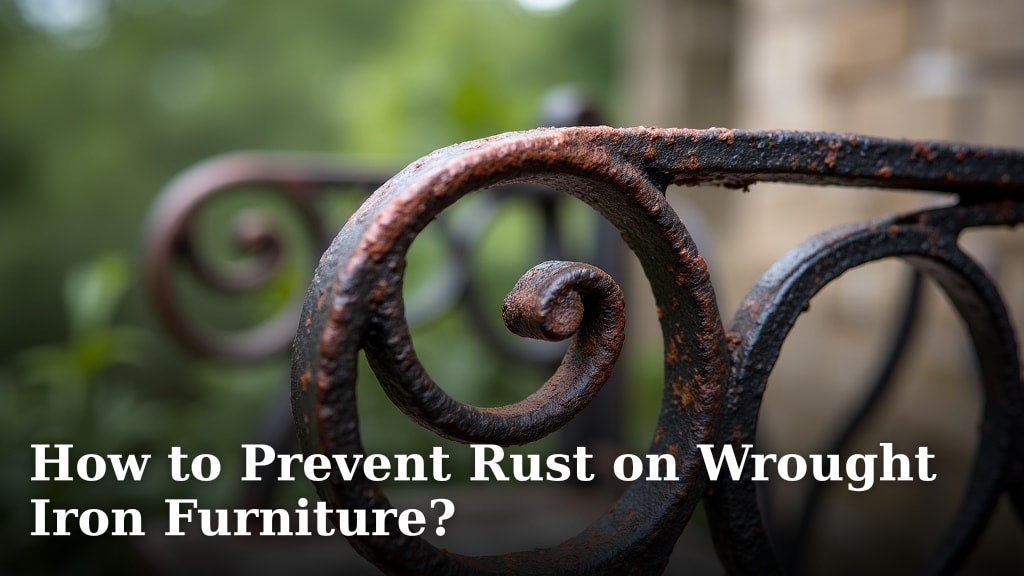
Steel and wrought iron are incredibly strong and offer a classic look. However, they are prone to rust if not treated properly.
These frames often come with protective coatings. You’ll want to inspect these regularly for chips or scratches. Many experts say touch-up paint can prevent rust from spreading (Consumer Reports).
Wicker and Rattan: Natural vs. Synthetic
Natural wicker or rattan, made from plant fibers, can be beautiful but are not good with constant moisture. They can warp, rot, or grow mildew if left wet.
Synthetic wicker (resin wicker) is a game-changer. It’s made from plastic materials that are highly resistant to water, fading, and mildew. It gives you the look without the worry.
Wood Furniture: A Natural Beauty, With Conditions
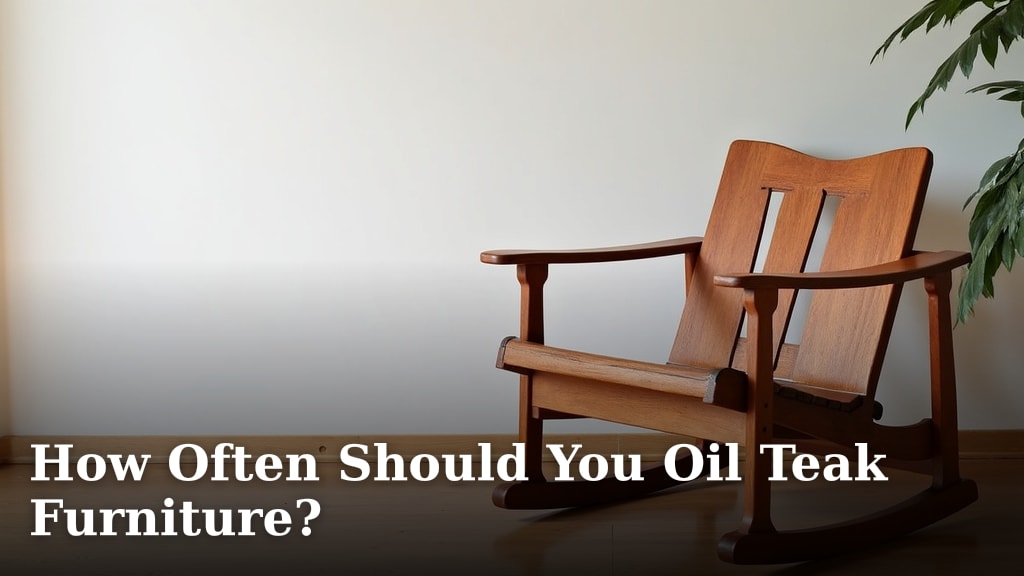
Wood like teak, cedar, or acacia is naturally rich in oils, giving it some inherent water resistance. Teak, for instance, is renowned for its ability to withstand outdoor conditions.
Other woods need regular sealing or treatment to repel water and prevent rot or warping. Think of it as sunscreen for your furniture – necessary for long-term health.
Cushions and Fabric: The Soft Side of Water Resistance
Your cushions are often the most exposed part of your furniture. What are they made of?
Outdoor Fabric Types: Not All Are Equal
Most quality outdoor cushions use fabrics like acrylic or polyester that have been specially treated. These are designed to shed water quickly and resist mildew.
Some fabrics are solution-dyed, meaning the color is part of the fiber, not just on the surface. This makes them incredibly fade-resistant, even in bright sun (textile research often points to this benefit).
Inner Cushion Material Matters Too
Even with a great fabric cover, the inner foam or fill can get wet. Many outdoor cushions use open-cell foam, which allows water to drain through quickly.
Some even have mesh bottoms to aid drainage. If water sits inside the cushion, you risk mildew and a soggy sitting experience. Nobody wants that!
Protecting Your Patio Furniture From the Elements
Even the toughest furniture needs a little help to stay pristine. Think of it as an extra layer of defense for your investment.
Furniture Covers: Your Best Defense
High-quality furniture covers are like a warm blanket for your pieces. They shield against rain, snow, UV rays, and even dust.
Look for covers that are breathable to prevent condensation underneath. We found that covers significantly extend the life of your furniture, especially in harsh climates.
Storing Cushions: Keep Them Dry
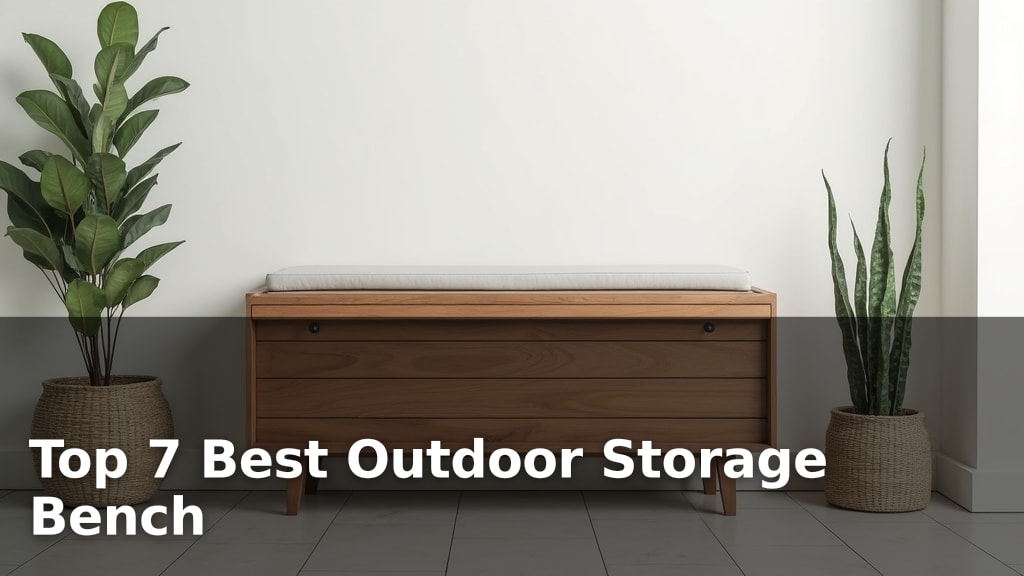
The simplest way to protect cushions is to bring them inside during heavy rain or when not in use. A storage box on your patio works wonders.
This prevents them from becoming waterlogged or a breeding ground for mildew. A little effort goes a long way here.
Regular Cleaning and Maintenance
Dirt and grime can trap moisture against your furniture. A quick wipe-down or light cleaning can prevent issues.
For wood, reapply sealants as recommended. For metals, check for rust spots and treat them promptly. This prevents small problems from becoming big headaches.
What Makes Patio Furniture Last Longer Outdoors?
Want your patio furniture to feel new for years? It comes down to a few key factors that work together.
Here’s a look at some common materials and their water resistance properties:
| Material Type | Water Resistance | Maintenance Tip |
|---|---|---|
| Aluminum | Excellent (Rust-proof) | Minimal; occasionally wipe clean. |
| Powder-Coated Steel/Iron | Good (Rust-resistant coating) | Inspect for chips, touch up as needed. |
| Synthetic Wicker (Resin) | Excellent (Mildew/fade-resistant) | Wash with mild soap and water. |
| Natural Wood (Teak, Cedar) | Good (Natural oils) | Periodic oiling or sealing for longevity. |
| Outdoor Fabrics (Acrylic) | Very Good (Water-repellent) | Spot clean; store cushions when not in use. |
Checklist for Optimal Patio Furniture Care
Before winter storms or summer downpours hit, take a moment to review this quick checklist:
- Cover furniture during heavy rain or off-season.
- Store cushions in a dry place when not in use.
- Clean furniture frames regularly to remove dirt and debris.
- Check metal frames for any signs of rust or chipped paint.
- Reapply wood sealants or treatments as needed.
- Ensure cushions have good drainage or can dry quickly.
Conclusion
While few pieces are truly waterproof, most patio furniture is expertly designed to be highly water-resistant. Your job is to understand these distinctions and provide proper care.
By choosing materials wisely and following simple maintenance steps, you can keep your outdoor oasis looking fantastic for many seasons. Remember, a little attention goes a long way in protecting your outdoor investment.
Is resin wicker completely waterproof?
No, while resin wicker is highly water-resistant and won’t rot or rust, the inner frame (often aluminum) might have drainage holes, and cushions placed on top are usually just water-repellent. It can handle moisture very well but isn’t 100% impervious to water getting everywhere.
Can I leave my patio furniture cushions out in the rain?
You can leave many outdoor cushions out for light rain, as they are designed to shed water and dry quickly. However, for heavy downpours or extended periods, it’s always best to bring them indoors or put them in a dry storage box to prevent saturation and potential mildew growth.
How do I make my existing patio furniture more water-resistant?
You can increase water resistance by applying a fabric protectant spray to cushions, ensuring wooden frames are regularly sealed, and using waterproof covers when the furniture isn’t in use or during bad weather. Regular cleaning also helps maintain factory coatings.
What is the most water-resistant material for outdoor furniture frames?
Aluminum is widely considered the most water-resistant frame material because it naturally resists rust and corrosion. Powder-coated aluminum offers an even better defense against the elements, making it ideal for various outdoor environments.
Does water damage void patio furniture warranties?
It depends on the specific warranty. Many warranties cover manufacturing defects but might exclude damage from improper care, extreme weather, or prolonged exposure to water if you didn’t follow recommended maintenance. Always read your warranty document carefully.