How Do You Keep Patio Furniture Clean?
To keep patio furniture clean, regularly brush off loose dirt, then wash surfaces with a mild soap solution and a soft brush or cloth. Rinse thoroughly and allow to air dry completely to prevent mildew.
For tougher stains or specific materials, you may need specialized cleaners, but basic maintenance with household items makes a big difference in maintaining your outdoor pieces.
TL;DR: Keep your patio furniture looking great without much fuss!
- Regular wiping prevents dirt buildup.
- Use mild soap and water for most materials.
- Address spills quickly to avoid stains.
- Protect furniture from harsh weather when not in use.
- Store cushions indoors during rain or winter.
How Do You Keep Patio Furniture Clean?
Keeping your patio furniture clean means a longer life for your outdoor oasis. A simple routine and a few cleaning essentials make all the difference.
Why Clean Your Patio Furniture? More Than Just Looks
Think of your patio furniture as an extension of your indoor living room, just outside. It faces harsh elements, spills, and everyday use. Regular cleaning isn’t just about appearances; it also helps prevent material breakdown and extends its lifespan. If pets climb onto the seating, see our guide to keeping dogs off patio furniture for practical ways to protect it.
Dust, pollen, bird droppings, and even general grime build up over time. This can cause discoloration, mildew, and corrosion if left unchecked (Environmental Protection Agency).
Gather Your Cleaning Arsenal
Before you begin, gather your tools. You’ll usually need a bucket, warm water, mild dish soap, soft cloths or sponges, and a soft-bristle brush. Sometimes, a hose with a spray nozzle is also helpful.
For specific materials, you might need a different product. Always check your furniture’s care instructions first. When in doubt, start with the gentlest method.
The General Approach: Your First Line of Defense
No matter the material, a few steps are universal. You should always start by removing any loose debris. This simple first step prevents scratching and makes deeper cleaning much easier.
Next, prepare your cleaning solution. Most patio furniture benefits from a mixture of warm water and a small amount of mild dish soap. This gentle solution works wonders without damaging surfaces.
Basic Cleaning Steps for All Materials
Ready to tackle that grime? Here’s your straightforward guide:
- Brush it Off: Use a dry, soft brush or a vacuum with an attachment to remove loose dirt, leaves, and cobwebs.
- Wipe it Down: Dip a soft cloth or sponge into your mild soap solution. Wipe down all surfaces thoroughly.
- Scrub Gently: For tougher spots, use a soft-bristle brush. Remember to be gentle, especially on softer materials.
- Rinse Thoroughly: Rinse off all soap residue with clean water. You can use a hose on a low setting or a clean, damp cloth.
- Dry Completely: Let your furniture air dry in the sun, or wipe it down with a dry towel. This step is important to prevent water spots and mildew.
Cleaning Specific Patio Furniture Materials
Different materials need different care. Let’s look at how to treat some common types. See our guide to clean wicker patio furniture for more on this.
Plastic or Resin Furniture
Plastic and resin are often the easiest to clean. See our guide to keep white patio furniture clean for more on this. They are generally durable and resist many stains. A mild soap and water solution is often enough.
For stubborn dirt, a paste of baking soda and water can be gently applied. Let it sit for a few minutes, then scrub and rinse. We found that this natural abrasive works wonders without harsh chemicals.
Metal Furniture (Aluminum, Wrought Iron, Steel)
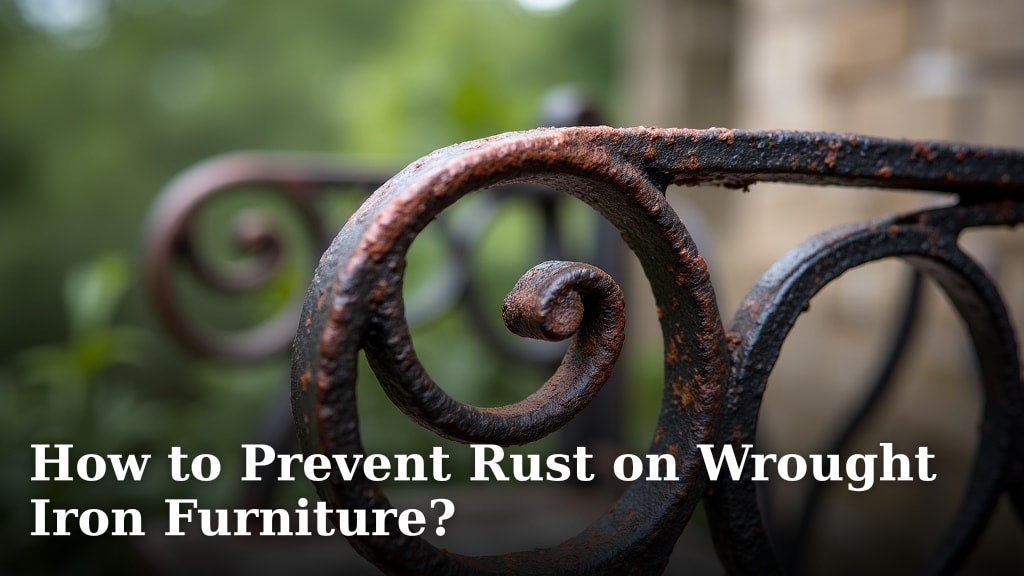
Metal furniture can be beautiful but needs attention to prevent rust. Aluminum is generally rust-resistant, but wrought iron and steel can rust if their protective coating is compromised.
Clean metal frames with soap and water, then dry thoroughly. For wrought iron, you might need to touch up paint chips to prevent rust. Many experts suggest using a car wax for aluminum to add a protective layer and shine.
Wood Furniture (Teak, Cedar, Painted Wood)
Wood furniture, especially teak and cedar, can weather beautifully, but regular cleaning helps maintain its integrity. Avoid abrasive cleaners that can strip natural oils or paint.
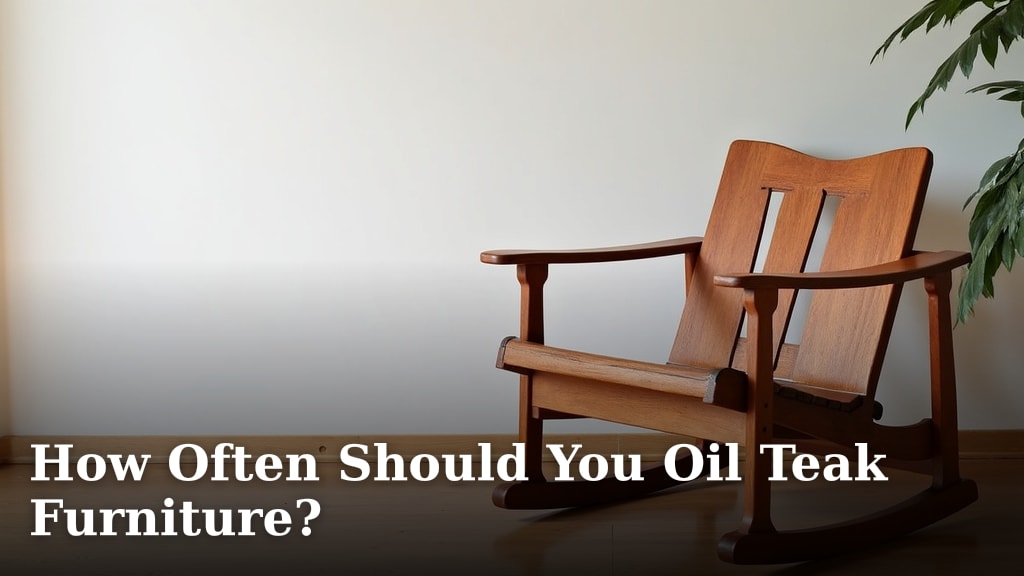
A soft brush and mild soap solution work for most wood types. For teak, special teak cleaners or oil treatments can restore its golden color. See our guide to clean teak patio furniture for more on this. For painted wood, be careful not to chip the paint while cleaning.
Fabric Cushions and Umbrellas
Fabric items are where mildew often appears. Always check labels first, as many cushions have removable, machine-washable covers. If not, spot cleaning is your go-to.
A solution of mild soap and water, or a specialized fabric cleaner, can be used with a soft brush. For mildew, many experts recommend a solution of one part white vinegar to one part water (Good Housekeeping Institute). Always test a small, hidden area first.
Table: Quick Cleaning Solutions by Material
Here’s a simple guide to common cleaning needs for your patio pieces.
| Material | Routine Cleaning | Tough Stain/Mildew |
|---|---|---|
| Plastic/Resin | Mild soap & water, soft cloth | Baking soda paste, gentle scrub |
| Aluminum | Mild soap & water, soft cloth | White vinegar & water (1:1) |
| Wrought Iron/Steel | Mild soap & water, dry well | Rust remover (use sparingly), touch-up paint |
| Wood | Mild soap & water, soft brush | Specialized wood cleaner, sanding (for deep stains) |
| Fabric (Cushions/Umbrellas) | Mild soap & water, spot clean | White vinegar & water (1:1) for mildew |
Beyond Basic Cleaning: Prevention is Key
Want to reduce your cleaning time? Prevention is a powerful ally. Keeping your furniture covered when not in use can block a lot of dirt, pollen, and UV damage.
Consider waterproof covers, especially for fabric items. Storing cushions indoors during heavy rain or the off-season dramatically reduces mildew and fading. A little planning now saves a lot of scrubbing later.
Protecting Your Investment
After cleaning, consider applying a protectant. For metal, a car wax can add a layer of defense against moisture. For wood, a sealant or oil can nourish the material and repel water. We found that these steps can make future cleanings even easier.
Quick Pre-Cleaning Checklist
Before you dive in, here’s a rapid review:
- Clear off all loose debris.
- Remove cushions and accessories.
- Test any new cleaning product on a hidden spot.
- Ensure you have all necessary tools.
- Pick a sunny, breezy day for quick drying.
Conclusion
Keeping your patio furniture clean isn’t a monumental task; it’s a series of simple, regular steps that maintain its beauty and extend its life. From quick wipes to targeted treatments, you have the power to keep your outdoor living space inviting and fresh.
Consistency is your best friend here. A little effort often prevents big cleaning jobs later. So, grab your bucket, a soft cloth, and enjoy the satisfaction of a sparkling clean patio. Your outdoor haven deserves that extra touch of care!
How often should I clean my patio furniture?
You should aim for a light cleaning every 1-2 weeks during peak season and a deeper clean at the start and end of the outdoor season. This routine prevents heavy buildup and keeps everything looking its best.
Can I use a pressure washer on my patio furniture?
Using a pressure washer is risky. While it might seem efficient, the high pressure can damage certain materials, especially wood, delicate fabrics, or even chip paint on metal. We recommend sticking to a garden hose with a spray nozzle or a bucket and sponge for safer cleaning.
What if my patio furniture has rust spots?
For minor rust spots on metal furniture, you can gently scrub them with a wire brush or steel wool. Then, clean the area, apply a rust-inhibiting primer, and touch up with paint designed for outdoor metal. For extensive rust, consider professional restoration or replacement.
How do I prevent mold and mildew on cushions?
To prevent mold and mildew, always dry cushions completely after rain or cleaning. See our guide to keep patio cushions clean for more on this. Store them in a dry place when not in use or during humid weather. If possible, choose cushions made from mildew-resistant fabrics like solution-dyed acrylic, which we found offers better protection.
Is there a natural way to clean patio furniture?
Absolutely! A simple mix of white vinegar and water (1:1 ratio) works as an effective, natural cleaner and disinfectant for many patio furniture materials, especially plastic, metal, and fabric. Baking soda paste can tackle tougher stains. Always rinse thoroughly with plain water afterward.