Does Patio Furniture Need To Be Covered In The Winter?
Yes, covering your patio furniture in the winter is almost always a good idea to protect it from harsh weather and prolong its life. See our guide to general patio furniture cover advice for more.
Even in milder climates, a cover shields your outdoor pieces from fading, dirt, and moisture that can cause damage over time.
Here’s a quick look at why winter covers are smart:
- Protection from the elements like snow, ice, and heavy rain.
- Prevents sun damage, even in winter, stopping fading and material degradation.
- Reduces wear and tear, meaning your furniture lasts much longer.
- Keeps your furniture cleaner, saving you cleaning time come spring.
- Maintains aesthetic appeal by avoiding rust, mildew, and cracks.
Does Patio Furniture Need To Be Covered In The Winter?
You absolutely should consider covering your patio furniture for winter to keep it in top condition.
This simple act can significantly extend the lifespan of your outdoor investment, saving you money and hassle in the long run.
Think of winter covers as a warm coat for your outdoor items. They provide a vital layer of defense against the seasonal onslaught of cold, wet, and windy conditions. Without this protection, your beautiful patio set is left vulnerable to many forms of damage.
Many experts we found recommend covering all types of patio furniture when not in regular use, especially during the colder months (Consumer Reports). See our guide to should patio furniture be covered for more on this.
Understanding Your Winter Weather
Your local climate plays a big role in how important covers are. Do you get heavy snow, freezing rain, or just chilly dampness?
A winter in sunny Florida looks very different from one in snowy Minnesota, right? Each type of weather brings its own challenges for your furniture.
Even seemingly mild winter sun can cause UV damage and fading over time. And consistent dampness, even without freezing, can lead to mold and mildew on cushions and frames.
Material Matters: What Needs the Most Protection?
Not all patio furniture materials are created equal when facing winter’s wrath. Some are tougher, while others need a bit more TLC.
Knowing your materials helps you decide how much protection is necessary. Let’s break down which common materials are most vulnerable.
Wood Furniture and Winter Woes
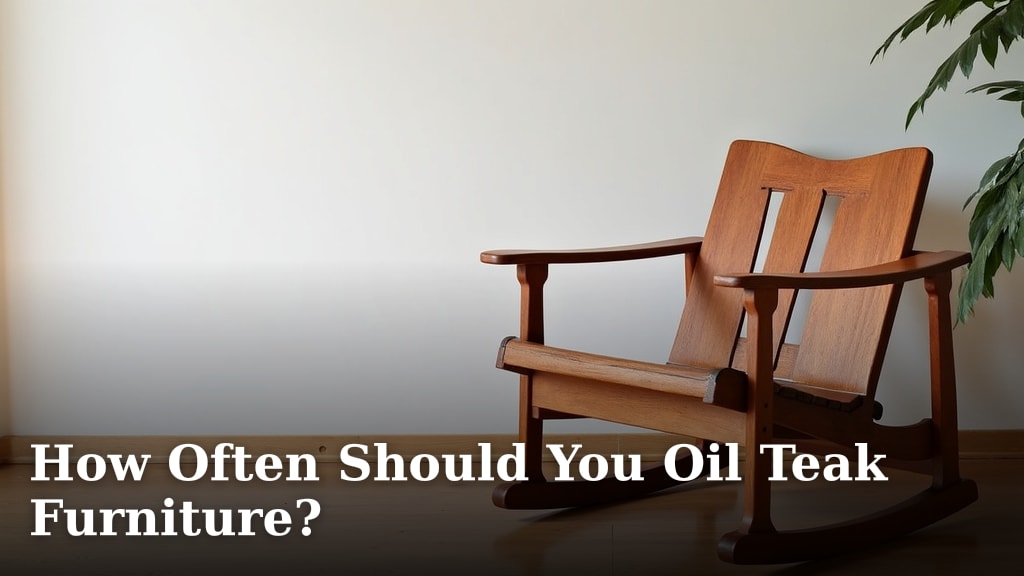
Wood, like beautiful teak or acacia, is susceptible to moisture. Water can cause it to swell, crack, or even rot over time.
Freezing and thawing cycles are especially harsh, expanding and contracting the wood, which leads to splits and weakened joints. Covering helps maintain its natural beauty and structural integrity.
Metal Furniture: Rust is the Enemy
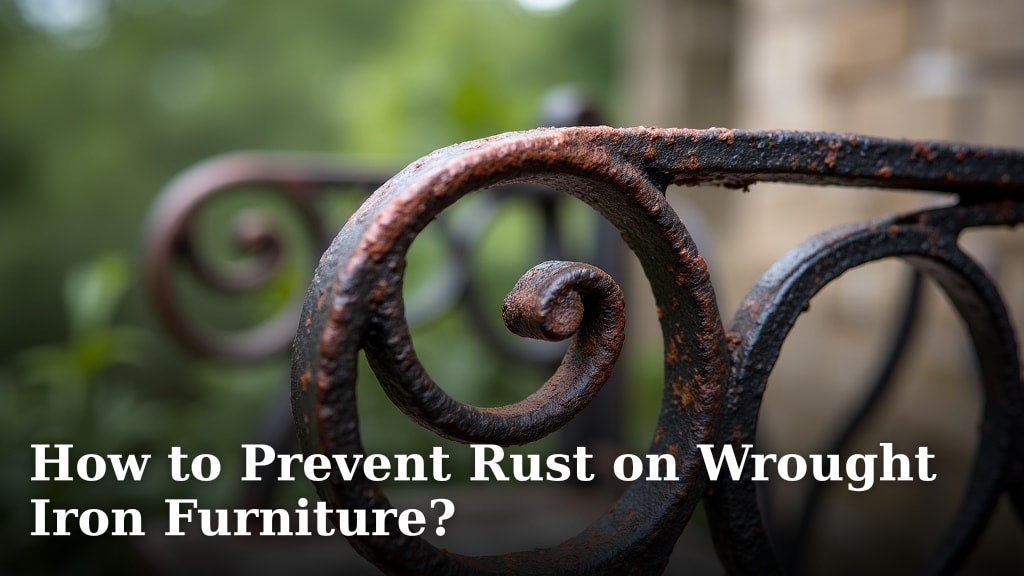
Wrought iron and steel furniture are classic, but they are prone to rust when exposed to moisture. Even aluminum, while rust-resistant, can corrode in salty or highly acidic environments.
A good cover helps keep these metals dry, preventing unsightly rust stains and preserving their finish. We found that proper covering can prevent costly rust treatment later (Gardening Know How).
Wicker & Fabric: Fading and Mildew Risks
Natural wicker can become brittle and crack in cold, dry air or with excessive moisture. Synthetic wicker is more durable but can still fade from UV rays and accumulate dirt.
Fabric cushions and slings are notorious for absorbing moisture, leading to mold, mildew, and stubborn stains. They also face significant fading from winter sun exposure.
Benefits of Covering Your Patio Furniture
Why go through the trouble? The advantages of using a good quality cover are clear and long-lasting.
- Extended Lifespan: Your furniture will simply last longer, delaying the need for replacements.
- Retained Appearance: Colors stay vibrant, and materials resist cracking or peeling.
- Easier Spring Cleanup: Less dirt, dust, and debris mean less scrubbing when spring arrives.
- Protection from Pests: Covers can deter spiders and other critters from making your furniture their winter home.
- Prevents Costly Repairs: Avoiding rust, rot, and mildew saves you from expensive restoration work.
Choosing the Right Cover
Selecting the right cover is key. It’s not just about throwing a tarp over everything. A good cover should be waterproof, breathable, and fit properly.
Look for covers made from durable, all-weather fabrics. Many experts suggest materials like heavy-duty polyester with a PVC backing for superior weather resistance (Good Housekeeping).
Key Features of a Good Cover
When you’re shopping for covers, keep an eye out for these important details:
Breathable vents help prevent moisture buildup and mildew underneath. Secure tie-downs or elastic hems keep the cover from blowing away on windy days. Handles or zippers can make them easier to put on and take off.
Make sure the cover is slightly larger than your furniture but not so loose it flaps excessively. A good fit provides maximum protection without excess fabric catching wind.
Preparing Your Furniture Before Covering
Just covering your dirty furniture isn’t enough. A little prep work goes a long way in ensuring its protection.
Here’s a quick checklist to prepare your outdoor pieces for their winter slumber:
- Clean Thoroughly: Remove all dirt, food spills, and debris from frames and surfaces.
- Ensure Dryness: Make sure every part is completely dry before covering to prevent mold.
- Remove Cushions and Fabrics: Store these indoors in a dry, pest-free area.
- Tighten Loose Bolts: A quick check can prevent winter damage to weakened joints.
- Lift Off Ground: If possible, place furniture on blocks or pallets to avoid direct contact with snowmelt or puddles.
The “No Cover” Debate: When It Might Be Okay
Can you really get away without covering your furniture? In some very specific scenarios, perhaps. If you live in an extremely mild climate with minimal rain or frost, and your furniture is made from highly durable, marine-grade materials like solid aluminum or high-density plastic, you might opt out.
However, even these materials will benefit from protection against dirt, dust, and prolonged UV exposure. Many outdoor furniture manufacturers will still advise covering for optimal longevity and appearance.
What if I Don’t Cover Anything?
Choosing not to cover your patio furniture has its trade-offs. It might seem easier initially, but it often leads to more work later.
| Benefit of Not Covering | Consequence of Not Covering |
|---|---|
| No time spent covering and uncovering. | Furniture becomes much dirtier, requiring extensive cleaning. |
| No cost for covers. | Increased risk of rust, rot, fading, and material degradation. |
| Furniture is always “ready.” | Reduced lifespan, potential need for costly repairs or replacement. |
| No storage for covers needed. | Exposure to harsh elements, leading to accelerated wear. |
Indoor Storage: The Ultimate Protection
For the best possible protection, moving your patio furniture indoors for the winter is the ideal solution. A garage, shed, basement, or even a covered porch can provide a safe haven.
This completely removes it from the elements, ensuring it stays clean, dry, and undamaged. This method is often recommended for more delicate or expensive pieces (Napa Home & Garden).
Tips for Storing Indoors
If you choose to store your furniture inside, make sure it’s clean and dry before putting it away. Disassemble larger items if space is tight, and stack chairs if possible to save room.
Keeping it elevated off concrete floors can also help prevent moisture absorption. Indoor storage means your furniture will emerge in spring looking just as good as it did when you put it away, ready for immediate use.
Conclusion
Ultimately, covering your patio furniture in the winter is a smart, proactive step that protects your investment. See our guide to cover furniture for winter for more on this. While a few materials in very mild climates might tolerate uncovered exposure, the benefits of using a quality cover far outweigh the minor effort involved.
You’re not just buying time; you’re preserving the beauty and function of your outdoor living space. Give your patio furniture the winter break it deserves, and it will reward you with many more seasons of enjoyment.
What is the best material for patio furniture covers?
The best material for patio furniture covers is typically a heavy-duty, waterproof, and breathable polyester, often with a PVC or polyurethane coating. This combination offers excellent resistance to rain, snow, and UV rays, while still allowing some airflow to prevent mold and mildew buildup underneath.
Can I use a regular tarp to cover my patio furniture?
While a regular tarp can offer some basic protection from rain and snow, it’s not ideal for long-term winter storage. For setup steps, see our guide to tarping patio furniture for winter. Tarps often lack breathability, trapping moisture underneath and potentially leading to mold, mildew, and corrosion. They also tend to be less durable and can tear easily in strong winds or extreme cold.
How do I prevent mold and mildew under my furniture covers?
To prevent mold and mildew, always ensure your furniture is completely clean and dry before covering. Choose breathable covers with vents, and try to elevate your furniture slightly off the ground to improve air circulation. In very damp climates, periodically lifting the cover on a dry, sunny day can also help air things out.
Do I need to cover outdoor cushions for winter?
Yes, you should definitely cover or, even better, store outdoor cushions indoors for the winter. Cushions are highly susceptible to moisture absorption, leading to mold, mildew, fading, and deterioration of the foam. Storing them in a dry, protected space will preserve their color, integrity, and comfort.
Is it worth buying expensive furniture covers?
Investing in higher-quality, slightly more expensive furniture covers is often worth it. These covers typically use more durable, waterproof, and UV-resistant materials, last longer, and offer better features like reinforced seams, vents, and secure tie-downs. They provide superior protection, ultimately extending the life of your furniture and saving you money on replacements.