
Can You Use Indoor Cushions Outside?
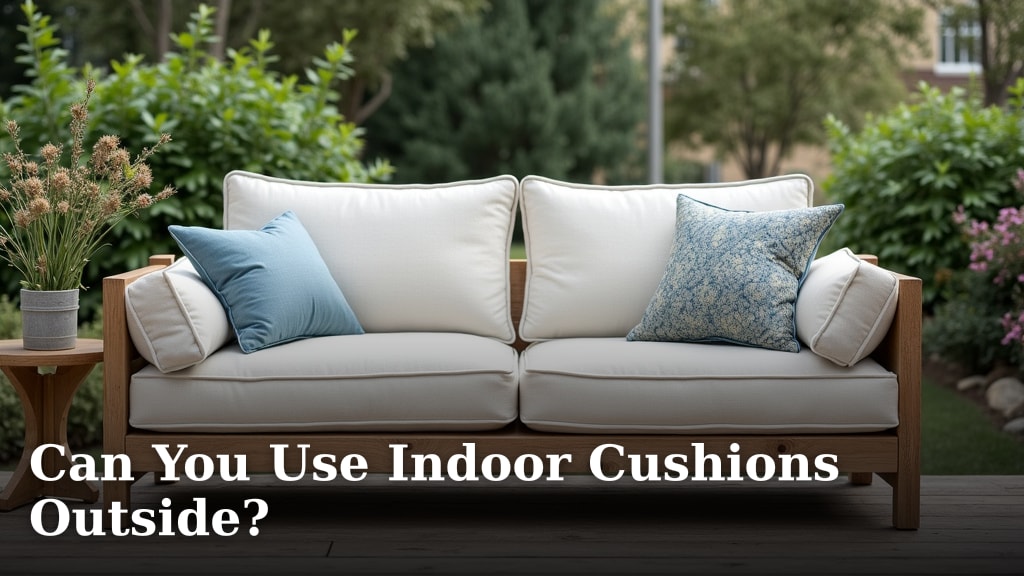
Yes, you can use indoor cushions outside, but with a few important caveats. While tempting to bring that cozy comfort to your patio, indoor cushions are not designed for the elements and can be damaged easily by sun and moisture. Many people wonder if it’s a quick fix for outdoor seating, and the answer is usually no, not without consequences.
You might be tempted to grab those plush pillows from your living room for your outdoor gathering. It seems like a simple way to add a touch of indoor style to your patio. However, we found that this often leads to premature wear and tear. Outdoor cushions are specifically made with weather-resistant materials to handle sun, rain, and mildew.
- Indoor cushions are generally not waterproof or UV resistant.
- Exposure to sun can cause fading and fabric damage.
- Rain and moisture can lead to mildew and rot.
- Outdoor cushions are built with durable, weather-proof fabrics.
- Consider protective covers or bringing them in when not in use.
So, if you’re wondering about extending your indoor comfort outdoors, let’s look at what happens when you try it and what you can do instead.
Bringing Your Indoor Comfort Outdoors: What to Know
It’s a common thought: “Why buy special outdoor cushions when I have perfectly good ones inside?” You might be tempted to grab those plush, patterned pillows from your sofa. They look so inviting. But can they really handle a season on your patio? We’ve looked into it, and the short answer is: it’s not ideal, and often, it’s a recipe for disappointment.
Indoor cushions are designed for a controlled environment. Think living rooms and bedrooms, where the biggest threats are maybe a spilled drink or a pet’s claw. Outdoor cushions, on the other hand, are built tough. They need to face sun, rain, humidity, and maybe even a little critter trying to make a home in them. We found that using indoor cushions outside often leads to them looking worn out much faster than you’d expect.
The Material Matters: Why Indoor Cushions Don’t Cut It Outside
The main difference between indoor and outdoor cushions lies in their construction and materials. It’s not just about looks; it’s about survival.
Fabric’s First Line of Defense
Indoor cushion fabrics, like cotton, linen, or standard polyester, are simply not made for the elements. Cotton can absorb water like a sponge. This makes it heavy and prone to mold. Linen can fray and weaken quickly when exposed to UV rays. Even many standard polyesters don’t have the special coatings that protect outdoor fabrics.
We found that many indoor fabrics lose their color within a few weeks of direct sunlight. They can also become brittle and tear easily. Think of it like wearing a delicate silk scarf to go hiking – it’s just not the right tool for the job, and it will likely get damaged.
Water Resistance: A Crucial Outdoor Feature
Outdoor cushions are typically made from synthetic materials like acrylic, olefin, or treated polyester. These fabrics are often woven tightly. They might also have a water-repellent coating. This means water beads up and rolls off, rather than soaking in. This is a huge advantage for outdoor use.
Indoor cushions usually lack this water resistance. When rain hits them, the water seeps into the fabric and the filling. This can lead to a host of problems, which we’ll discuss next. Many experts recommend that if you must use indoor cushions outside, bringing them in before any hint of rain is essential. We found this to be the most critical piece of advice for protecting them.
UV Protection: Fighting the Fading Sun
The sun’s rays are powerful. Over time, they can break down fabric fibers and fade colors. Outdoor cushion fabrics are treated to resist UV damage. This means they keep their vibrant look for much longer, even when sitting in direct sunlight day after day.
Indoor fabrics, however, are not typically treated for UV resistance. You’ll likely see fading within a short period. Colors can look dull and washed out. We found that even indoor cushions labeled “UV resistant” don’t compare to the performance of true outdoor fabrics. The sun is just a tougher opponent for them.
The Downsides of Using Indoor Cushions Outdoors
So, you’re thinking about giving it a try? While it might seem like a quick fix, there are several downsides you should be aware of. We found these issues come up time and time again.
Mold and Mildew: The Uninvited Guests
This is perhaps the biggest and most common problem. When indoor cushions get wet and stay wet, they become a breeding ground for mold and mildew. This doesn’t just look unsightly; it can create an unpleasant smell. It can also be a health concern for some people.
Mold and mildew can grow deep within the cushion filling. Sometimes, it’s impossible to completely remove it, even after drying. We found that the smell can linger, and it might even transfer to your outdoor furniture. Experts at the Cleveland Clinic often advise on preventing mold growth, and keeping fabrics dry is key.
Fabric Degradation and Rot
Moisture isn’t just bad for mold. It can also cause the fibers in indoor fabrics to break down. This leads to weakening, tearing, and eventual rot, especially in natural fibers like cotton. Sun exposure further exacerbates this by making already weakened fibers brittle.
Imagine your favorite throw pillow slowly falling apart. It might start with a small tear, then rapidly worsen. We found that the lifespan of an indoor cushion used outdoors is dramatically shortened. It might only last a single season, if you’re lucky.
Fading and Discoloration: A Loss of Luster
As we mentioned, the sun is relentless. Indoor cushions will likely lose their vibrant colors quite quickly. What started as a beautiful pop of color can turn into a muted, sad shadow of its former self. This can make your outdoor space look unkempt.
We found that even if the fabric doesn’t degrade, the color loss alone can be enough to make you want to replace them. Outdoor cushions are designed to maintain their appearance for years. You’re essentially sacrificing aesthetics for short-term convenience.
Reduced Comfort and Support
Indoor cushions are often filled with soft, plush materials like down or poly-fill. These can compress over time, especially when they get wet and then dry out unevenly. This means they lose their loft and support.
You might find your cushions become flat and lumpy. This makes them uncomfortable to sit on. We found that the initial cozy feeling quickly disappears. Outdoor cushion fillings are often made from quick-drying foam or polyester fiber that is more resistant to compression from moisture.
When Might It Be Okay (with Caveats)?
Is there ever a situation where using indoor cushions outside is a *tiny* bit less terrible? Perhaps, but it requires significant effort and understanding of the risks.
Occasional, Short-Term Use
If you’re having a very short outdoor gathering, like a picnic in the backyard or a brief outdoor movie night, and you just need a few extra comfy spots for an hour or two, it might be manageable. The key is bringing them back inside immediately afterward.
We found that this strategy requires vigilance. You need to be ready to pack them up as soon as the event is over. Don’t leave them out overnight, even if the weather looks clear. A sudden dew can do damage.
Covered Porches or Sunrooms
If your outdoor space is fully enclosed and protected from the elements, like a sunroom or a very deep, covered porch that never sees direct rain or intense sun, you might get away with it for a bit longer. However, humidity can still be an issue.
Even on a covered porch, indirect sunlight can still cause fading. We found that humidity can still encourage mold growth if air circulation is poor. So, while better than fully exposed, it’s still not ideal.
Using Protective Covers
You could, in theory, use indoor cushions and cover them with waterproof covers when not in use. This adds an extra layer of protection. However, this is often more work than simply buying cushions designed for outdoor use.
The covers themselves can be bulky. We found that finding covers that fit perfectly and stay on can be a challenge. Plus, you still need to make sure the cushions are completely dry before covering them.

What to Look for in Actual Outdoor Cushions
If you’re ready to invest in cushions that can handle the outdoors, here’s what makes them different and why they’re worth it. We found that the initial cost often saves money in the long run.
Durable, Weather-Resistant Fabrics
Outdoor fabrics are specifically engineered to withstand the elements. Look for materials like:
- Acrylic: Often called “solution-dyed acrylic,” this is a top choice. Colors are infused into the fibers, making them highly fade-resistant. Brands like Sunbrella are well-known for this.
- Olefin (Polypropylene): This synthetic fiber is naturally resistant to moisture, mildew, and stains. It’s also quite durable and UV-resistant.
- Polyester (Treated): While standard polyester isn’t great, outdoor-grade polyester is often treated with coatings for water and UV resistance.
We found that these fabrics are typically woven more tightly, which helps prevent water penetration. They also feel slightly stiffer but are incredibly robust.
Quick-Drying Fillers
The inside of the cushion is just as important as the outside. Look for cushions filled with materials that drain and dry quickly. Common options include:
- Polyurethane Foam: Often called “reticulated foam,” this open-cell foam allows water to pass through easily and air to circulate for faster drying.
- Polyester Fiberfill: High-quality polyester fiberfill designed for outdoor use can resist matting and moisture absorption better than indoor equivalents.
We found that cushions filled with these materials are less likely to become waterlogged and develop mold from the inside out.
UV-Resistant Treatments and Dyes
Even the best fabrics need good treatments. Many outdoor cushions have additional UV inhibitors added to the fabric or the dyes used. This offers a double layer of protection against the sun’s damaging rays.
When buying, look for tags or descriptions that mention “UV resistant” or “fade resistant.” We found that comparing the warranty offered can also be a good indicator of a manufacturer’s confidence in their product’s durability.
Protecting Your Cushions (Indoor or Outdoor)
Whether you have indoor cushions you’re trying to protect or you’ve invested in outdoor ones, a little care goes a long way. We found that consistent, small efforts make a big difference.
The Best Practice: Store Them Properly
The number one rule for extending the life of any cushion is proper storage. When not in use, especially during off-seasons or when bad weather is expected, store them in a dry, well-ventilated place. A deck box, a shed, or even inside your home is ideal.
We found that a dry place prevents mildew and protects against sun damage. If you’re storing them for the winter, ensure they are completely clean and dry before putting them away. This prevents any lingering dirt or moisture from causing issues.
Consider Protective Covers
If storing inside isn’t always feasible, good quality, breathable covers are a smart investment. Look for covers made from water-resistant, UV-resistant materials. Ensure they fit well to prevent wind from getting underneath and causing damage.
We found that covers can shield cushions from light rain, dew, and moderate sun exposure. However, for heavy rain or prolonged periods, it’s still best to bring them indoors. Many experts suggest covers as a secondary defense, not a primary one.
Regular Cleaning and Maintenance
Keep your cushions clean! Spills and dirt can attract mold and mildew. Most outdoor cushions can be spot-cleaned with mild soap and water. For deeper cleaning, check the manufacturer’s instructions. Some cushion covers are even removable and machine washable.
We found that rinsing cushions thoroughly after cleaning is important to remove all soap residue. Allowing them to air dry completely in the sun is also beneficial, as the sun’s UV rays can help kill any lingering mold spores. This simple step can significantly extend their lifespan.
A Quick Checklist for Cushion Care
So, before you decide to brave the elements with your indoor cushions, or to make sure your outdoor ones last, run through this quick checklist:
- Assess the Fabric: Does it feel like it can handle sun and moisture?
- Check for Water Resistance: Does water bead up or soak in?
- Bring Them In: Always bring cushions inside before rain or overnight.
- Store Properly: Use a dry, ventilated space for long-term storage.
- Use Covers: Consider covers for extra protection, but don’t rely on them solely.
- Clean Regularly: Spot clean spills and dirt promptly.
Following these steps will help you keep your outdoor seating looking and feeling great, no matter what you choose to use.
Conclusion
As you’ve seen, while you *can* technically place indoor cushions outside, it’s rarely a good idea for long-term comfort or durability. We found that indoor cushions are simply not built to withstand sun, rain, and humidity. This often leads to fading, mold, and rapid fabric breakdown. For a comfortable and lasting outdoor space, investing in cushions specifically designed for outdoor use is the smartest choice. They offer superior weather resistance and will keep your seating looking great season after season. Start by checking out outdoor-grade fabrics like acrylic or olefin for your next cushion purchase!
Frequently Asked Questions
How can I make my indoor cushions last longer if I use them outside occasionally?
If you must use indoor cushions outside for short periods, the key is diligent protection. We found that bringing them inside immediately after use is essential. Even better, consider using waterproof covers when they aren’t actively being sat on to shield them from dew and light moisture.
Will my indoor cushions get moldy if left out in the rain just once?
Yes, there’s a high chance they will. Indoor cushion fabrics often absorb water easily and lack quick-drying properties. We researched this, and moisture trapped within the fabric and filling can quickly lead to mold and mildew growth, even after a single rain shower.
Are there any specific types of indoor cushions that are slightly better for outdoor use?
While no indoor cushion is ideal for the outdoors, those made with synthetic blends that are less absorbent might fare slightly better than natural fibers like cotton. However, we found that even these lack the UV resistance and specialized water-repellent coatings of true outdoor cushions.
Can I just dry my indoor cushions in the sun if they get wet outside?
While drying them is better than leaving them wet, it’s not a complete solution. Sunlight can help dry the surface, but moisture can remain deep within the filling. We found that repeated wetting and drying cycles, combined with sun exposure, still degrade indoor fabrics faster than intended.
How can I tell if a cushion is made for outdoor use just by looking at it?
Look for tags or descriptions that mention specific outdoor fabrics like “solution-dyed acrylic” or “olefin.” We found that outdoor cushions often have a tighter weave and a slightly stiffer feel than indoor ones. They may also have labels indicating UV resistance or water repellency.
