Can You Leave Wicker Furniture Outside in the Rain?
On this page (3 sections)
Yes, you can leave most types of wicker furniture outside in the rain, but how well it handles the wet weather largely depends on what it’s made from. Natural wicker will need protection, while synthetic wicker is much more resilient. You’ll want to know the difference to keep your patio looking good.
Leaving outdoor furniture exposed means it will face the elements. We found that UV rays and moisture are the biggest enemies of patio pieces. Understanding your wicker’s material helps you make the best choices for its care and longevity. Do you know if your wicker is natural or synthetic?
- Synthetic wicker handles rain well.
- Natural wicker needs cover or treatment.
- Water damage can lead to mold and rot.
- Sunlight also causes damage over time.
- Proper care extends furniture life.
Let’s walk through everything you need to know about protecting your wicker furniture from the rain, so you can enjoy it for years to come.
Protecting Your Wicker Furniture from Rain
You can protect your wicker furniture from rain by understanding its material and taking appropriate steps. Some types shrug off moisture, while others need a helping hand.
Natural Wicker vs. Synthetic Wicker: A Quick Look
The first step in protecting your wicker is knowing what kind you have. Is it natural, crafted from plants, or is it a modern, man-made material? This distinction is key to its rain resistance.
What is Natural Wicker?
Natural wicker is beautiful, isn’t it? It’s made from plant fibers like rattan, bamboo, willow, or even seagrass. Think of those classic, elegant pieces you might see in a sunroom. These materials are woven together to create furniture that’s both charming and strong. However, they’re generally not designed to be left outdoors in the elements for long periods, especially not in the rain.
What is Synthetic Wicker?
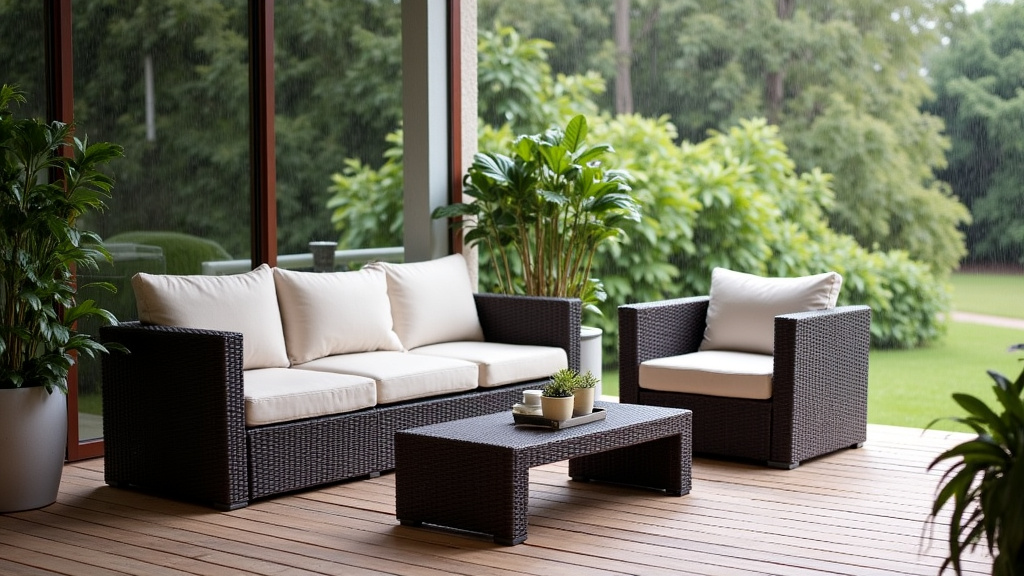
On the other hand, synthetic wicker, often called resin wicker or all-weather wicker, is made from man-made plastic fibers, usually polyethylene (PE). This material is designed specifically for outdoor use. It mimics the look of natural wicker but comes with much greater durability against weather. We found it’s a popular choice for patios and decks.
How Does Rain Affect Different Wicker Types?
Understanding how water interacts with each material will help you decide what care your furniture needs. It’s a bit like knowing if your coat is waterproof or just water-resistant.
The Impact of Rain on Natural Wicker
When natural wicker gets wet, it’s not a pretty sight. The plant fibers can absorb water, causing them to swell, warp, and weaken. Over time, this leads to structural damage. You might notice the weaving coming undone or the furniture becoming wobbly. Even worse, consistent moisture creates a perfect breeding ground for mold and mildew. Nobody wants fuzzy green patches on their beautiful patio furniture, right? We found that mold can quickly destroy the material and even pose health risks if spores spread (CDC).
- Natural wicker can absorb water.
- It tends to warp and swell when wet.
- Weakens over time, leading to structural damage.
- Highly susceptible to mold and mildew growth.
The Impact of Rain on Synthetic Wicker
Synthetic wicker is a different story. Because it’s made from plastic, it’s naturally water-resistant. Rain simply beads up and runs off. It won’t absorb moisture, so you don’t have to worry about it warping, swelling, or rotting. This makes it a fantastic choice for areas where you expect rain. However, even synthetic wicker isn’t entirely invincible. While rain won’t damage the material itself, standing water can sometimes collect in crevices or on cushions, which can still lead to issues if not addressed. Plus, sun exposure is often a bigger enemy for synthetic wicker than rain.
Here’s a quick comparison to help you visualize the difference:
| Feature | Natural Wicker | Synthetic Wicker |
|---|---|---|
| Material | Rattan, bamboo, willow, seagrass | Polyethylene (PE) plastic |
| Water Absorption | High (absorbs moisture) | Low (water-resistant) |
| Warping/Swelling | High risk | Very low risk |
| Mold/Mildew | High risk | Low risk (on material) |
| Outdoor Use | Limited (needs protection) | Designed for outdoors |
Essential Care Tips for Wicker Furniture in Wet Weather
No matter what kind of wicker you have, a little proactive care goes a long way. Think of it as giving your furniture a health check-up.
Protecting Natural Wicker from the Rain
If you have natural wicker, your primary goal is to keep it dry. It’s a bit like owning a delicate houseplant that thrives indoors but struggles outside. We found these methods work best:
- Cover it Up: The easiest solution is a good quality furniture cover. Look for covers that are waterproof and breathable. A breathable cover prevents moisture from getting trapped underneath, which could still lead to mold.
- Bring it Indoors: If you know a big storm is coming, or during prolonged rainy seasons, moving your natural wicker indoors is the safest bet. A garage, shed, or even a covered porch works wonders.
- Apply a Protective Sealant: You can apply a marine varnish or a water-resistant sealant designed for natural fibers. This creates a barrier against moisture. Remember to reapply every year or two, depending on the product instructions and how much exposure your furniture gets.
- Ensure Good Drainage: If your furniture accidentally gets wet, make sure it dries completely. Elevate it slightly if needed, so air can circulate all around.
Caring for Synthetic Wicker in Rainy Conditions
Synthetic wicker is tougher, but it still benefits from some attention. You wouldn’t leave your car out in a hurricane without batting an eye, would you?
- Drain Standing Water: After a rain shower, quickly wipe away any puddles that might have collected on tabletops or seats. This prevents water spots and keeps cushions from getting soaked.
- Address Cushions: While the wicker itself handles rain, your cushions might not. Many outdoor cushions are water-resistant, but few are truly waterproof. Bring them inside during heavy rain or store them in a waterproof deck box. For cushions that aren’t waterproof, you can learn how to waterproof outdoor cushions to add an extra layer of protection.
- Clean Regularly: A simple wash with mild soap and water helps remove dirt, pollen, and environmental debris that could harbor mold spores, even on synthetic surfaces. Rinse thoroughly.
The Often-Overlooked Threat: UV Rays and Their Role
While rain is a concern, especially for natural wicker, we often forget about the sun. Ultraviolet (UV) rays are relentless and can be just as damaging, if not more so, over time.
Sun Damage on Natural Wicker
The sun can cause natural wicker to fade, become brittle, and crack. It dries out the natural fibers, making them more susceptible to breaking. This is why even if you protect it from rain, consistent sun exposure will shorten its life. Imagine what happens to an old newspaper left in the sun – it yellows and crumbles. Natural wicker faces a similar fate.
Sun Damage on Synthetic Wicker
Even synthetic wicker isn’t immune to UV damage. Over time, sunlight can cause the plastic fibers to become faded, brittle, and eventually crack. High-quality synthetic wicker usually includes UV inhibitors in its manufacturing process, which helps it resist sun damage for longer. But even then, covering your furniture when not in use, especially in direct sunlight, can significantly extend its lifespan and keep its color vibrant.
A Checklist for Wicker Longevity
To help you keep your wicker furniture looking its best, here’s a quick checklist. Use this as your go-to guide for all your wicker care needs. It’s about being proactive, not reactive!
- Identify if your wicker is natural or synthetic.
- For natural wicker, always use waterproof covers or move indoors during rain.
- For synthetic wicker, check cushions and drain any standing water after rain.
- Clean both types of wicker regularly with mild soap and water.
- Consider applying a UV protectant spray to both natural and synthetic wicker.
- Store cushions in a dry, covered area when not in use.
- Periodically inspect your furniture for any signs of wear, mold, or damage.
Conclusion
Understanding your wicker furniture’s material is paramount. Whether it’s the charm of natural wicker or the resilience of synthetic, a little knowledge goes a long way in protecting your investment. You now have the tools to make informed decisions, ensuring your outdoor living space remains beautiful and functional for years to come. Take a moment to assess your pieces and commit to a care routine that fits your lifestyle and local weather patterns. Your wicker will thank you for it!
Frequently Asked Questions
Can I use a regular tarp to cover natural wicker furniture?
While a regular tarp can offer rain protection, we found it’s not ideal for natural wicker. Tarps often trap moisture underneath, which can encourage mold and mildew growth. Opt for a breathable, waterproof furniture cover instead.
How often should I clean my outdoor wicker furniture?
You should aim to clean your outdoor wicker furniture at least once a season, or more frequently if it’s exposed to heavy pollen, dust, or harsh weather. Regular cleaning prevents grime buildup and can extend its lifespan.
Will waterproof spray protect natural wicker from heavy rain?
A waterproof spray or sealant can add a layer of protection to natural wicker, making it more resistant to light moisture. However, for heavy or prolonged rain, it’s always best to use a cover or move the furniture indoors for complete protection.
What’s the best way to store wicker cushions when not in use?
To keep your wicker cushions in top condition, store them in a dry, airtight storage box or bin when not in use. This protects them from rain, humidity, pests, and sun fading, ensuring they stay fresh for longer.
Does the color of synthetic wicker affect its UV resistance?
Generally, darker colors of synthetic wicker might show fading more noticeably over time compared to lighter shades. However, the true UV resistance comes from the quality of the polyethylene material and the UV inhibitors added during manufacturing, not just the surface color.