
Can You Leave a Outdoor Bench Outside in the Rain?

Yes, you can often leave an outdoor bench outside in the rain, but it really depends on what your bench is made of. Wood benches might need some care, while metal or plastic ones usually do just fine without moving them.
We’ve looked into what makes an outdoor bench rain-ready. Some materials are naturally more weather-resistant than others. Understanding your bench’s material is key to keeping it looking good for years to come.
- Wood benches might need sealing or protection.
- Metal and plastic benches often handle rain well.
- Check manufacturer instructions for specific care.
- Regular cleaning helps any bench last longer.
Let’s walk through what you need to know about your outdoor bench and the rain.
Can Your Outdoor Bench Weather the Rain?
So, you’re wondering if your trusty outdoor bench can handle a little (or a lot) of rain. It’s a fair question, especially if you don’t want to be hauling furniture every time the clouds gather. The good news is, most outdoor benches are designed with the elements in mind. However, the material your bench is made from plays a huge role in how well it copes.
We found that understanding your bench’s construction is key to giving it the best chance to last. Think of it like deciding if you can leave your favorite jacket out in a drizzle. Some fabrics are built for it; others need a bit more protection. Let’s break down what makes an outdoor bench rain-ready.
Materials Matter: What’s Your Bench Made Of?
When we talk about outdoor benches and rain, the conversation always circles back to the materials. Different materials react to moisture in distinct ways. Some are practically waterproof, while others might start showing wear and tear if left constantly exposed.
Wood Benches: The Natural Choice (with Caveats)
Wood benches bring a beautiful, natural feel to your outdoor space. However, wood is a living material that can absorb moisture. When wood gets wet repeatedly and doesn’t dry properly, it can lead to several issues. You might see warping, cracking, or even the beginnings of rot. Mold and mildew also love damp wood.
But don’t despair! Not all wood is created equal when it comes to outdoor use. Certain types of wood are naturally more resistant to moisture and pests. For example, hardwoods like teak and cedar are excellent choices. They contain natural oils that repel water and resist decay. Many guidelines suggest these woods are a great option for outdoor furniture (U.S. Forest Products Laboratory).
If your bench is made from a less naturally resistant wood, like pine or fir, you’ll need to take extra steps. Regular sealing and applying a good quality outdoor sealant or stain are your best friends here. This creates a protective barrier against water penetration.
Maintaining Your Wood Bench
To keep your wood bench happy through rainy spells, consider these points:
- Sealing is Key: Apply a water-repellent sealant or stain at least once a year, or more often if you notice water soaking in.
- Dry it Off: If you have a light shower, a quick wipe-down can help. For heavier, prolonged rain, consider covering or moving it if possible.
- Inspect Regularly: Keep an eye out for any signs of mold, mildew, or decay. Early detection makes treatment much easier.
- Clean Gently: Use a mild soap and water solution for cleaning. Avoid harsh chemicals that can strip the wood’s natural oils or sealant.
Metal Benches: Built to Last?
Metal benches, especially those made from cast iron, aluminum, or steel, can be quite resilient in the rain. They don’t absorb water, which means no warping or rot!
However, metal isn’t entirely invincible. The biggest concern with metal is rust. Cast iron and steel are more prone to rusting if their protective coating is damaged. Aluminum, on the other hand, is naturally rust-resistant, making it a fantastic choice for outdoor furniture.
Preventing Rust and Wear on Metal Benches
To ensure your metal bench stands up to the rain:
- Check the Finish: Ensure the paint or powder coating is intact. Small chips or scratches can be entry points for moisture and lead to rust.
- Touch-Up Scratches: If you find any nicks, clean the area thoroughly and apply a rust-inhibiting primer followed by matching paint.
- Consider Aluminum: If you’re buying new, aluminum is often the most carefree option for rain resistance.
- Clean Periodically: A simple rinse with water and a soft cloth can remove dirt and salt that might otherwise degrade the finish over time.
Plastic and Resin Benches: The Low-Maintenance Option
If you’re looking for a bench that you can truly leave out in the rain without a second thought, plastic or resin benches are often your best bet. These materials are non-porous and don’t absorb water. They are designed specifically to withstand the elements.
You won’t have to worry about rot, rust, or warping with these materials. They are also generally lightweight, making them easy to move if you ever need to. Many plastic benches are made from recycled materials, adding an eco-friendly bonus.
Keeping Plastic Benches Looking Good
While they are tough, plastic benches can still benefit from a little care:
- Occasional Cleaning: A quick wash with soap and water will keep them looking fresh and prevent the buildup of dirt or algae.
- Prevent Fading: Prolonged, intense sun can sometimes cause plastic to fade. While not a rain issue, it’s something to consider for overall longevity.
- Check for Cracks: Extreme cold or impacts can sometimes cause plastic to become brittle and crack over time.
Wicker and Rattan Benches: Natural Beauty, Delicate Care
Natural wicker and rattan furniture can be stunning, but they are typically less suited for constant rain. These materials are woven and can absorb water, leading to mold, mildew, and deterioration. If your wicker bench is made from natural materials, it’s best to protect it from prolonged moisture.
However, many “wicker” benches today are actually made from synthetic materials like polyethylene resin. These synthetic versions are much more durable and weather-resistant. They mimic the look of natural wicker but can handle the rain much better.
Caring for Wicker/Rattan Benches
- Identify the Material: Is it natural or synthetic? This is the most important first step.
- Synthetic Wicker: Generally, you can leave these out. Clean them with mild soap and water.
- Natural Wicker: If your bench is natural, cover it or bring it inside during wet weather to prevent damage.
Assessing Your Bench’s Readiness for Rain
So, how do you know if your bench is ready to face the downpour? Here’s a quick checklist:
- Material Type: Wood, metal, plastic, synthetic wicker, or natural wicker?
- Manufacturer’s Instructions: Did you keep the care guide? It’s your best source of info.
- Protective Finish: Is the paint, stain, or sealant in good condition?
- Past Performance: How has it held up in previous rainy seasons?
- Location: Is it in a spot that gets direct, prolonged rain, or is it somewhat sheltered?
If your bench is made of materials like aluminum, quality plastic, or synthetic wicker, and its finish is intact, you can likely leave it out. For wood benches, especially those not made of teak or cedar, you’ll want to be more cautious and ensure they are well-sealed and perhaps covered.
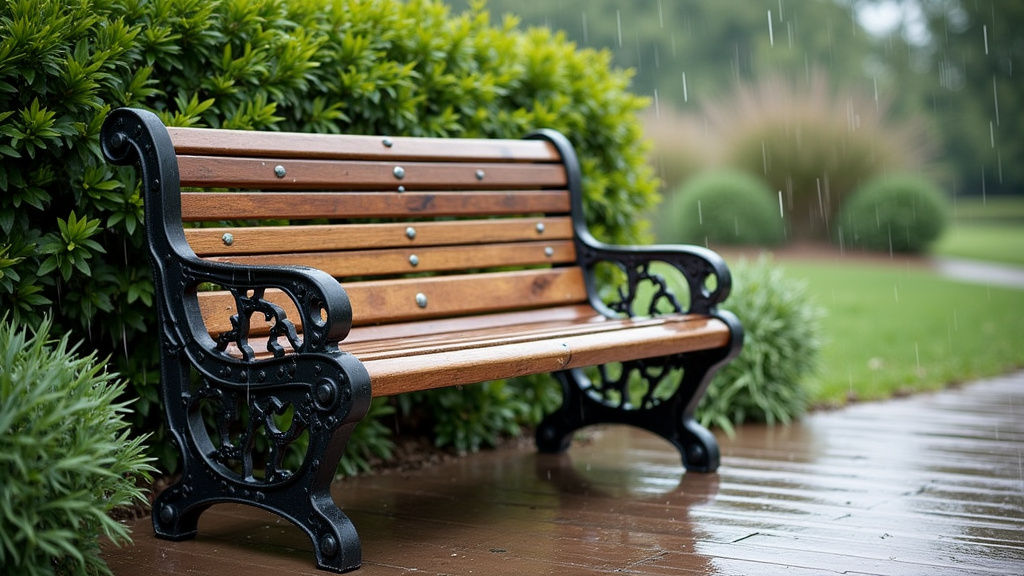
The Verdict: Should You Move Your Bench?
The short answer is: it depends on the material and its condition. Many modern outdoor benches, particularly those made from plastic, aluminum, or synthetic rattan, are designed to withstand rain. You often don’t need to move them.
However, if your bench is made of natural wood (especially softwoods), cast iron that might be showing signs of rust, or natural wicker, it’s wise to take protective measures. Covering it with a waterproof tarp or moving it to a sheltered location like a porch or garage can significantly extend its lifespan and keep it looking its best. Using a waterproof tarp can protect your bench from prolonged moisture.
Think about the investment you’ve made in your bench. A little bit of effort to protect it during harsh weather can save you from premature replacement and keep your outdoor space looking inviting. We found that regular maintenance and understanding your specific bench’s needs are the most effective ways to ensure it weathers the storm, literally!
Conclusion
So, can you leave your outdoor bench in the rain? The answer is a clear ‘it depends.’ We found that your bench’s material is the biggest factor. Teak, cedar, aluminum, and quality plastics are often built to withstand the weather. However, untreated wood and natural wicker may require protection. Before the next rain shower, take a moment to assess your bench’s material and condition. Protecting your investment means ensuring it stays beautiful and functional for years to come. If your bench needs a little extra care, a simple cover or a quick move to a covered area can make all the difference.
Frequently Asked Questions
Will my wood bench rot if left in the rain?
Your wood bench might rot if it’s made of a less resistant wood type and isn’t properly sealed. Woods like teak and cedar have natural oils that help them resist moisture better. Regularly applying a quality outdoor sealant is your best defense against rot and decay.
How do I prevent rust on my metal bench?
To prevent rust on your metal bench, regularly inspect its protective coating for chips or scratches. If you find any damage, clean the area thoroughly and touch it up with a rust-inhibiting primer and matching paint. Aluminum benches are naturally more rust-resistant.
Can I leave a synthetic wicker bench outside in the rain?
Yes, you can generally leave a synthetic wicker bench outside in the rain. These are made from durable, weather-resistant materials like polyethylene resin, which do not absorb water. They are designed to handle exposure to the elements.
What’s the best way to clean a plastic bench after it rains?
Cleaning a plastic bench after rain is simple. Usually, a quick wash with mild soap and water using a soft cloth is all you need. This removes any dirt or potential algae that might have started to form.
Should I cover my outdoor bench if rain is expected?
It’s a good idea to cover your outdoor bench if rain is expected, especially if it’s made of natural wood or natural wicker. A waterproof cover will protect these materials from prolonged moisture, preventing damage like rot, mold, or mildew.
