How To Stop Patio Furniture From Rusting?
Stopping patio furniture from rusting often involves a combination of smart material choices, regular protective maintenance, and proper storage. You can effectively prevent rust by choosing materials like aluminum or marine-grade stainless steel, applying rust-resistant coatings, and ensuring your furniture stays dry.
To keep your patio furniture rust-free, consistently clean it, touch up any scratches promptly, and cover it or store it indoors during harsh weather conditions and off-season months.
Here’s a quick overview of how to protect your outdoor furniture from unsightly rust:
- Choose rust-resistant materials like aluminum from the start.
- Apply protective coatings or paint to metal surfaces.
- Clean your furniture regularly to remove moisture and debris.
- Address scratches and chips immediately to prevent rust from spreading.
- Store furniture indoors or cover it during bad weather or the off-season.
How To Stop Patio Furniture From Rusting?
You can stop patio furniture from rusting by selecting the right materials and applying a consistent maintenance routine. Taking these proactive steps saves you time and money, keeping your outdoor space looking great.
Why Does Patio Furniture Rust Anyway?
Rust, or iron oxide, forms when iron or steel reacts with oxygen and water. Our patio furniture faces the elements constantly, making it vulnerable. Think of it as a natural process; metals just want to return to their original, oxidized state.
Every raindrop, every humid day, and even morning dew contributes to this process. Once a tiny scratch exposes bare metal, rust can begin its slow creep. It’s like a tiny crack in a fortress wall, letting the enemy in.
Choosing the Right Furniture: A Solid Start
Prevention starts at the store, doesn’t it? The material you choose makes a huge difference in the fight against rust. Some metals are naturally more resilient than others.
The Best Materials for Rust-Resistant Patio Furniture
When you’re shopping for new patio pieces, prioritize materials known for their rust resistance. This is your first and most impactful line of defense. Aluminum, for instance, is a fantastic choice.
Aluminum doesn’t rust because it lacks iron. Instead, it forms a protective oxide layer that shields it from further corrosion. Many experts say this makes it ideal for coastal areas with salty air (National Outdoor Living Association).
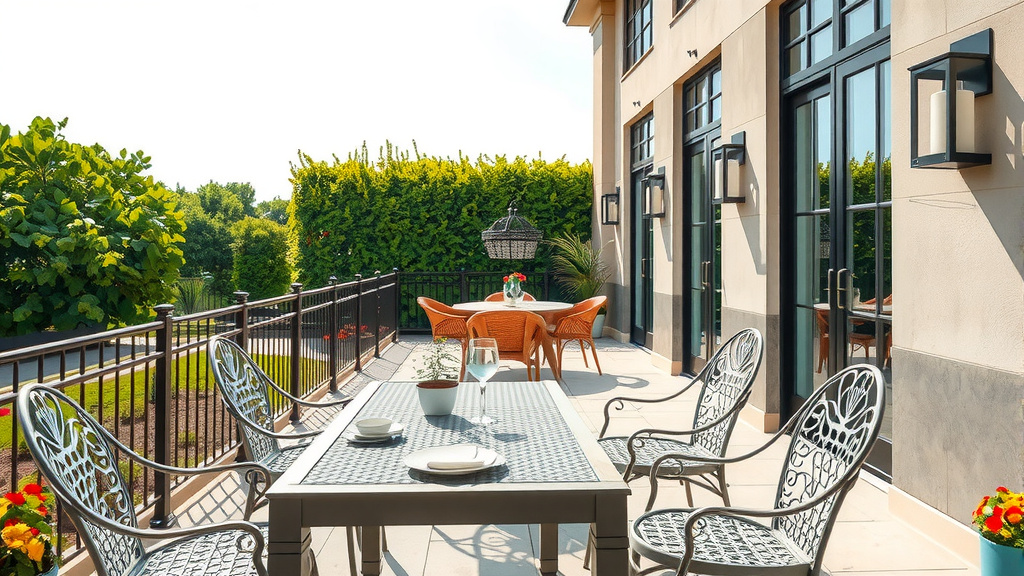
Stainless steel is another excellent option, especially higher grades like 304 or 316. These grades contain chromium, which also creates a passive, protective layer. Wrought iron, while beautiful, requires more diligent maintenance due to its high iron content.
Understanding Different Metal Types
Different metals react differently to moisture and oxygen. Knowing these differences helps you make an informed choice and plan your maintenance strategy. It’s like knowing your opponent in a game; you play smarter.
| Metal Type | Rust Resistance | Typical Maintenance |
|---|---|---|
| Aluminum | Excellent | Low; occasional cleaning, inspection |
| Stainless Steel | Very Good | Moderate; regular cleaning to prevent pitting |
| Wrought Iron | Low | High; regular sealing, painting, rust removal |
| Steel | Low | High; requires coating, constant protection |
Protecting Existing Furniture: Your Action Plan
What if you already own furniture that’s susceptible to rust? Don’t worry, you still have many options. It’s about being proactive with protective measures and routine care.
Prepping Your Furniture: The First Line of Defense
Before applying any protective coatings, your furniture needs a good clean. Remove any loose dirt, grime, or existing rust. A wire brush can help with stubborn rust spots.
Once clean, make sure the surface is completely dry. Moisture trapped under a new coating is like inviting rust to a hidden party. We found that a thorough cleaning and drying process significantly extends the life of coatings.
Sealing and Coating for Rust Protection
This is where you create a physical barrier between the metal and the elements. Think of it as putting on a raincoat before heading out into a storm. It keeps the water out.
Painting as a Rust Barrier
A good quality outdoor paint, especially one designed for metal, is excellent for preventing rust. Choose paints with rust-inhibiting primers built in. This adds an extra layer of protection.
When painting, apply thin, even coats. Don’t forget to cover all surfaces, including the undersides and hidden spots. These often get overlooked but are just as vulnerable to moisture.
Clear Coats and Sealants
If you love the look of your metal furniture as it is, a clear sealant is your friend. These transparent coatings block moisture and oxygen. Look for marine-grade sealants for the best performance.
You may need to reapply clear coats periodically, perhaps annually, depending on your climate. It’s a small investment of time for long-term rust protection.
Regular Maintenance is Key
Even with coatings, consistent care prevents tiny issues from becoming big problems. Maintenance isn’t a chore; it’s an investment in your patio’s longevity.
Cleaning Your Furniture to Prevent Rust
Dirt, dust, and pollen can hold moisture against metal surfaces. A simple wash with mild soap and water can work wonders. Rinse thoroughly and dry completely, especially in crevices.
Make this a regular habit, perhaps monthly or quarterly, depending on how often you use your patio. It’s a bit like brushing your teeth; consistency pays off.
Spot Treatment for Early Rust
Did you spot a tiny fleck of rust? Don’t panic! Catching it early is crucial. Lightly sand the area with fine-grit sandpaper until the rust is gone.
Then, clean the area and apply a rust-inhibiting primer, followed by a matching paint or clear sealant. This quick fix can stop rust from spreading like wildfire.
Proper Storage for Off-Season
When winter approaches or you won’t use your patio for a while, proper storage is paramount. Bringing furniture indoors, if possible, is the best option. Garages or sheds work wonderfully.
If indoor storage isn’t an option, invest in high-quality, waterproof furniture covers. Make sure covers fit well and allow for some air circulation to prevent moisture buildup underneath (Consumer Reports findings).
A Quick Rust Prevention Checklist
Keep this handy checklist in mind for your patio furniture. It simplifies your rust prevention efforts and ensures you hit all the important points:
- Select aluminum or marine-grade stainless steel furniture.
- Apply rust-inhibiting paint or clear sealant.
- Clean furniture regularly with mild soap and water.
- Immediately sand and touch up any scratches or chips.
- Cover or store furniture indoors during harsh weather.
What If Rust Already Appears?
Even with the best efforts, sometimes rust sneaks in. If you find rust, don’t despair. You can often treat it effectively. For light rust, steel wool or a wire brush can remove it.
For more severe rust, a rust converter product can be very helpful. These products chemically change rust into a black, inert primer. Always follow the product’s instructions carefully for the best results.
Conclusion
Keeping your patio furniture rust-free is entirely achievable with a bit of foresight and consistent care. By choosing the right materials, applying protective coatings, and maintaining a regular cleaning and storage routine, you can preserve the beauty and functionality of your outdoor living space for years to come. Remember, a little prevention goes a long way in enjoying your patio furniture without the worry of rust.
Frequently Asked Questions
What materials are truly rust-proof for patio furniture?
No material is truly 100% rust-proof, but aluminum is highly rust-resistant because it doesn’t contain iron and forms a protective oxide layer. Marine-grade stainless steel (like 316) is also excellent due to its chromium content, which resists corrosion.
How often should I reapply protective coatings to my metal furniture?
The frequency depends on your climate, the specific product used, and how much exposure the furniture gets. Generally, we found that reapplying paint or sealants every 1-3 years is a good guideline. Always check the product manufacturer’s recommendations for best practice.
Can I use car wax to protect my patio furniture from rust?
While car wax can offer a temporary protective barrier against moisture and some UV rays, it’s not a long-term solution for rust prevention on patio furniture. Dedicated outdoor furniture sealants or rust-inhibiting paints provide more durable and effective protection against the elements.
Is it better to cover furniture or store it indoors during winter?
Storing patio furniture indoors during the off-season is always the best option if space allows. This completely removes it from harsh weather conditions. If indoor storage isn’t possible, high-quality, breathable outdoor furniture covers are a good alternative to protect against snow, ice, and rain.
What’s the difference between rust-resistant and rust-proof?
Rust-resistant materials are designed to withstand rust significantly longer than untreated metals, but they can still rust under extreme or prolonged exposure. Rust-proof implies immunity, which is very rare for most commercially available patio furniture. It’s helpful to think in terms of degrees of resistance rather than absolute proof.