
Does Metal Patio Furniture Rust?
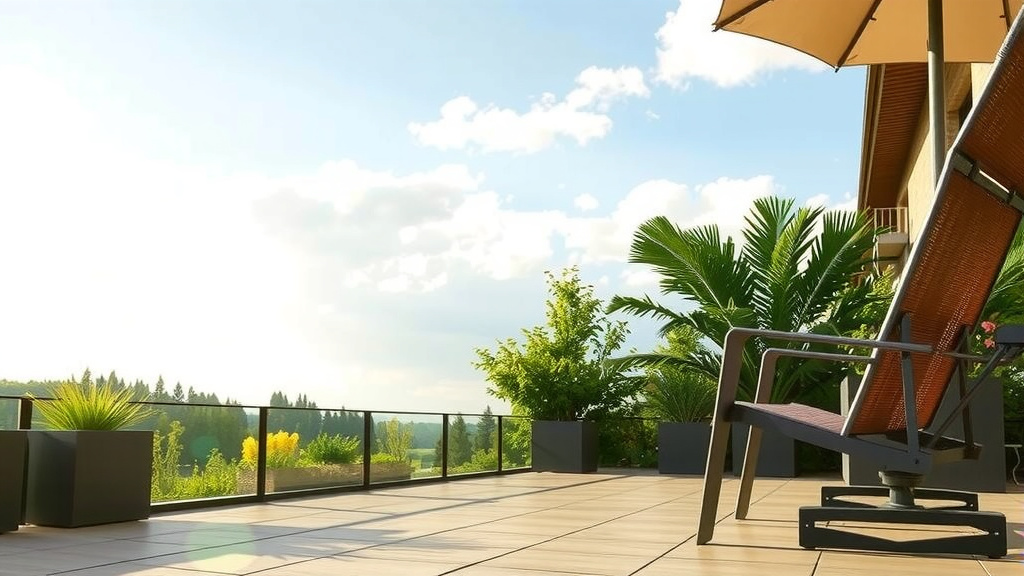
Yes, most types of metal patio furniture can rust, especially when exposed to outdoor elements like rain, humidity, and even salty air.
Rust is a common issue for many metals, particularly those containing iron, but proper care and material choices can help prevent it.
- Metal patio furniture often rusts due to exposure to moisture and air.
- Iron and steel are very susceptible to rust without protective coatings.
- Aluminum and stainless steel offer much better rust resistance.
- Regular cleaning, protective covers, and sealing can prevent rust.
- Catching and treating rust early helps preserve your furniture’s look and life.
Does Metal Patio Furniture Rust?
Yes, metal patio furniture can certainly rust if not made from the right materials or properly maintained. This is a common concern for many homeowners.
Understanding which metals rust and why helps you make smarter buying and care decisions for your outdoor space.
Why Does Metal Rust Anyway?
Rust is essentially a type of corrosion, specifically for iron and its alloys like steel. It happens when iron reacts with oxygen and water in a process called oxidation.
Think of it like an apple turning brown when cut; it’s a natural chemical reaction. This process slowly eats away at the metal, causing that familiar reddish-brown flaking.
Which Metals Are Most Prone to Rust?
Metals containing iron are the primary culprits for rust. When you see rust, iron is usually at the core of the problem.
This includes common materials like wrought iron and many types of steel, which are popular for their strength and traditional looks.
Iron: The Classic Rust Risk
Wrought iron furniture, while beautiful and sturdy, will rust without protection. Its high iron content makes it a prime candidate for corrosion.
Many experts emphasize that wrought iron needs a consistent protective finish to stay rust-free (Material Science Review).
Steel: Strong but Susceptible
Steel is an iron alloy, meaning it also contains iron. Therefore, standard steel patio furniture will rust if left untreated.
Manufacturers often apply powder coatings or other finishes to steel to prevent this natural reaction with the elements.
Rust-Resistant Metals for Your Patio
Not all metals are created equal when it comes to battling rust. Some materials naturally resist corrosion, offering more peace of mind.
Choosing these can save you time and effort on maintenance down the road.
Aluminum: The Rust-Free Champion
Aluminum is one of the best choices for outdoor furniture if rust is a concern. It doesn’t contain iron, so it simply cannot rust.
Instead, aluminum oxidizes, forming a thin, protective layer that actually prevents further corrosion. Many industry guidelines point to aluminum for its exceptional durability outdoors.
Stainless Steel: Strong and Sleek
Stainless steel is another excellent option. It contains chromium, which creates a passive layer on the surface that resists rust.
While not entirely immune to all forms of corrosion, especially in saltwater environments, it’s highly rust-resistant for most patio settings.
Wrought Iron: Classic Beauty, But Watch Out!
As mentioned, wrought iron needs special attention. However, modern wrought iron furniture often comes with durable powder coatings.
These coatings act as a barrier, shielding the iron from moisture and oxygen, delaying rust significantly. Just be sure to maintain the coating.
Comparing Common Patio Furniture Metals
Here’s a quick glance at how popular patio metals stack up against rust.
| Metal Type | Rust Resistance | Common Maintenance |
|---|---|---|
| Aluminum | Excellent | Occasional cleaning |
| Stainless Steel | Very Good | Regular cleaning, especially near salt |
| Wrought Iron (uncoated) | Poor | Frequent sealing, rust removal |
| Wrought Iron (coated) | Good | Inspect coatings, touch-up |
| Standard Steel (coated) | Good | Inspect coatings, touch-up |
Spotting the First Signs of Rust
Early detection is your best friend when it comes to rust. Catching it early can prevent it from spreading and causing more damage.
Look for small orange or reddish-brown spots, bubbling paint, or discoloration, especially around joints and welds.
Practical Steps to Prevent Rust
Prevention is always easier than cure, right? Taking a few simple steps can dramatically extend the life and beauty of your metal patio furniture.
Think of it as giving your furniture a little love before the elements take their toll.
Keep it Clean and Dry
Regular cleaning removes dirt, pollen, and debris that can trap moisture against the metal. After rain, wipe down your furniture thoroughly.
Ensuring your furniture is consistently dry is a simple yet powerful preventative measure.
Apply Protective Coatings
For iron and steel furniture, a good quality rust-inhibiting primer and paint are vital. Reapply these coatings periodically as part of your outdoor care routine.
Many experts suggest an annual check-up for furniture finishes before the peak season (Outdoor Living Guides).
Use Furniture Covers
When not in use, especially during heavy rain or the off-season, furniture covers are invaluable. They shield your furniture from direct exposure to moisture.
These covers create a protective barrier, keeping dew, rain, and even harsh sunlight at bay.
What If Rust Has Already Appeared?
Don’t despair if you find a little rust. Most minor rust spots can be treated and removed with a bit of effort.
Here’s a checklist to help you tackle rust effectively:
- Scrape away loose rust with a wire brush or sandpaper.
- Clean the area with soap and water, then dry completely.
- Apply a rust-neutralizing primer to the affected spots.
- Paint over the primed area with outdoor-appropriate paint.
- Consider a clear sealant for added protection.
Gentle Cleaning for Light Rust
For small rust spots, a mixture of white vinegar and baking soda can work wonders. Apply the paste, let it sit, then scrub gently.
This method can often lift superficial rust without harsh chemicals.
Tackling Stubborn Rust Stains
For more ingrained rust, you might need a commercial rust remover. Always follow the product instructions carefully and wear protective gear.
Remember to test any product on an inconspicuous area first to prevent accidental damage.
Extending the Life of Your Metal Patio Furniture
Your patio furniture is an investment in your outdoor comfort. With a bit of proactive care, it can last for many seasons.
Think about storing cushions indoors and moving smaller pieces under cover during storms.
Conclusion
Metal patio furniture can certainly rust, particularly items made of iron or standard steel. However, choosing rust-resistant metals like aluminum or stainless steel offers great advantages.
With consistent cleaning, protective coatings, and smart storage, you can keep your metal pieces looking fantastic and performing well for years to come. Your outdoor oasis deserves that lasting appeal!
Does aluminum patio furniture rust?
No, aluminum patio furniture does not rust because it contains no iron, which is the metal that reacts with oxygen and water to form rust. Instead, aluminum forms a thin, protective oxide layer that shields it from further corrosion.
Can stainless steel patio furniture rust?
Stainless steel is highly resistant to rust due to its chromium content, which creates a protective layer. While it’s not entirely immune, especially in harsh coastal environments, it’s an excellent choice for most patios to avoid rust issues.
How often should I reapply rust protection to my metal furniture?
For iron or steel patio furniture, reapplying a protective sealant or paint every one to two years is a good general guideline. However, always inspect your furniture annually and address any chips or scratches in the coating immediately to prevent rust from starting.
Is it better to store metal patio furniture indoors during winter?
Yes, storing metal patio furniture indoors or in a covered, dry area during the off-season, especially winter, is highly recommended. This protects it from prolonged exposure to snow, ice, and extreme humidity, significantly extending its lifespan and preventing rust.
What’s the best way to clean and prevent rust on my metal patio furniture?
The best way involves regular cleaning with mild soap and water, ensuring the furniture dries completely. For iron and steel, periodically applying a rust-inhibiting paint or clear sealant is key. Additionally, using breathable furniture covers when not in use helps immensely.
