
What Is HDPE Lumber?
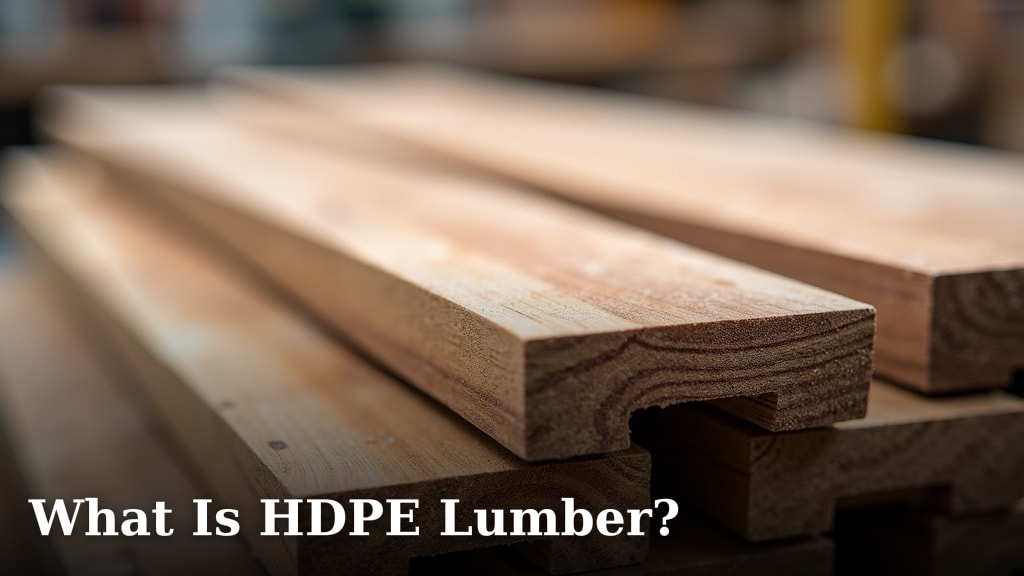
HDPE lumber is a durable, eco-friendly alternative to traditional wood. It’s made from recycled plastics, making it a smart choice for your outdoor projects. You’ll find it resists rot, fading, and splintering. This means less maintenance for you!
This special plastic lumber is engineered for longevity. It handles tough weather conditions without issue. Many experts point to its resistance to moisture and insects as key benefits. It’s a modern material designed to last longer than many wood options.
- HDPE lumber is made from recycled plastics.
- It’s highly resistant to rot, fading, and splintering.
- Expect very low maintenance compared to wood.
- It stands up well to various weather conditions.
Ready to see if this innovative material is right for you? Below, we break down everything you need to know about HDPE lumber.
Understanding HDPE Lumber: What It Is and Why It Matters
So, you’re curious about HDPE lumber? It’s a fantastic material made from recycled plastic. Think milk jugs, detergent bottles, and other common plastic items. This material is then processed and transformed into sturdy planks and boards. These are used for all sorts of outdoor projects. It’s like giving plastic a second life as a beautiful, functional building material.
The Core Components of HDPE Lumber
HDPE stands for High-Density Polyethylene. This is a type of thermoplastic polymer. It’s known for being strong and resistant to many chemicals. This makes it a great candidate for outdoor use. We found that manufacturers use a special process to break down and re-form this plastic. It’s then mixed with UV inhibitors and colorants. This ensures it won’t degrade in sunlight or lose its color over time. The result is a material that looks and feels similar to wood but offers many advantages.
From Trash to Treasure: The Recycling Process
The journey of HDPE lumber starts with collecting used plastic. This plastic is sorted, cleaned, and then ground into small flakes. These flakes are melted down and molded into new shapes. We found that this process is incredibly efficient. It diverts a massive amount of plastic waste from landfills. Many environmental groups highlight this as a major benefit. It helps reduce pollution and conserves natural resources like trees.
Key Properties That Set HDPE Lumber Apart
What makes HDPE lumber so special? It’s a combination of incredible durability and low maintenance. Unlike traditional wood, it doesn’t absorb water. This means it won’t rot, warp, or crack. It’s also resistant to mold and mildew. You won’t have to worry about termites or other wood-boring insects either. This resistance means your projects will look good for years to come without constant upkeep. Chairs made from recycled plastic are a good option to consider.
Resistance to the Elements
Mother Nature can be tough on outdoor structures. HDPE lumber, however, is built to withstand the test of time and weather. It handles sun, rain, snow, and even salt spray with ease. Many experts say its UV resistance is a key feature. This prevents the material from becoming brittle or fading. You won’t see that chalky, weathered look you often get with untreated wood. We found that this makes it ideal for coastal areas or places with harsh climates.
Low Maintenance Requirements
Think about the time and money you spend maintaining wooden decks or fences. With HDPE lumber, that’s largely a thing of the past. You don’t need to stain, seal, or paint it. A simple wash with soap and water is usually all it takes to keep it looking fresh. We found that this is a huge selling point for busy homeowners. It means more time enjoying your outdoor space and less time working on it.
Comparing HDPE Lumber to Traditional Wood
When deciding on materials for your outdoor projects, a comparison is helpful. Traditional wood, while beautiful, comes with its own set of challenges. It requires regular sealing and staining to protect it from moisture and UV rays. Even with maintenance, it can still rot, warp, or splinter over time. Insects can also cause significant damage.
HDPE lumber offers a different approach. It’s engineered to resist these common issues. While the initial cost might be higher, the long-term savings are substantial. You save on maintenance materials and labor. Plus, the lifespan of HDPE lumber is often much longer. We found that many homeowners are choosing HDPE for its **cost-effectiveness over its lifespan**.
| Feature | HDPE Lumber | Traditional Wood |
|---|---|---|
| Rot Resistance | Excellent | Poor (requires sealing) |
| Insect Resistance | Excellent | Poor (susceptible to termites) |
| Moisture Absorption | Very Low | High (can lead to warping) |
| Maintenance | Very Low (cleaning only) | High (staining, sealing, painting) |
| Lifespan | Longer (25+ years often) | Shorter (variable, depends on maintenance) |
| Environmental Impact | Made from recycled plastic | Renewable resource (if managed sustainably) |
Common Applications for HDPE Lumber
Where can you use this amazing material? The possibilities are quite broad. Its durability and resistance to moisture make it perfect for areas that are often wet. Think about decks, docks, and boardwalks. Many experts point to its use in marine environments as a prime example of its strength. It stands up well to saltwater and constant exposure.
Outdoor Living Spaces
Your backyard is your sanctuary, and HDPE lumber can help enhance it. It’s commonly used for building **low-maintenance decks and patios**. Imagine hosting barbecues without worrying about splinters or warped boards. It’s also great for outdoor furniture, pergolas, and playground equipment. We found that the bright, consistent colors available mean you can match your outdoor decor perfectly.
Beyond the Backyard
The uses extend beyond residential properties. Many parks and recreational facilities opt for HDPE lumber. This is because of its **durability and safety features**. It’s often used for park benches, picnic tables, and fencing. Public spaces need materials that can withstand heavy use and all kinds of weather. HDPE lumber fits the bill. We also found it being used in agricultural settings for things like animal enclosures and fencing, thanks to its easy-to-clean surface.
What to Look for When Buying HDPE Lumber
Not all HDPE lumber is created equal. When you’re ready to purchase, there are a few things to keep in mind. First, consider the **UV protection**. Higher quality lumber will have more robust UV inhibitors. This will ensure it maintains its color and integrity over time. Also, check for any additives that might improve its performance. Some manufacturers add anti-static agents or flame retardants.
Color and Finish Options
HDPE lumber comes in a wide array of colors. You can find classic wood tones, vibrant hues, and everything in between. Some products are designed to mimic the look of natural wood with grain patterns. We found that the color is integrated throughout the material, not just a surface coating. This means scratches are far less noticeable. Think about the overall aesthetic you want for your project.
Structural vs. Non-Structural Grades
It’s important to understand that HDPE lumber comes in different grades. Some are designed for structural applications, like deck joists, while others are for non-structural uses, like trim or decorative elements. Make sure you select the right grade for your specific project needs. Consulting with a building professional or the lumber supplier can help ensure you choose wisely. We found that using the wrong grade could compromise the safety and longevity of your build.
Is HDPE Lumber the Right Choice for Your Project?
Thinking about whether HDPE lumber is the best fit for you? It’s a material that offers a compelling blend of benefits. Its **resistance to decay, moisture, and insects** means less worry and more enjoyment. The minimal maintenance required is a significant advantage for many. If you’re looking for a long-lasting, eco-conscious material that won’t break the bank in upkeep, it’s definitely worth considering.
Ask yourself these questions:
- Do you want to spend less time on maintenance?
- Are you concerned about rot or insect damage in traditional wood?
- Do you live in an area with extreme weather conditions?
- Is using recycled materials important to you?
- Are you looking for a material that offers a good return on investment over time?
If you answered yes to most of these, then HDPE lumber might just be your perfect material. It offers a modern solution for durable and beautiful outdoor spaces.
Conclusion
You’ve learned that HDPE lumber is a fantastic, eco-friendly choice for your outdoor projects. It offers incredible durability without the constant upkeep traditional wood demands. From its resistance to rot and insects to its ability to withstand harsh weather, you can count on it to last. Ready to make the switch? Your next step is to explore local suppliers and get quotes for your specific project needs. This will help you see firsthand how HDPE lumber can transform your outdoor living space with minimal fuss.
Frequently Asked Questions
Can HDPE lumber fade over time?
While HDPE lumber is designed for outdoor use, some fading can occur, especially with prolonged exposure to direct sunlight. However, high-quality HDPE lumber includes UV inhibitors to significantly slow this process. We found that the color is integrated throughout the material, so fading is usually less noticeable than with surface-coated products.
Is HDPE lumber more expensive than wood upfront?
Yes, the initial purchase price of HDPE lumber can be higher than for some types of traditional wood. However, when you factor in the reduced need for ongoing maintenance, staining, sealing, and the material’s extended lifespan, it often proves more cost-effective over time. You save money on labor and materials year after year.
How do I clean HDPE lumber?
Cleaning HDPE lumber is typically very simple. For most dirt and grime, a solution of mild soap and water with a soft brush or cloth is sufficient. You can rinse it off with a hose. We found that this low-maintenance cleaning routine is a major advantage for homeowners who want to spend more time enjoying their outdoor spaces.
Can HDPE lumber be cut and installed like regular lumber?
Yes, HDPE lumber can be cut, drilled, and fastened using standard woodworking tools, though sometimes with slight adjustments. It’s important to use the right fasteners, often stainless steel, to prevent corrosion. Some installers recommend pre-drilling holes to avoid stress on the material. We found that while similar, it’s good practice to follow manufacturer guidelines for installation.
Is HDPE lumber safe for the environment?
HDPE lumber is made from recycled plastics, which diverts waste from landfills and reduces the need for virgin materials. This recycling process conserves resources and energy. While it’s a plastic-based product, its long lifespan and resistance to degradation mean it doesn’t leach harmful chemicals into the environment during use, making it an eco-conscious option.
