
Can You Leave a Adirondack Chair Outside in the Rain?
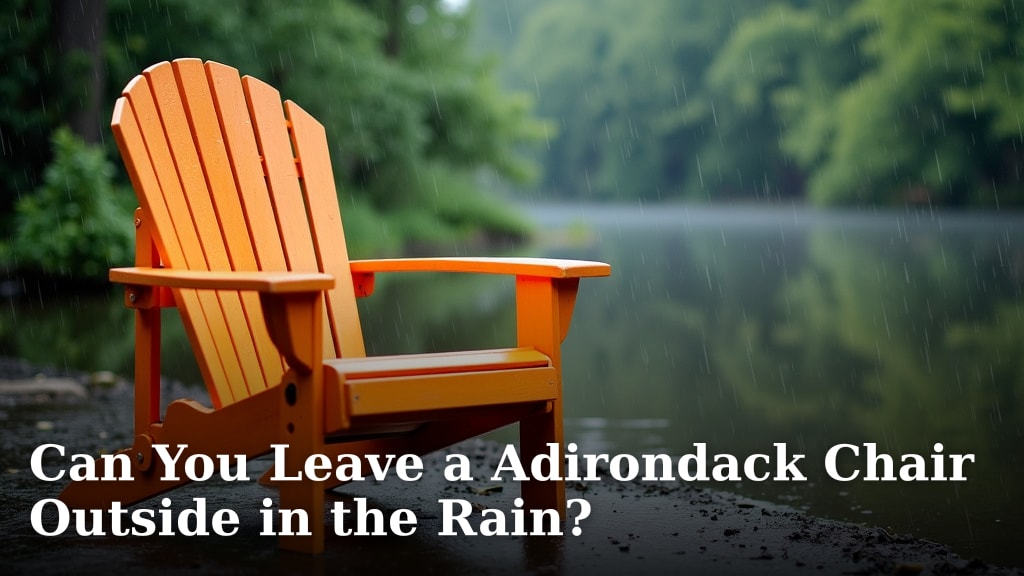
Yes, you can leave an Adirondack chair outside in the rain, but its durability and longevity largely depend on the material it’s made from. While most are designed for outdoor use, some materials will handle the rain much better than others without damage.
You probably want to know if your specific chair will survive a downpour without rotting or warping. We found that chairs made from weather-resistant materials like treated wood or recycled plastic are quite tolerant. Others might need a bit more care or protection from the elements to stay in great shape.
- Plastic Adirondack chairs are generally waterproof.
- Treated wood handles rain well.
- Untreated wood can warp or rot over time.
- Regular maintenance extends chair life.
- Consider covering chairs during heavy storms.
Let’s break down exactly what this means for your beautiful Adirondack chairs and how you can keep them looking their best, rain or shine. We’ll help you figure out what’s best for your outdoor space.
Adirondack Chair Durability in the Rain: What You Need to Know
You can certainly leave your Adirondack chair out in the rain, but how well it holds up really depends on its construction material. Some materials are much better suited for wet weather than others.
Material Matters: How Different Chairs Handle Rain
Not all Adirondack chairs are created equal when it comes to battling the elements. The material your chair is made from dictates its resistance to rain, rot, and rust. Let’s look at the common choices.
Recycled Plastic Adirondack Chairs
If you want minimal fuss, recycled plastic Adirondack chairs are a fantastic choice. We found they are virtually impervious to rain. You can leave them out in a downpour without a second thought.
These chairs won’t rot, splinter, or warp. They also resist mildew and pests, which is a big bonus. We found that they often come with UV inhibitors to prevent fading, too.
Cleaning is a breeze; just a quick spray with a hose and maybe some mild soap will do the trick.
Wood Adirondack Chairs: A Closer Look
Wood chairs offer that classic, rustic charm, but their rain resistance varies greatly. It all comes down to the type of wood and whether it’s treated.
Treated Wood Options: Cedar, Teak, and Redwood
Certain woods are naturally more resistant to moisture and decay. Cedar, teak, and redwood are top performers in this category. We found these woods contain natural oils that repel water and deter insects.
Cedar, for instance, is known for its aromatic properties and its ability to withstand rot (Forest Products Laboratory). Teak is incredibly dense and has a high oil content, making it highly durable even in marine environments. Redwood also boasts natural resistance to decay and insects.
While these woods handle rain much better than others, they still benefit from occasional maintenance, such as sealing or oiling, to maintain their appearance and extend their lifespan.
Untreated or Soft Woods: Pine and Fir
Untreated woods like pine or fir are generally less suitable for prolonged rain exposure. We found that without proper protection, these woods can quickly absorb moisture.
This absorption leads to issues like swelling, warping, and eventually rot. You might also notice mold and mildew forming on the surface, especially in humid conditions.
If your chair is made from these woods, it absolutely needs a protective finish. Think paint, stain, or a water-repellent sealant to shield it from the rain.
Other Materials: Metal and Composite
What about chairs made from other materials? They also have their own considerations when it comes to rain.
- Metal Adirondack Chairs: Often made from aluminum or steel. Aluminum is rust-resistant, making it a good choice for wet areas. Steel, however, needs a powder coating or regular painting to prevent rust, which can be a big problem if left unchecked in the rain.
- Composite Adirondack Chairs: These are usually a blend of wood fibers and plastic. They offer good resistance to moisture, rot, and insects, similar to recycled plastic, but sometimes retain a more wood-like appearance. We found they generally perform very well in rainy conditions.
Understanding the Impact of Rain on Your Chairs
Rain isn’t just about getting wet. It brings a host of potential problems for your outdoor furniture. Understanding these can help you protect your investment.
The Threat of Rot and Decay
For wooden chairs, prolonged exposure to moisture is the enemy. We found that constant dampness encourages fungal growth, which leads to wood rot.
Rot weakens the wood’s structure, making it soft and brittle. This can compromise the safety and integrity of your chair. Even naturally resistant woods can eventually succumb if left constantly wet without any chance to dry.
Warping, Cracking, and Fading
Moisture also causes wood to swell. When the wood then dries, it shrinks. This repeated expansion and contraction can lead to warping and cracking.
The sun, combined with rain, can also cause fading. UV rays break down the wood fibers or the color pigments in plastic, making your chair look dull and old. This is why some plastics include UV inhibitors.
Rust and Mildew Growth
Metal components, especially screws and bolts, can rust if not properly protected. This rust can stain your chair and the surface it sits on.
Mildew is another common problem, particularly in humid, rainy environments. It appears as black or green spots and can grow on almost any material if conditions are right. We found that mildew is not just unsightly but can also damage finishes over time.
Keeping Your Adirondack Chairs Pristine in Wet Weather
Even the most durable chairs benefit from a little care. Here’s how you can extend their life and keep them looking great, rain or shine.
Protective Measures and Routine Care
Taking a few simple steps can make a big difference. Think of it as a small investment in your chair’s future.
- Apply Sealants or Stains: For wooden chairs, a good quality outdoor sealant or stain provides a protective barrier against moisture. Reapply every 1-3 years, depending on the product and exposure.
- Use Outdoor Furniture Covers: During prolonged rainy seasons or when chairs won’t be used for a while, covers are your best friend. They offer an excellent layer of protection against all elements.
- Clean Regularly: A simple cleaning with mild soap and water can prevent mildew and grime buildup. Pay attention to crevices where water might collect.
- Elevate Chairs: If possible, slightly elevate chair legs to prevent them from sitting directly in standing water. This allows air circulation and faster drying.
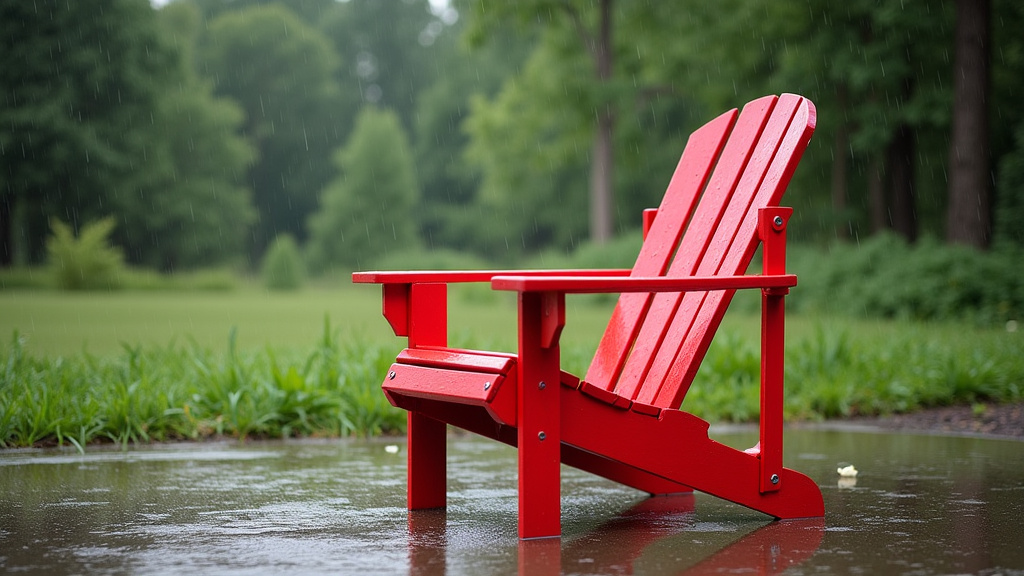
Maintenance Checklist for Rain-Proofing
Here’s a quick checklist to help you keep your Adirondack chairs ready for whatever Mother Nature throws their way:
- Check for loose joints or hardware.
- Clean off dirt, pollen, and mildew regularly.
- Inspect wood for cracks or splinters.
- Reapply wood sealant or paint as needed.
- Ensure drainage holes in plastic chairs are clear.
- Cover chairs during heavy storms or winter months.
When to Bring Your Chairs Indoors
While many Adirondack chairs are built for the outdoors, there are times when it’s simply better to bring them under cover. Think of it as giving them a cozy retreat from extreme conditions.
If you’re expecting a severe storm, hurricane, or a prolonged period of intense rain, it’s wise to move your chairs to a garage, shed, or covered porch. This is especially true for chairs made of less resilient materials or those with sentimental value.
During the off-season, like winter with snow and ice, it’s almost always best to store them indoors. This protects them from extreme temperature fluctuations and ice damage, helping them last many more years.
Comparing Adirondack Chair Materials and Their Rain Tolerance
To help you visualize the differences, we’ve put together a quick comparison of common Adirondack chair materials and how they stack up against the rain.
| Material Type | Rain Tolerance | Maintenance for Rain | Key Considerations |
|---|---|---|---|
| Recycled Plastic | Excellent | Low (occasional cleaning) | Won’t rot, warp, or fade easily. |
| Treated Wood (Cedar, Teak, Redwood) | Good to Very Good | Moderate (sealing/oiling every 1-3 years) | Naturally resistant, but benefits from care. |
| Untreated Wood (Pine, Fir) | Poor (without protection) | High (regular sealing/painting) | Prone to rot, warping, and cracking. |
| Aluminum | Excellent | Low (check for scratches) | Rust-resistant, lightweight. |
| Steel | Moderate (if coated) | High (inspect for rust, touch up paint) | Needs robust powder coating to prevent rust. |
| Composite | Very Good | Low to Moderate (occasional cleaning) | Durable blend, good moisture resistance. |
As you can see, your choice of material significantly impacts how much you need to worry about the rain. Pick the right material, and you can enjoy your chairs with minimal fuss.
Conclusion
Ultimately, keeping your Adirondack chair outside in the rain is possible, but it requires a bit of smart decision-making. Your chair’s material is the biggest factor in its rain resilience. We found that recycled plastic and naturally resistant woods offer the most carefree outdoor experience. For other materials, a little protection and routine care go a long way. By understanding your chair and its needs, you can ensure it remains a comfortable and attractive part of your outdoor space for years, rain or shine.
Frequently Asked Questions
How often should I re-seal my wooden Adirondack chair?
For wooden Adirondack chairs, we recommend re-sealing every 1-3 years. This timeframe can vary based on your local climate and the specific type of sealant you use. Regular inspection will help you determine the best schedule.
Can heavy rain flip over a lightweight Adirondack chair?
While unlikely in typical heavy rain, strong winds during a storm could potentially flip a very lightweight Adirondack chair. If you anticipate severe weather with high winds, it’s safest to bring lighter chairs indoors or secure them.
Is it better to cover my Adirondack chair or move it under a porch during rain?
Moving your chair under a covered porch or into a garage is generally better, as it provides more complete protection from direct rain and wind. If moving isn’t feasible, a good quality, well-secured furniture cover is a great alternative.
Will putting my Adirondack chair on grass cause more damage in the rain?
Yes, placing your chair directly on grass can lead to more moisture exposure for the chair’s legs. The ground stays wet longer, increasing the risk of rot or mildew. Consider placing a patio paver or small risers under the legs.
What’s the easiest way to clean mildew off an Adirondack chair after rain?
The easiest way to clean mildew is with a solution of mild soap and water, or a specialized outdoor furniture cleaner. Apply it with a soft brush, scrub gently, and then rinse thoroughly with a hose. Always allow the chair to air dry completely.
