
How Long Does a Patio Conversation Set Last?
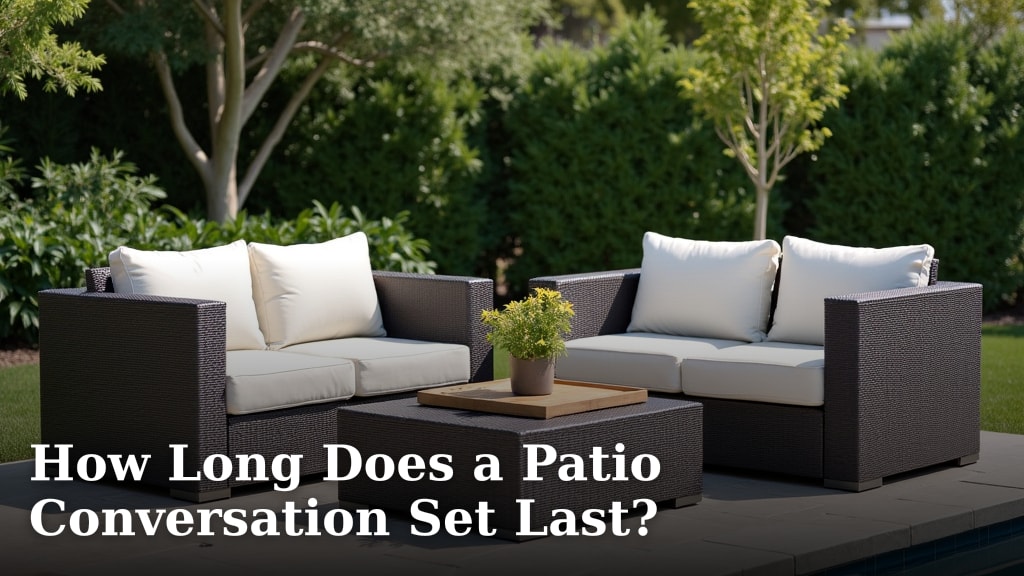
A patio conversation set can last anywhere from 5 to 15 years, depending heavily on the materials used and how well you care for it. High-quality materials and consistent maintenance are key factors in extending the lifespan of your outdoor furniture, ensuring you get many seasons of enjoyment.
Factors like weather exposure, construction quality, and the type of finish play a big role. We found that sets made from materials like teak, aluminum, or high-density polyethylene (HDPE) tend to outlast those made from lesser-quality plastics or flimsy metals, especially in harsh climates.
- Sets can last 5-15 years.
- Material quality is a huge factor.
- Weather and care impact longevity.
- Proper maintenance is essential.
- Invest in durable materials for best results.
Below, we’ll break down what you need to know about how long your patio conversation set will stick around and what you can do to help it last.
“`htmlUnderstanding Your Patio Conversation Set’s Lifespan
So, you’re wondering, how long can you expect your lovely patio conversation set to stick around? It’s a fair question, especially after you’ve invested in creating that perfect outdoor oasis. We’ve found that most patio conversation sets can comfortably last between 5 and 15 years.
But this isn’t a magic number. Many factors come into play, much like predicting how long a favorite sweater will last based on how often you wear it and how you wash it. Your set’s longevity hinges on its materials, build quality, and how much love (and sometimes neglect) it receives.
The Biggers: Materials Matter Most
When we talk about how long your patio furniture will last, the materials used are the top dog. Think of it like building a house; the foundation and the materials used for the walls make a huge difference in its lifespan. Some materials are naturally tougher than others.
All-Weather Wicker: A Popular Choice
All-weather wicker, often made from polyethylene (PE) or PVC, is a crowd-pleaser for good reason. It’s designed to withstand the elements. We found that good quality all-weather wicker can easily last 7 to 10 years, sometimes even longer with proper care.
It’s resistant to fading, cracking, and peeling. This makes it a solid choice for areas with harsh sun or frequent rain. Just be sure you’re getting a set made with UV inhibitors, as this helps prevent sun damage over time. This is a key feature many manufacturers include.
Metal Frames: Aluminum and Steel
Metal is another common material for patio furniture frames. Let’s break down the two main types you’ll see:
Aluminum: Lightweight and Rust-Resistant
Aluminum is fantastic because it’s lightweight and naturally rust-resistant. This means you don’t have to worry about those unsightly rust spots that can form on other metals. We’ve seen aluminum sets maintain their integrity for 10 to 15 years, sometimes more, especially when powder-coated for extra protection.
The powder coating adds an extra layer of defense against the elements and wear. It also comes in many colors, offering design flexibility. However, lighter aluminum can sometimes be more prone to tipping in windy conditions.
Steel: Sturdy but Needs Protection
Steel is known for its strength and durability. It’s a heavier option, which can be good in windy areas. However, untreated steel will rust. Many steel furniture pieces are treated with protective coatings, like powder-coating or galvanization, to prevent this.
With good maintenance and a quality finish, steel sets can last a respectable 8 to 12 years. You’ll need to keep an eye on any chips or scratches in the coating, as these can be entry points for rust. We found that prompt touch-ups are essential for steel furniture.
Wood: Natural Beauty with Needs
Wood furniture brings a classic, natural charm to your patio. Its lifespan varies greatly depending on the type of wood and how it’s treated.
Teak and Cedar: The Outdoor Stars
Hardwoods like teak are renowned for their natural oils and density, which make them highly resistant to moisture, insects, and rot. Teak can easily last 15 to 20 years, or even longer, with minimal care. It will develop a beautiful silvery-gray patina over time, which many people love.
Cedar is another excellent choice. It’s naturally resistant to decay and insects, and it’s lighter than teak. Cedar furniture can last 10 to 15 years. Like teak, it will also weather to a gray color.
Other Woods: Pine, Fir, and Eucalyptus
Softer woods like pine or fir are generally less expensive but also less durable outdoors. They require regular sealing and maintenance to prevent rot and insect damage. Without diligent care, you might only get 3 to 7 years out of these. Eucalyptus is a bit hardier and can last 5 to 10 years with proper sealing.
The key takeaway for wood is that regular sealing and oiling are non-negotiable if you want it to last. Think of it like moisturizing your skin – it needs consistent attention to stay healthy.
Plastic and Resin: Budget-Friendly Options
Plastic furniture, especially high-density polyethylene (HDPE) or resin wicker, is often chosen for its affordability and low maintenance. These materials are designed to resist moisture and UV rays.
Good quality HDPE furniture, often called “polywood” or “recycled plastic lumber,” is incredibly durable. We found that these sets can easily last 10 to 20 years. They don’t crack, fade, or splinter. They are a fantastic low-maintenance option.
Cheaper, flimsy plastic furniture, however, might only last 2 to 5 years. It can become brittle in the sun, crack easily, and fade quickly. It’s definitely a case of getting what you pay for.
How Weather and Environment Play a Role
Your patio set doesn’t live in a vacuum. The weather it endures plays a massive role in its lifespan. Think about how different materials hold up in various conditions.
Sun Exposure: The Fading Factor
Direct, intense sunlight is a major enemy of outdoor furniture. UV rays can break down materials over time, causing them to fade, crack, or become brittle. This is especially true for plastics and fabrics.
We found that materials with UV-resistant treatments, like powder-coated aluminum or HDPE, fare much better. Even then, prolonged exposure will eventually take its toll. Keeping cushions stored away and using furniture covers can make a big difference.
Rain and Humidity: Moisture Woes
Moisture can lead to rust in metal furniture and rot or mildew in wood and fabric. While many outdoor materials are designed to be water-resistant, standing water can still cause problems.
Proper drainage is key. If your furniture sits in puddles, it’s going to degrade faster. For wood furniture, ensuring it dries out properly after rain is important. Many experts say that materials like teak naturally repel moisture, giving them an edge.
Temperature Fluctuations: Expansion and Contraction
Extreme temperature changes, especially freezing and thawing cycles, can cause materials to expand and contract. This can lead to stress cracks and weakening over time. This is more of a concern for less robust materials like cheap plastic or untreated wood.
Metal can also be affected, though good quality metal furniture is built to withstand these changes. Fabrics might become stiff in the cold and then stretch in the heat.
The Impact of Use and Maintenance
Beyond materials and weather, how you use and care for your conversation set is a huge determinant of its lifespan. Are you treating it gently or is it a battle zone for kids and pets?
Daily Wear and Tear: Everyday Use
The more you use your furniture, the more wear and tear it will experience. This isn’t necessarily a bad thing – you bought it to be used! But understanding this helps set realistic expectations.
Chairs that are constantly shifted, tables that have drinks spilled on them, and cushions that get a lot of sitting will naturally show signs of aging sooner than those used less frequently.
Cleaning: The Cornerstone of Longevity
Regular cleaning is one of the simplest yet most effective ways to extend the life of your patio set. Dirt, grime, pollen, and bird droppings can degrade finishes and materials over time.
We found that a simple wash with mild soap and water can do wonders. For specific materials, like teak, using specialized cleaners can help maintain their natural beauty and protective qualities. Always check the manufacturer’s recommendations.
Storage: Protecting Your Investment
When the seasons change or during harsh weather events, storing your furniture can significantly prolong its life. This is especially true for cushions, umbrellas, and any furniture made from materials that aren’t completely weather-proof.
Ideally, furniture should be stored in a dry, protected place like a garage, shed, or basement. If storing outdoors, using heavy-duty, breathable furniture covers is the next best thing. Make sure covers don’t trap moisture, as this can lead to mold and mildew.
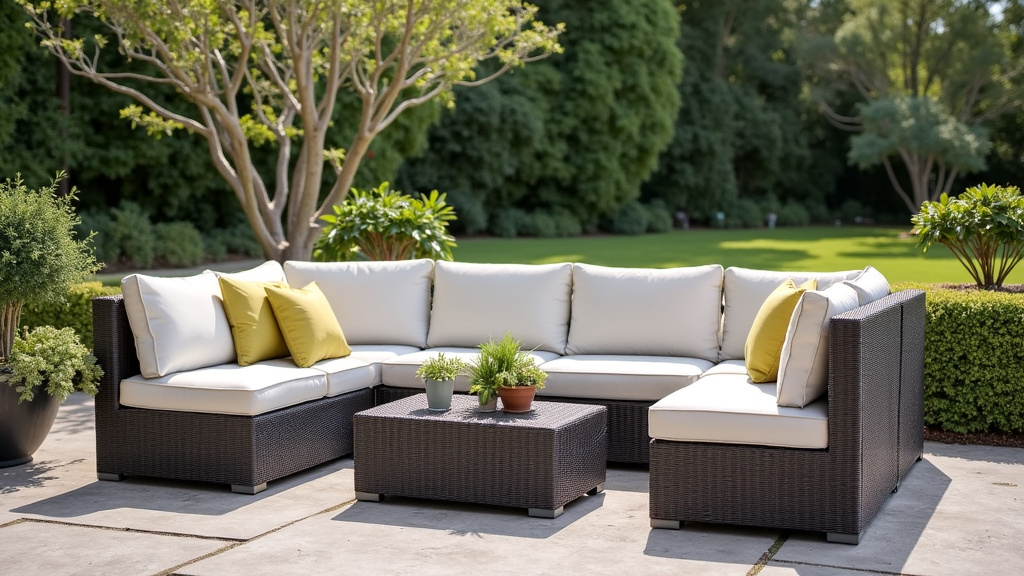
A Quick Comparison Table
To give you a visual idea of what to expect, here’s a look at typical lifespans based on material:
| Material Type | Typical Lifespan | Key Considerations |
|---|---|---|
| HDPE/Polywood | 10-20+ years | Very durable, low maintenance, UV resistant. |
| Teak | 15-20+ years | Naturally weather-resistant, develops patina, requires occasional oiling. |
| Powder-Coated Aluminum | 10-15+ years | Lightweight, rust-proof, can be blown by wind. |
| All-Weather Wicker (High Quality) | 7-10+ years | UV resistant, needs occasional cleaning. |
| Powder-Coated Steel | 8-12 years | Strong, heavy, needs touch-ups if coating chips. |
| Cedar | 10-15 years | Naturally insect and rot resistant, weathers to gray. |
| Lower Quality Plastic | 2-5 years | Prone to cracking, fading, and becoming brittle. |
Your Checklist for a Longer-Lasting Set
Want to get the most out of your investment? Here’s a quick checklist to help your patio conversation set go the distance:
- Choose wisely: Opt for durable materials like HDPE, teak, or quality aluminum.
- Clean regularly: A simple wash with soap and water goes a long way.
- Protect from sun: Use covers or store cushions when not in use.
- Dry thoroughly: Ensure wood and metal don’t sit in standing water.
- Inspect for damage: Address chips, scratches, or loose parts promptly.
- Consider storage: Protect your set during off-seasons or extreme weather.
Conclusion
You’ve learned that your patio conversation set’s lifespan is a mix of smart choices and ongoing care. Investing in durable materials like HDPE or teak sets you up for success, often yielding 15 years or more of enjoyment. Even with great materials, consistent cleaning and protection from the harshest elements will make a difference. By following our tips for cleaning, storage, and prompt repairs, you can ensure your outdoor oasis remains a comfortable place for gatherings for many seasons to come. Now, take a look at your current set and decide which maintenance steps you can implement today to extend its life.
Frequently Asked Questions
Can I leave my patio furniture outside all year?
Leaving your furniture outside year-round is possible, but it significantly impacts its lifespan. Materials like teak and HDPE are more resilient to constant exposure. However, even these benefit from some protection, especially from heavy snow or ice accumulation. We found that most sets will degrade faster if left uncovered and exposed to extreme weather consistently.
How often should I clean my patio furniture?
We recommend cleaning your patio conversation set at least twice a year: once in the spring before you start using it regularly, and again in the fall before storing it. A quick wipe-down every few weeks during the season also helps prevent grime buildup. Regular cleaning prevents damage from dirt, pollen, and bird droppings.
What’s the best way to protect cushions from rain?
The best way to protect your cushions is to store them indoors or in a waterproof storage container when not in use, especially during rainy periods or overnight. If they do get wet, ensure they dry completely before being put back on the furniture to prevent mold and mildew growth. Some outdoor fabrics are water-resistant, but prolonged exposure can still lead to damage.
Will cheap plastic furniture ever last as long as more expensive options?
Generally, no. Cheaper plastic furniture often uses lower-quality materials that become brittle and fade quickly when exposed to sunlight and weather. While it might be an initial cost-saver, these sets typically last only a few years. Investing in higher-density plastics like HDPE or recycled lumber offers much better long-term value.
Does the color of my patio furniture affect how long it lasts?
Yes, the color can play a role, particularly with sun exposure. Lighter colors tend to reflect more sunlight, potentially staying cooler and showing fading less dramatically than dark colors. Darker materials can absorb more heat, which can accelerate material degradation over time. Fabrics and plastics are most affected by this phenomenon.
