Can You Leave Teak Furniture Outside All Year?

Yes, you can leave teak furniture outside all year, and it will last for decades. Teak is incredibly durable and weather-resistant, making it a top choice for outdoor living spaces. Its natural oils protect it from rain, sun, snow, and even insects.
While teak can handle all seasons, its appearance will change over time. Many people appreciate the silver-gray patina it develops. If you prefer to maintain the original honey-brown color, you’ll need to do some regular maintenance and care.
- Teak furniture can stay outside all year.
- It is naturally weather-resistant.
- Its color will change to a silver-gray.
- Regular care can preserve its original look.
Let’s explore how teak stands up to the elements and what you can do to keep yours looking great, no matter the season.
Teak Furniture’s Year-Round Outdoor Durability
You can confidently leave your teak furniture outdoors all year long. Its natural properties make it exceptionally resistant to weather extremes and pests.
This isn’t just marketing hype. Teak has been used for shipbuilding for centuries due to its incredible strength and longevity in harsh environments. What makes it so unique?
The Natural Resilience of Teak Wood
Teak wood, specifically from the Tectona grandis tree, possesses inherent qualities that allow it to thrive outdoors. It’s truly a marvel of nature’s engineering.
High Oil Content for Weather Protection
One of teak’s superpowers is its rich natural oil content. These oils are locked deep within the wood fibers. They act as an internal waterproofing agent.
This oil repels water, preventing it from penetrating the wood and causing rot, warping, or cracking. Think of it like a built-in, continuous weather shield for your furniture.
Dense Grain Structure for Strength
Teak also boasts a remarkably dense grain structure. This isn’t just about weight; it contributes significantly to the wood’s durability and resistance to impact.
The tight grain means less space for moisture to collect and fewer weak points for insects to exploit. It’s tough, rigid, and stands up well to everyday use and environmental stressors.
Resistance to Pests and Fungi
Those same natural oils that repel water also contain compounds that act as natural insecticides and fungicides. This is a huge advantage for outdoor furniture.
You won’t have to worry about termites munching on your patio set or mold and mildew taking root. It’s naturally equipped to fight off common outdoor threats (University of Florida).
How Teak Handles Different Seasons
Let’s break down how teak responds to the changing seasons. You might be surprised at how little you need to do.
Summer: Sun, Heat, and UV Rays
Summer brings intense sun and heat. Teak handles this gracefully. The strong UV rays are what primarily cause the wood to transition to its characteristic silver-gray patina.
This color change is purely cosmetic. It doesn’t affect the wood’s structural integrity or durability. It’s a natural aging process, like a distinguished person getting gray hair.
Heat doesn’t cause teak to warp or crack easily, thanks to its stable nature and oil content. It’s built for warm climates.
Autumn: Rain and Humidity
As leaves fall and rain becomes more frequent, teak continues to perform. Its natural oils shed water effectively. You’ll often see raindrops bead up on the surface and roll right off.
Humidity is also not a major concern. Teak has a low shrinkage and expansion rate compared to many other woods. This means it’s less likely to swell or crack when moisture levels fluctuate (Purdue University).
Winter: Snow, Ice, and Freezing Temperatures
This is where some people get nervous. Can teak really endure snow and ice? Yes, it absolutely can.
The dense, oily nature of teak prevents water from soaking in and freezing within the wood fibers. This protects it from the damaging expansion and contraction that ice can cause in less resilient woods.
You might find a light layer of snow on your teak, but once it melts, your furniture will be just fine. No special coverings are strictly needed, though some choose them for cosmetic reasons.
Spring: Thaw and Renewed Moisture
With the spring thaw comes more moisture and fluctuating temperatures. Teak handles this transition smoothly. The wood simply continues its natural cycle.
Any accumulated dirt or pollen from winter can be easily washed away with a gentle cleaning. It’s a great time to admire the patina and consider if you want to maintain it or restore the original color.
Understanding Teak’s Patina: The Silver-Gray Look
The most noticeable change when leaving teak outdoors is the development of its silver-gray patina. This is a hallmark of aged, natural teak.
Many owners actually prefer this look, as it signifies genuine, high-quality teak that has matured beautifully. It adds a certain rustic elegance to your outdoor space.
It typically takes about 9-12 months of outdoor exposure for the patina to fully develop, depending on your climate and sun exposure. Don’t worry, it’s a sign of good health, not decay.
Maintaining Teak Outdoors: Keeping its Original Color or Embracing the Patina
So, you know your teak will survive. But what about its appearance? You have choices here. Do you want that classic silver-gray, or do you prefer the warm, honey-brown it started with?
Embracing the Silver-Gray Patina
If you love the silver-gray look, your maintenance routine is incredibly simple. It’s mostly about keeping the furniture clean.
We found that minimal intervention is best if you’re aiming for the patina. It’s a “set it and forget it” approach, almost.
- Regular Cleaning: A gentle wash with mild soap and water a few times a year is usually enough.
- Soft Brush: Use a soft-bristle brush to remove dirt, dust, and pollen.
- Rinse Thoroughly: Always rinse well to prevent soap residue.
- Air Dry: Let it air dry naturally in the sun.
That’s it! Your teak will simply age gracefully, requiring minimal effort from you.
Preserving the Original Honey-Brown Color
If you prefer to keep that initial warm honey-brown, you’ll need a bit more effort. This usually involves regular cleaning and the application of a teak sealer.
A note of caution: many people confuse teak oil with teak sealer. They are not the same thing. Teak oil often contains linseed oil, which can encourage mildew growth when exposed to the elements. A proper teak sealer or protector is what you need.
Steps to Maintain Original Color:
- Deep Clean: Start with a thorough cleaning using a specialized teak cleaner. This removes dirt and opens the wood pores.
- Light Sanding (Optional): If the wood has already started to gray, a very light sanding with fine-grit sandpaper (e.g., 220 grit) can help remove the gray surface layer.
- Apply Teak Sealer: Once the wood is clean and completely dry, apply a high-quality teak sealer according to the manufacturer’s instructions. This creates a barrier against UV rays and moisture.
- Reapply Sealer Regularly: Depending on your climate and the product, you’ll likely need to reapply the sealer every 6-12 months. This forms a protective layer that helps delay the graying process.
This process is more involved but completely achievable if the original look is what you desire for your outdoor space. Think of it as sunscreen for your furniture.
What About Teak Covers? Are They Necessary?
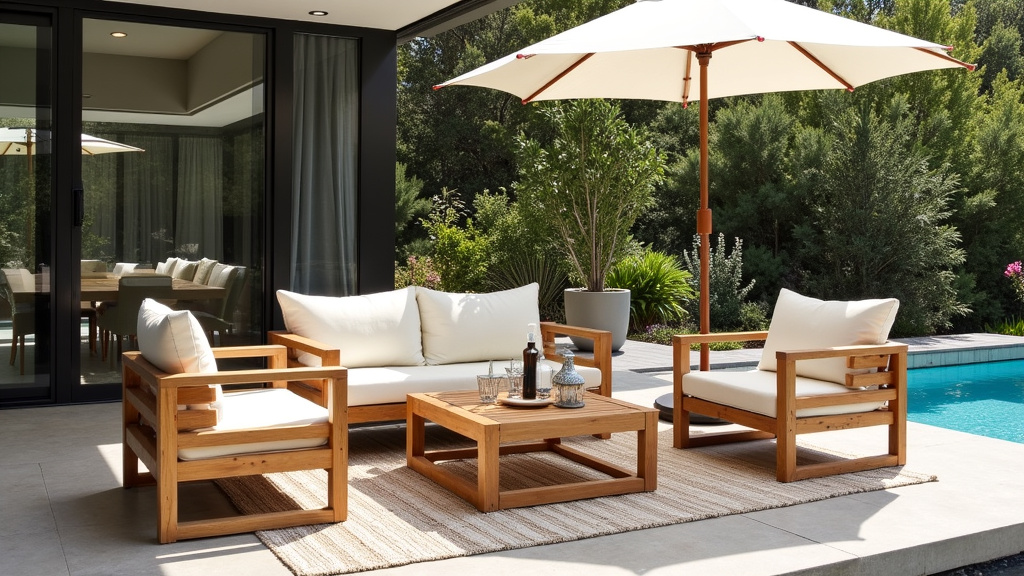
Covers for your teak furniture aren’t strictly necessary for its survival. As we’ve discussed, teak is built to withstand the elements completely uncovered.
However, some owners choose to use covers for specific reasons:
| Reason for Using a Cover | Impact on Teak |
|---|---|
| To keep furniture clean from dust, pollen, bird droppings | Reduces cleaning frequency, keeps surface pristine. |
| To prevent the development of the silver-gray patina | Delays or prevents graying by blocking UV rays. |
| For added protection in very extreme, prolonged weather events (e.g., severe blizzards) | Provides an extra layer of defense, though rarely essential. |
| To deter vandalism or theft | Offers a minor deterrent, hides furniture from view. |
If you do use a cover, ensure it’s breathable to prevent moisture buildup underneath, which can lead to mold or mildew. Look for covers made from materials like woven polyester with a breathable membrane.
Final Checklist for Year-Round Teak Care
Here’s a quick summary of what to keep in mind for your teak furniture, no matter the season:
- Clean regularly with mild soap and water.
- Decide if you want the silver-gray patina or honey-brown.
- Use a proper teak sealer if you want to maintain the original color.
- Consider breathable covers for cleanliness or to delay graying.
- Inspect occasionally for any debris or buildup.
- Relax and enjoy your durable, low-maintenance furniture!
Conclusion
So, can you leave teak furniture outside all year? Absolutely. Your teak pieces are designed by nature to endure every season, from scorching summer sun to freezing winter snow, without compromising their structural integrity. You have the freedom to choose its aesthetic journey: embrace the elegant silver-gray patina that develops naturally, or maintain its original honey-brown warmth with a little regular care.
Whether you opt for minimal maintenance or dedicated color preservation, your investment in teak will reward you with decades of beauty and function. Now, enjoy your beautifully resilient outdoor living space with full confidence!
Frequently Asked Questions
Is it better to cover teak furniture in winter?
You don’t need to cover teak furniture for its survival during winter; it’s naturally resistant to snow and ice. However, covering it can help keep it cleaner, reduce the need for spring cleaning, and slow down the graying process if you prefer the original honey-brown color.
Does teak furniture get too hot to sit on in direct sun?
Like any material left in direct sun, teak can get warm, but it generally doesn’t retain heat as much as metal furniture. Its natural properties allow it to dissipate heat relatively well. For ultimate comfort on very hot days, placing it in a shaded area or using cushions is always a good idea.
How often should I clean outdoor teak furniture?
For basic maintenance, a gentle cleaning with mild soap and water a few times a year is usually sufficient, especially if you’re embracing the silver-gray patina. If you’re trying to preserve the original color, you might clean it more frequently and apply a teak sealer every 6-12 months.
Can leaving teak furniture outside all year shorten its lifespan?
No, leaving teak furniture outside all year will not shorten its lifespan. Teak is renowned for its exceptional durability and longevity in outdoor environments, often lasting for decades. Its natural oils and dense grain protect it from the elements, ensuring it remains robust season after season.
Will teak furniture splinter if left outside year-round?
High-quality teak furniture is very unlikely to splinter when left outdoors year-round. Its dense grain and natural oils prevent excessive drying and cracking, which are common causes of splintering in less durable woods. Any minor rough spots can typically be smoothed with light sanding.