What Is a Fire Pit Table Made Of?
On this page (3 sections)
A fire pit table is typically made from a combination of durable, weather-resistant materials designed to withstand heat and outdoor elements. You’ll often find fire pit tables constructed from aluminum, stainless steel, and various composite materials, ensuring longevity and safety for your backyard enjoyment.
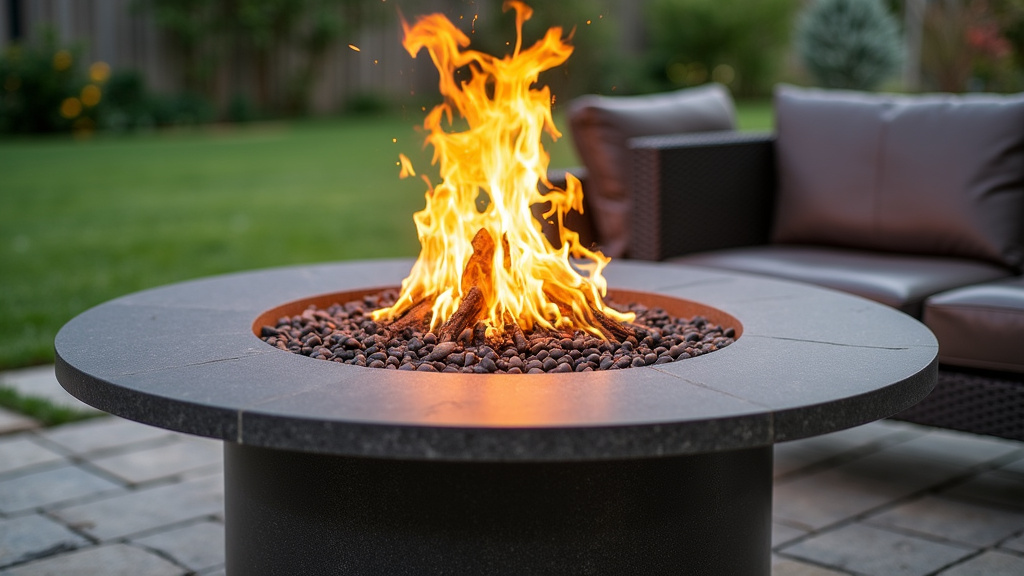
Most fire pit tables feature an inner burning mechanism made from steel or brass, often housing a propane tank or natural gas line. The outer shell, or tabletop, provides a sturdy surface for drinks and snacks while concealing the fuel source. What kind of look are you going for in your outdoor space?
- What are fire pit tables made of?
- What materials are strongest for a fire pit table?
- What materials to avoid for a fire pit table?
- How long do fire pit tables last?
Let’s dive into the specifics of what makes up a great fire pit table and help you understand your options. We’ll explore the common materials and what each offers.
Understanding Fire Pit Table Construction Materials
Fire pit tables are typically crafted from materials that can handle intense heat and resist outdoor wear. You’ll find a mix of metals, composites, and natural stone, each offering unique benefits for your backyard oasis.
Primary Materials for Fire Pit Table Frames and Bodies
When you’re choosing a fire pit table, the frame material is key. It dictates the table’s strength, longevity, and how it will look over time. We’ve looked into the most common options to help you decide.
Aluminum: Lightweight and Rust-Resistant
Many fire pit tables use aluminum frames. It’s a popular choice because it’s naturally rust-proof and relatively lightweight. This means you can move your fire pit table more easily if you ever want to rearrange your patio.
Aluminum is also a great option if you live in a humid climate or near the coast. Salt air can be brutal on other metals, but aluminum stands strong. It’s often powder-coated to give it a beautiful finish and an extra layer of protection (National Association of Metal Finishers).
Stainless Steel: Durability and Modern Appeal
For a truly robust and modern look, stainless steel is a fantastic choice. It’s incredibly durable, resistant to corrosion, and can withstand high temperatures without warping.
While stainless steel can be more expensive than aluminum, its strength and sleek appearance often justify the cost. It’s also easy to clean, maintaining its shine with minimal effort. Think of it as the workhorse of outdoor furniture materials.
Wrought Iron: Classic Strength with a Hefty Feel
If you’re after a more traditional or ornate design, wrought iron might catch your eye. It’s very strong and heavy, meaning your fire pit table won’t be easily knocked over by strong winds.
However, wrought iron does require more maintenance than aluminum or stainless steel. It can rust if its protective coating is scratched or wears away. Regular inspection and touch-ups are necessary to keep it looking its best.
Tabletop and Surrounding Materials
Beyond the frame, the tabletop is what you and your guests will interact with most. It needs to be heat-resistant, durable, and visually appealing. Here are the common materials you’ll encounter.
Composite Materials: Versatility and Low Maintenance
Composite materials are engineered products that combine different substances to create something new. For fire pit tables, this often means materials like concrete composites, fiber-reinforced concrete, or specialized plastics designed for outdoor use.
These materials offer a wide range of aesthetic options, from sleek modern finishes to textures mimicking natural stone. They are generally resistant to weathering, fading, and require very little upkeep. We’ve found that many composite tabletops are designed to be surprisingly lightweight compared to their natural stone counterparts.
Natural Stone: Timeless Beauty and Weight
Nothing quite compares to the look and feel of natural stone. Materials like granite, marble, slate, or even cast stone (a type of refined concrete) are often used for fire pit tabletops. They offer unique patterns and a substantial, high-end appearance.
Natural stone is very durable and heat-resistant. However, it can be heavy, making the fire pit table difficult to move. Some stones might also require sealing to protect against stains, and they can be more susceptible to cracking in extreme temperature changes if not properly cared for.
Tile: Decorative and Customizable Options
You’ll also see fire pit tables with tile tabletops. This can be anything from ceramic to porcelain or even natural stone tiles. Tile allows for a huge variety of colors, patterns, and textures, giving you many design possibilities.
While tile is generally durable and heat-resistant, the grout lines between tiles can sometimes be a challenge. They can collect dirt or stain, and in some cases, extreme temperature fluctuations might cause grout to crack. Regular cleaning and occasional re-sealing of grout can help.
Internal Components: The Heart of the Flame
The parts of your fire pit table that actually produce the flame are just as important as the exterior. These components need to be built to handle intense heat safely.
Burner and Pan Materials: Where the Fire Happens
The burner assembly, which includes the burner ring and the pan that holds it, is typically made from stainless steel or sometimes brass. Stainless steel is preferred for its high heat resistance and ability to withstand repeated heating and cooling cycles without corroding or degrading.
Brass is another excellent option, known for its durability and resistance to high temperatures. Both materials ensure a long-lasting and safe flame source for your fire pit table. When we looked, most manufacturers prioritize these metals for safety and performance (National Fire Protection Association).
Hoses and Connectors: Propane or Natural Gas Pathways
The hoses and connectors that link your fuel source (propane tank or natural gas line) to the burner are crucial for safety. These are usually made of durable rubber or braided stainless steel, designed to be leak-proof and resistant to kinks and damage.
You’ll often find these components are certified by organizations like the CSA (Canadian Standards Association) or UL (Underwriters Laboratories) in the U.S., ensuring they meet strict safety standards. Always make sure these connections are secure before operating your fire pit.
What Materials Should You Avoid for a Fire Pit Table?
Not all materials are suitable for close proximity to fire or harsh outdoor conditions. Knowing what to steer clear of can save you headaches and ensure safety.
- Untreated Wood: While beautiful, untreated wood can easily catch fire and isn’t safe for the primary structure of a fire pit table, especially near the burner.
- Standard Plastic: Most plastics will melt, warp, or off-gas harmful fumes when exposed to heat. Only specialized, high-temperature composite plastics are safe.
- Glass without Tempering: Regular glass can shatter dangerously when heated unevenly. Only use tempered glass or fire-rated glass for windscreens or decorative elements.
- Thin Metals: Very thin metals can warp or degrade quickly under heat, compromising the structure and safety of your fire pit.
- Flammable Fillers: Avoid using anything flammable directly inside the burner pan, other than approved fire glass, lava rocks, or ceramic logs.
Comparing Common Fire Pit Table Materials
To give you a clearer picture, here’s a quick comparison of some popular materials. This can help you weigh the pros and cons based on your priorities.
| Material | Pros | Cons | Typical Use |
|---|---|---|---|
| Aluminum | Lightweight, rust-proof, low maintenance | Can be dented, less heat-retentive | Frame, body |
| Stainless Steel | Highly durable, corrosion-resistant, sleek | More expensive, can show fingerprints | Frame, burner, pan |
| Concrete Composite | Versatile aesthetics, weather-resistant, durable | Heavy, can chip if impacted | Tabletop, body |
| Natural Stone | Unique beauty, very durable, heat-resistant | Very heavy, can require sealing, expensive | Tabletop, body |
Checklist for Choosing Your Fire Pit Table Materials
As you’re browsing, keep these points in mind. They’ll help you focus on the materials that best suit your needs and outdoor space.
- Is the frame material rust-resistant for your climate? You might also be interested in learning if you can leave patio furniture outside in winter, as this impacts material choice.
- Can the tabletop withstand spilled drinks and direct sun?
- Are the internal burner components made of stainless steel or brass?
- Does the overall construction feel sturdy and well-made?
- Is the material easy to clean and maintain?
- Does the look of the material match your outdoor decor?
Understanding these material differences will help you make an informed decision. You’re investing in an outdoor feature that should bring joy and warmth for years to come!
Conclusion
Choosing the right fire pit table materials ensures years of enjoyment and safety. You’ve seen how different options like aluminum, stainless steel, and various composites offer unique benefits for frames and tabletops. Remember to prioritize durable, heat-resistant components, especially for the internal burner system. By considering your climate, aesthetic preferences, and maintenance tolerance, you can confidently select a fire pit table that perfectly suits your outdoor living space. Your ideal backyard warmth is just a well-informed decision away!
Frequently Asked Questions
Is a heavy fire pit table better than a lightweight one?
Not necessarily “better,” but a heavier fire pit table, often made from natural stone or wrought iron, can offer greater stability in windy conditions. Lighter options like aluminum are easier to move if you like to rearrange your patio or store it seasonally. Consider your specific needs for stability versus portability.
Can I leave my fire pit table out in the rain?
Most fire pit tables are designed with weather-resistant materials like aluminum or composite to withstand outdoor elements, including rain. However, we recommend using a protective cover when not in use to extend its lifespan and keep it clean. This helps prevent water from pooling in the burner pan and protects the finishes. Our guide on whether you need a protective cover for patio furniture can help you decide if this is the right choice for your fire pit table.
How do I clean the different materials on my fire pit table?
Cleaning depends on the material. Aluminum and stainless steel usually need just a damp cloth and mild soap. Composite surfaces often wipe clean easily. Natural stone may require specific stone cleaners and occasional sealing, while wrought iron needs rust prevention and touch-ups. Always check the manufacturer’s care instructions for the best results.
Do all fire pit tables come with covers?
While many fire pit tables include a basic cover, it’s not universal. You might need to purchase a high-quality, custom-fit cover separately, especially for more premium models. We found that investing in a good cover is crucial for protecting your fire pit table from weather and debris when it’s not being used.
What is fire glass made of, and is it safe?
Fire glass is typically made from tempered glass that has been tumbled to remove sharp edges. It’s designed to withstand high temperatures without melting, burning, or emitting fumes, making it a very safe and attractive filler for your fire pit. Always ensure you’re using fire-rated glass specifically meant for fire features.