Do You Need a Cover for a Outdoor Sectional?
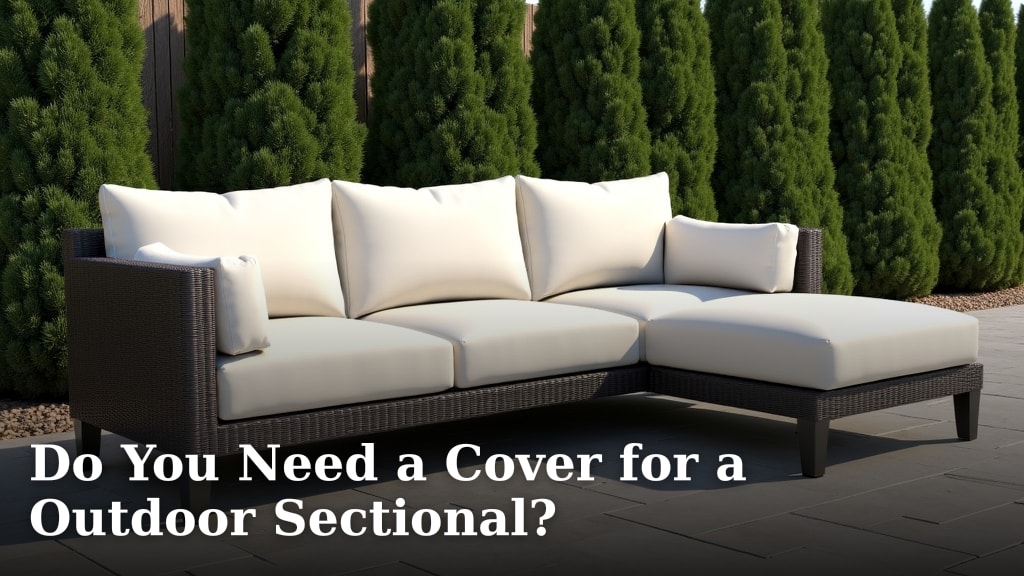
Yes, you absolutely need a cover for an outdoor sectional if you want it to last. Protecting your furniture from the elements is key to extending its lifespan and keeping it looking great.
Without a cover, your beautiful outdoor sectional faces constant exposure to sun, rain, and debris. This can lead to fading, mildew, and damage over time, making your investment less enjoyable. We found that most outdoor furniture manufacturers strongly recommend using a cover.
- Protects from sun damage and fading.
- Prevents rain, snow, and moisture issues.
- Keeps pollen, dirt, and leaves off.
- Extends the life of your furniture.
- Saves you money on replacements.
So, let’s look at why a cover is so important and how to pick the best one for your outdoor sectional.
Why Covering Your Outdoor Sectional Is Essential
You’ve made a great investment in your outdoor sectional. It’s the centerpiece of your patio or deck, providing comfort and style. But to keep it looking its best, a cover isn’t just an option; it’s a necessity.
Think of it as insurance for your outdoor furniture. A good cover protects your sectional from the daily wear and tear of being outside. It guards against harsh weather and keeps away dirt and debris. This simple step can save you a lot of hassle and money in the long run.
Protection from the Elements: Your Sectional’s Best Defense
The outdoor world can be tough on furniture. Your sectional faces challenges every single day. A cover acts as a shield, defending against these common threats.
Sun Damage and Fading
The sun, while lovely for lounging, is actually one of your sectional’s biggest enemies. Its UV rays are powerful.
Over time, constant sun exposure will fade the fabric of your cushions and frame. Vibrant colors can become dull and washed out. Some materials can even become brittle and crack. A cover blocks these harmful rays, keeping your sectional looking bright and new.
We found that UV damage is a leading cause of outdoor furniture deterioration (Outdoor Living Today research).
Rain, Snow, and Moisture Issues
Water is another common issue. Rain and snow can soak into cushions, leading to a host of problems. Even waterproof fabrics aren’t always 100% immune, especially in heavy downpours or over long periods.
Moisture can cause mildew and mold growth, which smell bad and can ruin your cushions. It can also lead to rust on metal frames or rot on wood components. A cover keeps your sectional dry, preventing these moisture-related headaches.
Damp conditions are perfect for fungal growth, as many textile experts confirm.
Wind and Debris Protection
Strong winds can carry all sorts of things onto your patio. Leaves, pollen, dust, and even small branches can land on your furniture. This mess can be hard to clean and can scratch surfaces.
A cover keeps all this debris off your sectional. When you’re ready to use it, just remove the cover, and your furniture is clean and ready. It’s like magic, but it’s just good planning!
Extending Lifespan and Saving Money
Nobody wants to replace expensive outdoor furniture every few years. A cover is a smart investment that pays for itself by making your sectional last much longer.
By protecting against sun, rain, and debris, you’re preserving the integrity of the materials. This means fewer repairs and less need for early replacement. Think of the money you’ll save!
Choosing the Right Cover for Your Outdoor Sectional
Now that you know why a cover is so important, how do you pick the best one? It’s not just about throwing a tarp over your furniture. A good cover needs to fit well and be made from durable materials.
The right cover will offer maximum protection and be easy to use. Let’s look at what makes a cover great.
Key Features to Look For in a Cover
When you’re shopping for a cover, keep these features in mind. They will help you find a cover that truly meets your needs.
Material Matters: Durability and Weather Resistance
The material of your cover is crucial. You want something that can withstand the elements year-round. Common materials include polyester and vinyl.
- Polyester: Often treated for water resistance and UV protection. It’s usually more breathable, helping to prevent moisture buildup underneath. Look for high denier counts (e.g., 600D) for better durability.
- Vinyl: Very waterproof and durable. Can be heavier and less breathable than polyester. Great for very wet climates.
We found that covers with a PVC backing often provide excellent waterproofing while maintaining flexibility.
Ventilation for Airflow
It might seem counterintuitive to have vents on a cover, but they are very important. Vents allow air to circulate underneath the cover. This helps prevent condensation and moisture buildup, which can lead to mold and mildew.
Look for covers with built-in mesh vents. These vents keep water out while letting air in. It’s a small feature that makes a big difference for the health of your furniture.
Secure Fit and Fasteners
A cover is only effective if it stays on your sectional. Strong winds can easily blow off ill-fitting covers. You need features that secure the cover tightly.
Look for covers with:
- Elastic hems: Help hug the base of your sectional.
- Buckle straps: Clip around legs or bases for extra security.
- Drawstrings: Allow you to cinch the cover tight for a custom fit.
These fasteners ensure your cover stays put, even on blustery days.
Size and Shape Compatibility
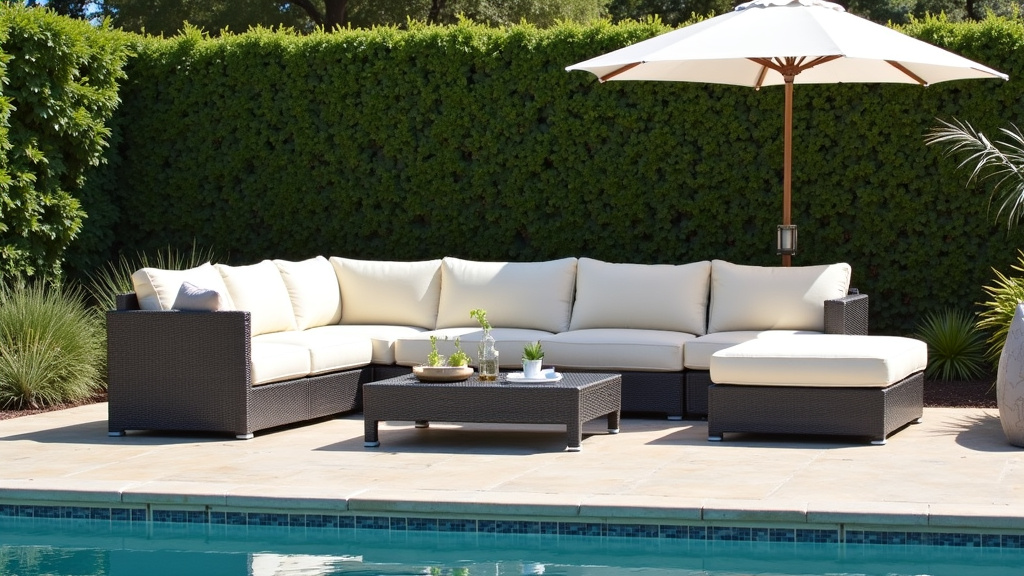
This is perhaps the most important consideration. Your sectional is likely made of multiple pieces. You might have a corner piece, an armless chair, and an ottoman, all connected.
You have two main options:
- Individual covers: For each separate piece. This offers flexibility but can be more work.
- One large sectional cover: Designed to fit a typical L-shaped or U-shaped sectional. Make sure to measure your entire sectional, including the deepest and highest points, before buying.
Always measure your sectional dimensions carefully. A cover that’s too small won’t fit, and one that’s too big can flap in the wind or collect water.
Here’s a simple checklist to guide your cover selection:
- Measure your sectional (length, width, height, depth of each section).
- Choose a durable, weather-resistant fabric (polyester or vinyl).
- Check for UV protection and water-resistant coatings.
- Ensure it has adequate ventilation (mesh vents are ideal).
- Look for secure fastening options (buckles, drawstrings, elastic hems).
- Consider the warranty – a good warranty shows manufacturer confidence.
Using and Maintaining Your Outdoor Sectional Cover
Once you have the right cover, knowing how to use it properly and keep it clean will maximize its effectiveness. A little care goes a long way in protecting your outdoor investment.
Proper Application and Removal
Putting on and taking off your cover shouldn’t be a struggle. Follow these tips for smooth operation.
When applying the cover, make sure your sectional is clean and dry. Trapping moisture under the cover can defeat its purpose. Drape the cover over the highest points first, then work your way down, securing all fasteners.
When removing it, try to fold or roll it neatly to avoid dragging it on the ground and picking up dirt. Store it in a dry place if you won’t be using it for a while.
Cleaning and Care for Your Cover
Your cover is working hard to protect your furniture, so it needs some protection itself! Regular cleaning will keep it performing its best.
Most covers can be cleaned with mild soap and water. Use a soft brush or cloth to gently scrub away dirt and debris. Rinse thoroughly with a hose and let it air dry completely before storing or putting it back on your sectional.
Avoid harsh chemicals or abrasive cleaners, as these can damage the waterproof coating or fabric. A clean cover not only looks better but also functions better.
We found that manufacturers often provide specific cleaning instructions, so always check the label or website.
When to Use Your Cover
Should you cover your sectional every night? Or only during certain seasons?
For optimal protection, we recommend covering your sectional whenever it’s not in use for an extended period, especially overnight or when bad weather is expected. If you live in an area with harsh winters or extreme summer sun, leaving it covered during those seasons is a wise choice.
If you’re just stepping inside for an hour, it might not be necessary. But if a storm is brewing or you’re done using your patio for the day, cover it up! It’s a quick habit that provides big benefits.
Regular use of your cover prevents the constant exposure that leads to premature aging of your furniture.
Conclusion
Ultimately, a cover isn’t just an accessory for your outdoor sectional; it’s a vital part of its maintenance. By understanding the threats from the elements and choosing the right cover, you’re actively safeguarding your investment. You’ll enjoy a beautiful, comfortable outdoor space for years to come without the headache of premature wear and tear.
So, take the simple step of covering your sectional. Your future self, and your wallet, will thank you!
Frequently Asked Questions
How long do outdoor sectional covers typically last?
The lifespan of an outdoor sectional cover varies based on material quality, local climate, and how well you maintain it. High-quality covers made from durable polyester or vinyl with UV treatment can last anywhere from 3 to 7 years, sometimes even longer with proper care.
Can I use a regular tarp instead of a specialized sectional cover?
While a regular tarp might offer some temporary protection, it’s generally not recommended for long-term use. Tarps often lack proper ventilation, leading to moisture buildup, mold, and mildew. They also typically don’t fit well, allowing wind to whip them around and potentially damage your furniture or the tarp itself.
Should I remove cushions before covering my outdoor sectional?
For optimal protection, especially during prolonged storage or heavy rain, it’s a good idea to remove cushions and store them in a dry, protected area. If you leave them on, ensure they are completely dry and that your cover provides excellent breathability to prevent mildew.
What’s the best way to store my outdoor sectional cover when not in use?
When you’re not using your cover, make sure it’s clean and completely dry. Fold or roll it neatly to prevent creases and store it in a cool, dry place, like a storage bin or shed. This helps preserve its material and extend its life.
Will a cover protect my sectional from pests or animals?
A properly fitted outdoor sectional cover can offer a degree of protection against curious critters. It can deter birds, squirrels, and other small animals from nesting or damaging your cushions. However, no cover is 100% animal-proof against determined chewing or clawing. It mainly keeps debris and casual animal interaction at bay.