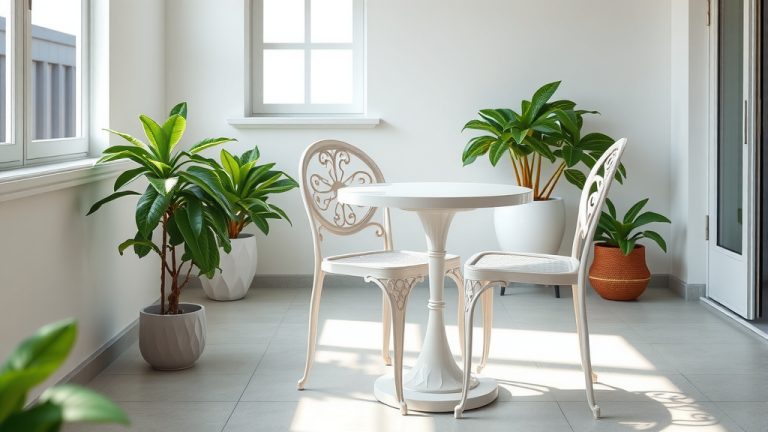
Why Does My Patio Dining Set Smell Musty?

Your patio dining set smells musty because of mildew or mold growth, which thrives in damp, shaded environments. These fungi release volatile organic compounds that create that unpleasant, earthy odor you’re noticing.
This common issue often happens when outdoor furniture, especially cushions and fabric slings, stays wet for too long after rain or dew. The lack of proper airflow combined with organic debris like leaves can create the perfect breeding ground for these smelly microorganisms.
- Musty smells come from mold/mildew.
- They love damp, dark places.
- Wet cushions are a common culprit.
- Poor airflow makes it worse.
- Cleaning and drying are key solutions.
So, how do you get rid of that funky smell and keep your outdoor space fresh? Let’s walk through why this happens and what you can do about it.
You’ve noticed that unpleasant earthy scent lingering around your patio dining set. It’s a common problem, and it’s almost always a sign of mildew or mold. These microscopic fungi love to set up shop in damp, shady spots, and your outdoor furniture, particularly cushions and slings, can be a perfect host.
Understanding the Musty Culprits: Mold vs. Mildew
That musty smell you’re noticing is definitely from some kind of fungal growth. But is it mold or mildew? While often used interchangeably, there are subtle differences between them. Both are fungi that thrive in similar conditions and cause that distinctive odor.
What is Mildew?
Mildew is typically a more surface-level type of fungus. It often appears as a powdery white or gray growth on surfaces like fabric, paper, or even plants. You might see it as a flat, dusty-looking patch. It’s usually easier to clean than mold because it hasn’t rooted deeply into the material.
What is Mold?
Mold is often more aggressive and can penetrate deeper into porous materials. It comes in various colors – black, green, blue, yellow, or even red – and often has a fuzzy or slimy texture. Unlike mildew, mold can sometimes cause structural damage to materials over time, and its spores can be more pervasive in the air, leading to potential health concerns for sensitive individuals (Centers for Disease Control and Prevention).
Why They Love Your Patio Set
Both mold and mildew need three things to thrive: moisture, warmth, and organic matter. Your patio dining set, especially its cushions, slings, and even the nooks and crannies of the frame, provides all three.
- Moisture: Rain, morning dew, spills, or even high humidity provide the necessary water. If your cushions stay wet for long periods, it’s an open invitation.
- Warmth: Outdoor temperatures, particularly during spring and summer, are ideal for fungal growth. They don’t like extreme cold or heat, but moderate warmth is perfect.
- Organic Matter: Dirt, pollen, spilled food, dead leaves, and even the natural fibers in some fabrics provide the food source these fungi need to grow.
The Perfect Storm: Conditions That Lead to Musty Smells
You might be wondering why your patio set suddenly developed this smell. It’s usually a combination of factors creating an ideal environment for mold and mildew to flourish.
Persistent Dampness
This is probably the biggest factor. Patio cushions and fabric slings are designed to be outdoors, but they’re not always designed to dry quickly. If they get soaked during a rainstorm and then don’t get enough sunlight or airflow to dry completely, that trapped moisture becomes a breeding ground.
- Slow Drying Fabrics: Some fabrics, especially thicker ones, hold onto water longer.
- Lack of Sunlight: Shaded patios, covered porches, or furniture placed under trees might not receive enough direct sunlight, which helps inhibit fungal growth and speeds up drying.
- High Humidity: Even without direct rain, high humidity can keep surfaces damp enough for mildew to start.
Poor Air Circulation
Airflow is crucial for drying. When your patio set is tucked away in a corner, covered, or the cushions are stacked tightly, air can’t circulate properly. This creates stagnant, humid pockets where fungi can multiply rapidly.
- Stacked Cushions: Stacking wet cushions traps moisture between them.
- Covers Without Ventilation: If you use a patio cover that seals too tightly, it can trap moisture inside, turning your furniture into a greenhouse for mildew.
- Tight Spaces: Furniture placed very close to walls or other objects limits airflow around it.
Accumulation of Organic Debris
Remember how fungi need organic matter to eat? Your patio is full of it! Leaves, pollen, dust, bird droppings, and even remnants of your last BBQ can settle on your furniture. When these combine with moisture, they become a delicious meal for mold and mildew.
- Pollen: A surprisingly good food source for fungi when it gets wet.
- Leaves and Twigs: Decomposing plant matter is a feast for mold.
- Food Spills: Even tiny crumbs can attract unwanted guests.
Consider this table comparing good vs. bad conditions for your patio set:
| Condition | Impact on Musty Smell | Why It Matters |
|---|---|---|
| Good: Full Sun Exposure | Reduces | UV light helps kill fungi and speeds up drying. |
| Bad: Constant Shade | Increases | Keeps moisture trapped; no UV to deter growth. |
| Good: Quick-Dry Fabric | Reduces | Sheds water efficiently, minimizes dampness. |
| Bad: Water-Retentive Fabric | Increases | Holds onto moisture, ideal for fungi. |
| Good: Open Airflow | Reduces | Allows moisture to evaporate quickly. |
| Bad: Stagnant Air | Increases | Traps humidity, creating a perfect fungal habitat. |
| Good: Regular Cleaning | Reduces | Removes organic food sources. |
| Bad: Accumulated Debris | Increases | Provides ample food for mold and mildew. |
Is That Musty Smell Harmful?
Beyond the unpleasant odor, you might be wondering if that musty smell is actually bad for you. For most people, a mild musty smell from outdoor furniture isn’t a huge health risk. However, it’s definitely an indicator of fungal growth, which can become problematic for some individuals.
- Allergies and Asthma: For people with mold allergies or asthma, exposure to mold spores can trigger symptoms like sneezing, runny nose, itchy eyes, skin rashes, or even asthma attacks (National Institute of Environmental Health Sciences).
- Respiratory Issues: Prolonged exposure to high concentrations of mold spores, especially in enclosed spaces, can sometimes lead to respiratory irritation even in those without pre-existing conditions.
- Irritation: The volatile organic compounds (VOCs) that create the musty smell can be irritating to some people’s eyes, nose, and throat.
The good news is that cleaning your patio set thoroughly and preventing future growth can effectively remove these potential irritants.

Your Action Plan: What To Do Right Now
Don’t despair! Getting rid of that musty smell and preventing its return is totally doable. It involves a bit of cleaning, some drying, and a few preventive measures. Here’s your immediate action plan:
Identify the Source
First, you need to pinpoint where the smell is strongest. Is it the cushions? The fabric slings? The frame itself? Often, it’s the fabric components, but check everything.
Move to a Sunny, Well-Ventilated Area
If possible, move the affected items to a spot where they can get plenty of direct sunlight and airflow. This will help start the drying process and naturally kill some of the mold and mildew.
Begin the Cleaning Process
This is where you tackle the fungi head-on. You’ll need some basic cleaning supplies, but always check your furniture manufacturer’s recommendations first, especially for fabric types. Many outdoor fabrics are durable, but it’s always smart to be safe.
Here’s a quick checklist for your immediate actions:
- Detach all cushions and slings from the frame.
- Brush off any loose dirt, leaves, or debris from all surfaces.
- If possible, vacuum cushions to remove embedded dirt and spores.
- Prepare a cleaning solution suitable for your furniture’s material.
- Test any cleaning solution on an inconspicuous spot first.
- Scrub affected areas thoroughly with your chosen cleaner.
- Rinse completely to remove all cleaning solution residue.
- Ensure everything dries 100% in the sun or with good airflow.
Conclusion
That musty smell on your patio dining set is a clear signal from mold or mildew, thriving in damp, poorly aired conditions. By understanding their needs—moisture, warmth, and organic snacks—you can effectively cut off their food supply. Taking simple steps like thorough cleaning, ensuring complete drying, and improving airflow can bring freshness back to your outdoor space.
Don’t let a little fungus ruin your relaxation. Take action now to clean your furniture and implement smart prevention strategies. Your nose, and your health, will thank you for it!
Frequently Asked Questions
How often should I clean my patio cushions to prevent musty smells?
Ideally, clean your patio cushions at least once a season, especially before storing them for winter. If you live in a very humid climate or use your patio frequently, a quick wipe-down or light cleaning every few weeks can be very beneficial.
Can a musty smell on patio furniture ever go away on its own?
Rarely. A musty smell indicates active mold or mildew growth, which won’t disappear until the source is removed. Simply airing out the furniture might temporarily reduce the smell, but it will return if the fungal growth persists.
What’s the best way to dry patio cushions after cleaning or rain?
Ensure they dry completely and quickly. Stand cushions on their sides or prop them up to allow air circulation on all surfaces. If possible, place them in direct sunlight. Avoid stacking them until they are 100% dry inside and out.
Are there any natural remedies to get rid of musty smells on outdoor furniture?
Yes, white vinegar mixed with water (50/50 ratio) is an effective natural disinfectant for mold and mildew. Baking soda can also absorb odors and can be sprinkled on dry cushions, left for a few hours, and then vacuumed off.
Can my patio umbrella also get a musty smell?
Absolutely. Patio umbrellas, especially their fabric canopies, are highly susceptible to musty smells. They often stay damp and folded for extended periods, creating an ideal environment for mold and mildew to grow. Always ensure your umbrella is completely dry before closing it for storage.