Which Is Better Steel Or Aluminum Patio Furniture?
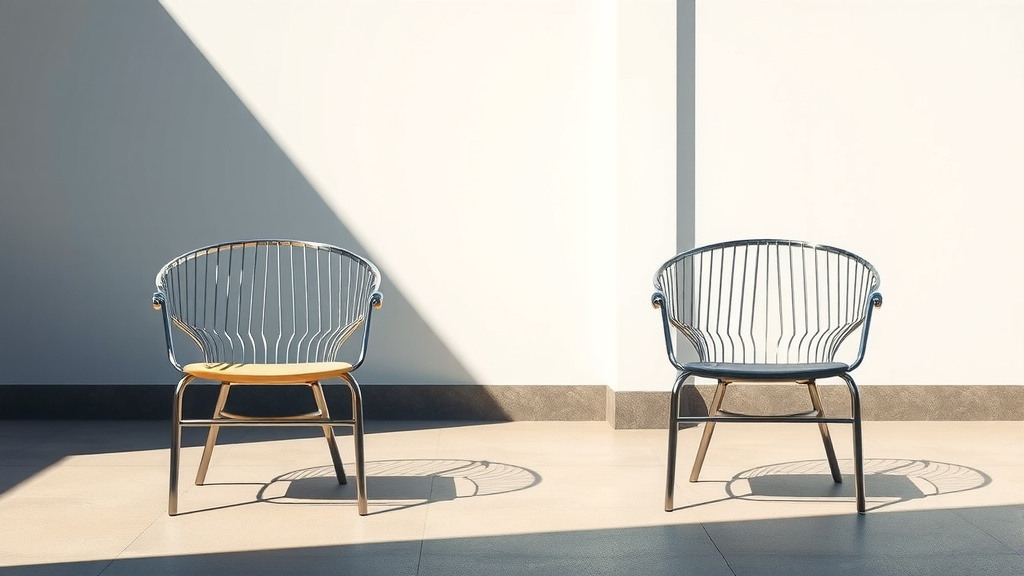
Aluminum patio furniture is generally lighter and highly resistant to rust, making it excellent for coastal areas and frequent rearranging.
Steel patio furniture, particularly wrought iron or stainless steel, offers superior strength and stability, often at a more budget-friendly price point, but typically needs more rust protection.
Here’s a quick summary to help you decide:
- Aluminum is your best bet for lightweight, rust-proof, and low-maintenance outdoor living.
- Steel provides heavy-duty strength, impressive stability, and is often more budget-friendly initially.
- Your local climate plays a big role: aluminum excels in humid, rainy environments.
- Consider how often you’ll move your furniture; aluminum is easy to shift, while steel stays put.
- Maintenance varies, with steel generally requiring more care against rust than aluminum.
Which Is Better Steel Or Aluminum Patio Furniture?
Deciding between steel and aluminum patio furniture really comes down to your personal needs and what you value most in outdoor living. There’s no single “better” choice; it’s about the right fit for your home.
Aluminum Patio Furniture: The Lightweight Champion
Aluminum is a popular choice for many homeowners, and for good reason. It offers a great balance of features for various outdoor settings.
Advantages of Aluminum
You’ll often find aluminum furniture easy to move. This is a huge plus if you like to rearrange your patio setup often or need to store pieces away quickly.
We found that aluminum naturally resists rust. This makes it an ideal material for humid climates, rainy seasons, or homes near saltwater (many experts say).
It also requires very little upkeep. A simple wash with soap and water usually keeps it looking fresh for years.
Aluminum comes in many styles and finishes, giving you plenty of design options for your outdoor space.
Disadvantages of Aluminum
On the flip side, aluminum can sometimes be pricier than steel. This is especially true for higher-quality pieces.
Its lightweight nature means it might blow around in strong winds. You might need to secure it or choose heavier designs in windy locations.
Aluminum can also dent or scratch more easily than steel. This is something to think about if your patio sees a lot of activity.
Steel Patio Furniture: The Strong and Stable Choice
Steel offers a different set of benefits, focusing more on strength and a grounded feel. It brings a robust presence to any outdoor area.
Advantages of Steel
Steel is incredibly strong and durable. It can handle heavy use and will stand up well against daily wear and tear.
Its weight provides excellent stability. You won’t worry about steel furniture shifting during a breezy afternoon.
Often, steel patio furniture can be more budget-friendly upfront. This makes it a great option if you’re working with a tighter budget.
Wrought iron, a type of steel, offers a classic, timeless look. It adds a sophisticated touch to traditional outdoor designs.
Disadvantages of Steel
The main drawback for steel is its potential for rust. Unless treated or made from stainless steel, it needs protection from moisture.
Steel furniture is also heavier. Moving it around can be a real workout, making it less flexible for rearranging.
It usually requires more maintenance. Regular cleaning and rust prevention efforts are often needed to keep it looking good (many home guides suggest).
Some steel types can also get very hot in direct sunlight. This is something to consider for seating areas.
Comparing Steel and Aluminum Patio Furniture
Let’s look at how these two materials stack up against each other directly. Understanding these differences can really help you choose.
| Feature | Aluminum Patio Furniture | Steel Patio Furniture |
|---|---|---|
| Weight | Lightweight, easy to move | Heavy, very stable |
| Rust Resistance | Excellent, naturally rust-proof | Prone to rust (unless treated or stainless) |
| Durability | Resists corrosion, can dent | Extremely strong, resists bending |
| Maintenance | Low (wash with soap and water) | Moderate (rust prevention, cleaning) |
| Cost | Generally higher initial cost | Often lower initial cost |
| Stability | Can be less stable in wind | Very stable, wind-resistant |
| Styles | Modern, contemporary, versatile | Classic, traditional, industrial |
Key Factors for Your Decision
When you’re making your choice, think about these important points. They guide you toward the best material for your unique outdoor space.
Consider Your Climate
If you live in a coastal area with salty air or a region with frequent rain, **aluminum’s rust resistance** is a huge advantage. Steel will need more diligent care to prevent corrosion.
Think About Weight and Movement
Do you like to rearrange your patio furniture often? Then **lightweight aluminum** is your friend. If your furniture stays put and needs to resist strong winds, **heavy steel** provides superior stability.
Assessing Durability and Strength
Both materials are durable, but in different ways. Steel offers **impressive strength against impact**, while aluminum excels in **corrosion resistance**. Consider what kind of wear and tear your furniture will face.
Understanding Maintenance Needs
Are you looking for minimal upkeep? **Aluminum furniture** generally asks for less from you. Steel will require more attention, especially coatings to prevent rust (research often shows).
Budgeting for Your Furniture
Your budget often plays a role in the decision. **Steel furniture** can be more affordable upfront, while **aluminum might have a higher initial price**. Think about long-term value, too.
Matching Your Style
Both materials offer a wide range of styles. Aluminum tends to lend itself to more **modern and sleek designs**. Steel, especially wrought iron, is perfect for **classic or industrial looks**.
Your Patio Furniture Checklist
To make your decision even easier, run through this quick checklist:
- Is rust a major concern where you live? (Consider aluminum)
- Do you need to move your furniture around frequently? (Aluminum is ideal)
- Are you seeking maximum stability in windy conditions? (Steel provides this)
- Is your budget a primary consideration for the initial purchase? (Steel might be cheaper)
- Do you prefer a classic, heavy aesthetic? (Wrought iron steel is perfect)
- How much time are you willing to spend on maintenance? (Aluminum is lower effort)
Conclusion
Choosing between steel and aluminum patio furniture doesn’t have to be a difficult task. Both materials bring fantastic qualities to your outdoor space. Your ideal choice truly depends on what matters most for you and your home.
Whether you prioritize the **rust-proof ease of aluminum** or the **unyielding strength of steel**, you’re setting the stage for wonderful outdoor memories. Take a moment to weigh your specific needs, and you’ll find the perfect match.
Frequently Asked Questions
Is aluminum patio furniture truly rust-proof?
Yes, aluminum is naturally resistant to rust. It forms a protective oxide layer when exposed to air, which prevents it from corroding in the same way iron-based metals do. This makes it an excellent choice for any outdoor environment, especially humid or coastal regions.
Does steel patio furniture require special care?
Steel furniture, particularly wrought iron or standard steel, does need more care than aluminum. It often requires regular cleaning, touch-up paint, and sealing to protect against rust, especially if it’s not stainless steel or has its protective coating scratched or worn.
Which material is better for windy areas?
For very windy locations, steel patio furniture is generally the better option. Its significant weight helps it stay in place, minimizing the risk of pieces blowing away or moving around. Aluminum, being lighter, might need to be secured or chosen in heavier designs if wind is an issue.
Can aluminum furniture be repaired if it dents?
Small dents in aluminum furniture can sometimes be repaired by professionals, but it often depends on the extent of the damage. For more serious dents or structural damage, repair might be challenging or costly, potentially requiring replacement of the affected piece.
What is the typical lifespan of steel versus aluminum patio furniture?
With proper care, both steel and aluminum patio furniture can last for many years, even decades. The lifespan largely depends on the quality of the specific product, how well it’s maintained, and the climate it’s exposed to. Steel needs consistent rust prevention, while aluminum requires less, but both are very durable.