What Paint To Use On Wicker Patio Furniture?
The best paint for wicker patio furniture is typically a high-quality exterior spray paint, specifically formulated for outdoor use on plastics, resin, or furniture. You need a durable option that can withstand diverse weather conditions and frequent use on your cherished wicker pieces.
We’ve found that a good spray paint provides even coverage and gets into all those intricate wicker nooks and crannies much better than a brush, saving you time and effort.
- You’ll want a high-quality exterior spray paint for your wicker furniture.
- Thorough cleaning and priming are essential for a lasting finish.
- Several thin coats are better than one thick coat for even coverage.
- Allow plenty of drying and curing time before using your newly painted items.
- Protect your wicker to keep that fresh paint looking great for years.
What Paint To Use On Wicker Patio Furniture?
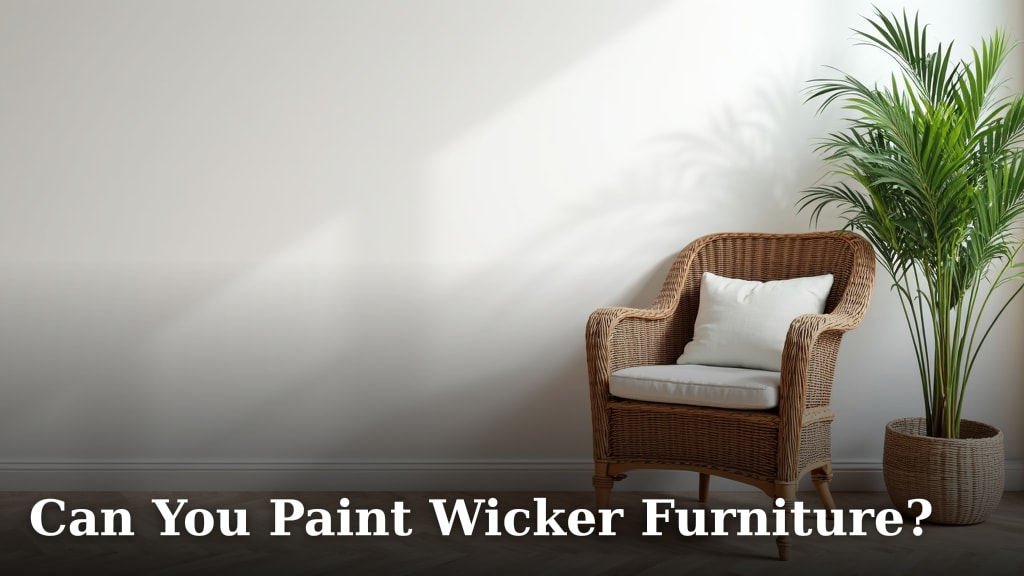
When you’re ready to refresh your wicker patio furniture, choosing the right paint makes all the difference for a beautiful and lasting finish. For more detail, see our guide to painting wicker furniture. We’ve found that a premium exterior spray paint is your best bet for these unique pieces.
Why Spray Paint Wins for Wicker Furniture
Imagine trying to paint every little weave of wicker with a brush. It sounds like a weekend project turning into a lifetime commitment, right? That’s why spray paint is a game-changer for wicker. It’s like magic, reaching all those tiny spots effortlessly.
Spray paint ensures a smooth, even coat without brush marks. It dries faster too. Many experts agree that for wicker’s complex texture, spray paint delivers the best results (Good Housekeeping).
Picking the Right Type of Spray Paint
Not all spray paints are equal, especially for outdoor furniture. You need one specifically designed for exterior use. Look for paints labeled for “outdoor furniture,” “plastic,” “resin,” or “all-purpose outdoor.”
These paints are formulated to resist fading, chipping, and moisture. They stand up to sunlight, rain, and temperature changes much better than indoor paints. Many research sources show that exterior-grade paints offer superior protection for outdoor items.
Prep Work is Non-Negotiable
Think of painting like baking a cake; the prep work is just as important as the ingredients. Without proper preparation, even the best paint won’t stick well or last long. This step is where your hard work truly pays off.
Cleaning Your Wicker
Before any painting begins, your wicker must be sparkling clean. Dust, dirt, pollen, and cobwebs are paint’s worst enemies. Use a soft brush or a vacuum to remove loose debris.
Then, mix a mild soap solution with water. Gently scrub the wicker with a soft cloth or sponge. Rinse thoroughly with a garden hose, but don’t soak it. Let your furniture dry completely, which might take a day or two in the sun.
Repairing Minor Damage
Take a moment to inspect your wicker for any loose strands or breaks. You can often re-weave loose pieces back into place. For more detail, see our guide to weaving wicker furniture. For bigger breaks, a strong, flexible epoxy or wood glue designed for outdoor use works wonders. Make sure any repairs are fully cured and dry before you move on.
Sanding? Maybe!
Wicker furniture usually doesn’t need heavy sanding. But if your old paint is peeling or chipped, a light sanding with fine-grit sandpaper (around 220-grit) can help smooth out rough spots. The goal isn’t to remove all the old paint, but to create a smooth base for the new coat.
Priming for Success
A good primer is like an insurance policy for your paint job. It helps the paint adhere better, especially if you’re changing colors drastically or painting over a difficult surface. Choose an exterior-grade spray primer that’s compatible with your paint type.
Apply one thin, even coat of primer. Let it dry completely according to the manufacturer’s instructions. Skipping this step can lead to uneven color and poor adhesion down the line.
The Painting Process
Now for the fun part! You’ve cleaned, repaired, and primed. Your wicker is ready for its transformation. For more detail, see our guide to painting wicker patio furniture. Pick a calm, dry day with low humidity for the best results.
| Paint Type | Pros for Wicker | Cons for Wicker |
|---|---|---|
| Exterior Spray Paint | Excellent, even coverage; gets into crevices; fast drying. | Can be messy; requires good ventilation; less control than brush. |
| Exterior Brush-On Paint | Precise control; wide color selection; durable finish. | Slow and tedious; brush strokes visible; hard to get even. |
| All-in-One Paint + Primer Spray | Convenient; saves a step; good adhesion. | Might be thicker; not always ideal for drastic color changes. |
Best Spray Painting Techniques
Always hold the can about 8-12 inches from the surface. Use a steady, back-and-forth motion, overlapping each pass slightly. Keep the can moving to avoid drips and heavy spots.
It’s always better to apply several thin coats rather than one thick one. This prevents drips and ensures a much smoother finish. Allow each coat to dry to the touch before applying the next.
How Much Paint Do You Need?
This is a common question. A standard 12-ounce can of spray paint typically covers about 15-20 square feet. For a small chair, you might need 1-2 cans. A larger sofa could require 3-4 cans or more.
Always buy a little extra. Running out midway through your project is frustrating, and color matching later can be tricky. It’s better to have a spare can for touch-ups or a future small project.
Drying and Curing Your Wicker
Paint drying isn’t just about being dry to the touch; it also needs to “cure.” Drying means the solvents evaporate. Curing is when the paint hardens completely, reaching its full durability.
Follow the manufacturer’s instructions for both drying times between coats and the full cure time. This can range from 24 hours to several days. Using your furniture before it’s fully cured can lead to dents, scratches, or a sticky surface.
Protecting Your Fresh Paint Job
Once your wicker is beautifully painted and fully cured, you’ll want to protect that hard work. Consider adding a clear, exterior-grade sealant or topcoat for extra durability. This layer acts as a shield against the elements and daily wear.
Store your wicker furniture under a covered patio or use furniture covers when not in use. Regular cleaning with mild soap and water will also keep it looking fresh. These small steps help extend the life of your paint job and your furniture.
Wicker Painting Checklist
- Gather all tools and supplies.
- Clean wicker thoroughly and let dry completely.
- Make any necessary repairs to wicker.
- Lightly sand if old paint is peeling.
- Apply exterior-grade primer.
- Apply several thin coats of exterior spray paint.
- Allow full drying and curing time.
- Consider a clear sealant for added protection.
Conclusion
Giving your wicker patio furniture a fresh coat of paint is a fantastic way to revitalize your outdoor space. By choosing the right exterior spray paint and dedicating time to proper preparation, you’ll achieve a beautiful, long-lasting finish.
Remember, patience is key. Don’t rush the cleaning, priming, or drying stages. With these steps, your wicker pieces will look brand new, ready for many seasons of enjoyment. You’ve got this, and your patio will thank you!
Can I use interior paint on outdoor wicker furniture?
No, you should not use interior paint on outdoor wicker furniture. Interior paints are not formulated to withstand outdoor elements like UV rays, rain, and humidity. They will quickly fade, crack, and peel, leaving your furniture looking worn and unprotected.
Do I need to prime wicker before painting?
Yes, priming wicker before painting is highly recommended, especially if you’re changing colors significantly or painting over a dark color with a lighter one. An exterior-grade primer ensures better paint adhesion and a more even, durable finish.
How do I prevent spray paint from dripping on wicker?
To prevent drips, apply several very thin coats of spray paint rather than one thick coat. Keep the spray can moving constantly in a steady, sweeping motion about 8-12 inches from the surface. Avoid holding the can still in one spot.
How long does painted wicker furniture last outdoors?
The lifespan of painted wicker furniture outdoors depends on the paint quality, prep work, and exposure to elements. With proper preparation, high-quality exterior paint, and good maintenance (like covering it), your paint job can last anywhere from 3 to 7 years or even longer.
What if my wicker furniture has mildew?
If your wicker furniture has mildew, clean it thoroughly before painting. Mix a solution of one part bleach to three parts water, or use a commercial mildew cleaner. Scrub the affected areas with a brush, rinse well, and allow it to dry completely in the sun. Ensure all mildew is gone before priming and painting.