What Type Of Patio Furniture Lasts The Longest?
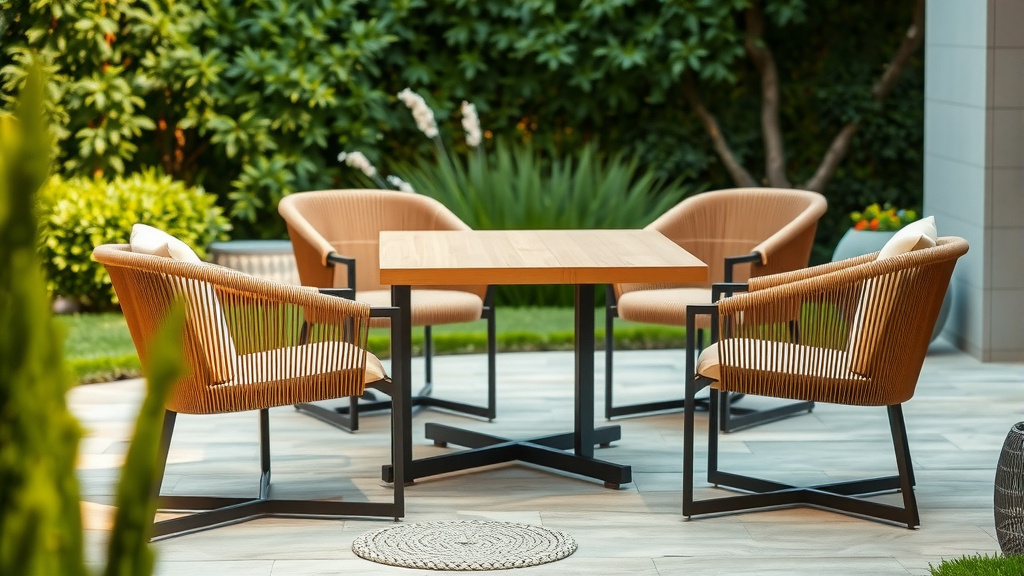
The patio furniture that lasts the longest often comes from materials like teak, aluminum, and high-density polyethylene (HDPE) wicker. These options stand up to weather and use better than most.
You will find these materials resist rot, rust, and UV damage, making them a wise choice for enduring outdoor beauty and function.
- Teak is a naturally weather-resistant hardwood that turns a beautiful silvery gray over time.
- Aluminum offers lightweight durability and rust resistance, especially with powder-coated finishes.
- HDPE Wicker (not PVC) withstands UV rays, moisture, and temperature shifts without cracking.
- Stainless Steel provides exceptional strength and rust protection for a modern look.
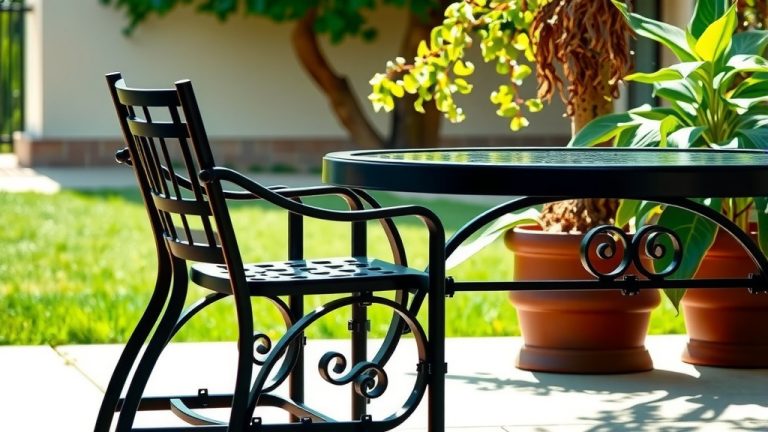
- Wrought Iron is extremely heavy and strong, offering classic style with significant longevity if maintained.
What Type Of Patio Furniture Lasts The Longest?
When you are looking for outdoor pieces that truly stand the test of time, certain materials consistently outperform others. The best choices are those built to resist nature’s many challenges.
Teak Furniture: The Enduring Classic
Teak wood is often considered the gold standard for long-lasting patio furniture. Why is this so? It contains natural oils and a tight grain structure that makes it incredibly resistant to rot, pests, and harsh weather. We found that teak can last for decades, even without special treatment.
This beautiful hardwood naturally weathers to a soft, silvery-gray patina. Many people love this aged look, but you can maintain its original honey-brown color with proper oiling (industry experts suggest this annually).
Caring for Teak
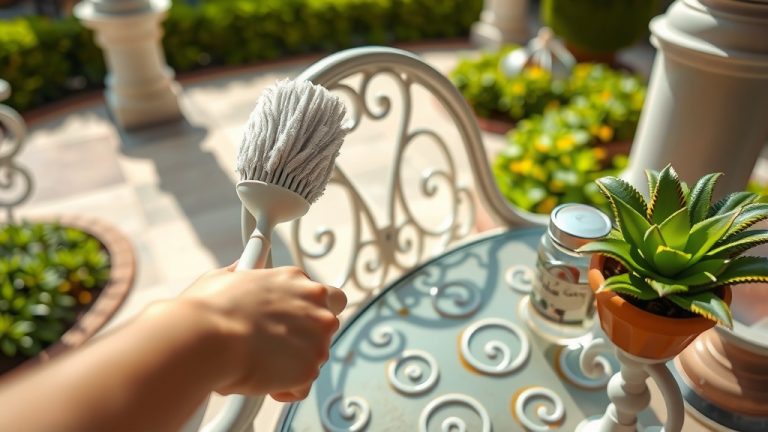
Caring for teak is straightforward. You will want to clean it periodically with a soft brush and soapy water. If you prefer the natural gray, no further sealing is necessary. For a warm wood tone, a simple teak oil application works wonders.
Aluminum Furniture: Lightweight and Resilient
For a durable yet lightweight option, aluminum is tough to beat. It does not rust, which is a big advantage over other metals, especially in humid or coastal areas. Research shows that powder-coated aluminum is especially durable.
Aluminum frames are typically hollow, making them easy to move around your patio. This metal is also highly resistant to cracking or warping from temperature changes. It is a popular choice for its strength and minimal upkeep.
Powder-Coated Finish
A powder-coated finish adds an extra layer of protection to aluminum. This process bakes a dry powder onto the metal, creating a tougher, more chip-resistant surface. Many manufacturers say that this finish significantly extends the life of your furniture.
HDPE Wicker: The Synthetic Survivor
Do you love the look of woven wicker but worry about it breaking down? High-Density Polyethylene (HDPE) wicker is your answer. Unlike cheaper PVC or plastic varieties, HDPE is designed for extreme durability.
It is resistant to UV rays, moisture, and fluctuating temperatures. This means it will not fade, crack, or become brittle like other synthetic materials. Many experts agree that HDPE is a top contender for longevity in synthetic options.
Why HDPE is Better
The secret is in the material’s composition. HDPE is a premium resin woven into a traditional wicker style. It retains its flexibility and color over many years, proving to be a reliable and low-maintenance choice for outdoor settings.
Stainless Steel Options
For a sleek, modern aesthetic and exceptional durability, consider stainless steel. This metal is renowned for its strength and superior resistance to rust and corrosion. Many premium outdoor collections use it for its robust and sophisticated appeal.
While often heavier than aluminum, stainless steel stands up well to heavy use and various weather conditions. We found that proper grade selection, like marine-grade 316 stainless steel, offers the best longevity for outdoor use.
Wrought Iron: The Heavyweight Contender
Wrought iron furniture has a classic, timeless look and incredible weight. It is not easily moved by strong winds, making it a good choice for windy locations. With proper care, wrought iron can last for generations.
Its main needs are regular cleaning and touch-ups to prevent rust. Many experts suggest that good quality wrought iron, when regularly repainted or treated, will provide decades of loyal service.
Comparing Long-Lasting Patio Furniture Materials
Let us look at how these top materials stack up against each other for different qualities. This might help you decide which one best suits your needs.
| Material | Durability | Weather Resistance | Maintenance | Weight |
|---|---|---|---|---|
| Teak | Excellent | High (natural oils) | Low (for gray), Medium (for color) | Medium-Heavy |
| Aluminum | Good to Excellent | High (rust-proof) | Low | Light |
| HDPE Wicker | Excellent | High (UV, moisture) | Low | Light-Medium |
| Stainless Steel | Excellent | High (corrosion-resistant) | Low-Medium | Heavy |
| Wrought Iron | Exceptional | Medium (needs rust prevention) | Medium-High (for rust) | Very Heavy |
Other Factors for Longevity
Beyond the material, a few other things significantly impact how long your patio furniture will last. Considering these can help you extend the life of any outdoor piece.
The Role of Climate
Your local climate is a huge factor. If you live in a coastal area, salt air can be harsh on many materials. In sunny regions, UV radiation can quickly degrade unprotected finishes. Research often connects specific environmental conditions with the wear and tear of outdoor items.
Extremes of heat, cold, or humidity also play a part. Choosing furniture designed for your specific climate will help it last much longer. For example, rust-proof materials are a must in wet regions.
Proper Maintenance
Just like your car needs oil changes, your patio furniture benefits from a little care. Regular cleaning and occasional treatments can make a big difference. Many experts say that preventative maintenance is key to extending lifespan.
Cleaning and Protecting
Keep your furniture clean by wiping away dirt and grime regularly. Use appropriate cleaners for the material; for instance, avoid harsh chemicals on painted surfaces. Applying a protective sealant or wax can also shield surfaces from wear.
Storage and Covers
When not in use, especially during off-seasons, protecting your furniture is vital. Storing items indoors or using high-quality furniture covers can add years to their life. Think of covers as a shield against the elements.
Even the most durable materials benefit from being protected from prolonged exposure to harsh sun, heavy rain, or snow. A good cover prevents fading, cracking, and rust, keeping your furniture looking new for longer.
Making Your Choice Easier
So, how do you pick the absolute best option for your home? Think about your specific needs, your climate, and how much care you are willing to give. Here is a quick checklist to guide you:
- Is the material naturally weather-resistant or well-treated?
- Does it fit your climate (e.g., rust-proof for humidity)?
- Are you prepared for its specific maintenance needs?
- Does its weight suit your needs (e.g., easy to move or wind-resistant)?
- Is the design something you will love for years to come?
Conclusion
Choosing patio furniture that lasts the longest means investing in materials known for their resilience and durability. Teak, aluminum, HDPE wicker, stainless steel, and wrought iron consistently rank high for their ability to withstand outdoor conditions. Remember, your climate, maintenance habits, and storage solutions also play a big part in its overall lifespan. By considering these factors, you can make a smart decision that brings you joy and comfort for many seasons to come. You are not just buying furniture; you are creating lasting memories outdoors.
How often should I clean my long-lasting patio furniture?
You should aim to clean most long-lasting patio furniture, such as teak, aluminum, or HDPE wicker, at least once or twice a year, ideally in the spring and fall. For high-traffic areas or very dusty environments, more frequent light cleaning may be beneficial to prevent dirt buildup.
Does painting or sealing furniture extend its life?
Yes, painting or sealing can definitely extend the life of certain furniture types, especially metals like wrought iron where it prevents rust. For woods like teak, sealing can maintain its original color, while allowing it to weather naturally is also a durable option. Always use products suitable for outdoor use.
Is investing in outdoor furniture covers really worth it?
Absolutely, investing in good quality outdoor furniture covers is highly recommended. Covers protect your furniture from harsh UV rays, rain, snow, and dirt, significantly reducing wear and tear. This simple step can add years to the life of even the most durable materials.
What is the most durable cushion material for outdoor furniture?
For cushions, solution-dyed acrylic fabrics like Sunbrella are considered the most durable. They offer superior fade resistance, water repellency, and mildew resistance, making them ideal for long-lasting outdoor comfort. Look for cushions with quick-drying foam interiors too.
How does temperature affect patio furniture longevity?
Extreme temperature fluctuations can affect patio furniture. Very cold temperatures can make some plastics brittle, while intense heat and UV exposure can cause fading or warping. Materials like aluminum, HDPE wicker, and teak are generally more stable across a range of temperatures, but protection during extreme weather is always beneficial.