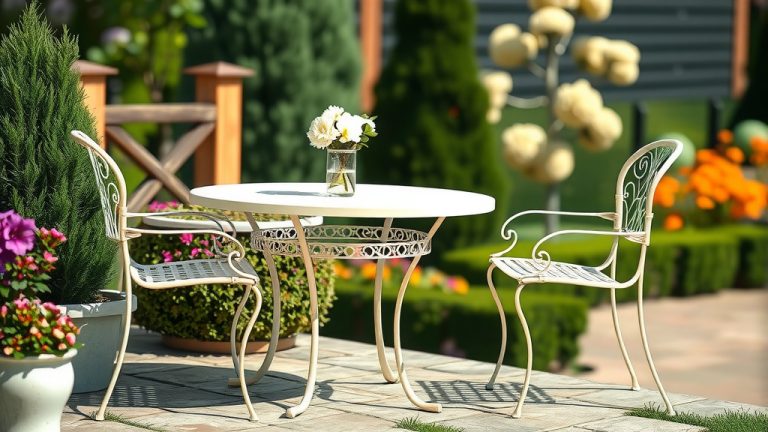
What To Use To Clean Wrought Iron Patio Furniture?

To clean wrought iron patio furniture, you will primarily use a gentle solution of dish soap and warm water. This mixture is excellent for removing general dirt, grime, and pollen without harming the finish.
For more stubborn marks like rust or mildew, a paste of baking soda and water or a mild abrasive can be effective, followed by thorough rinsing.
- Start with a simple dish soap and water solution for everyday cleaning.
- Use a soft brush or cloth to gently scrub the furniture’s surface.
- For rust spots, consider a baking soda paste or specialized rust remover.
- Always rinse thoroughly and dry your wrought iron furniture completely to prevent new rust.
- Apply a protective wax or paint regularly to keep your furniture looking its best.
What To Use To Clean Wrought Iron Patio Furniture?
You can effectively clean wrought iron patio furniture using a combination of mild soap, warm water, and the right tools. This approach helps preserve its classic look and extends its life.
Our research shows that simple, household items often perform best for routine maintenance (National Ironwork Association).
Why Regular Cleaning Keeps Your Patio Looking Great
Think of your wrought iron furniture as a sturdy friend, always there for you outdoors. But even friends need a little care.
Regular cleaning is not just about looks; it is about preventing rust, corrosion, and keeping its original charm for years to come.
Understanding Your Wrought Iron Furniture
Wrought iron is strong, but it can rust if left unprotected or untreated. Knowing this helps you choose the right cleaning methods.
You are working with a material known for its durability, so a gentle yet firm approach is usually best.
Your Essential Cleaning Kit: Simple and Effective
You do not need fancy gadgets to clean wrought iron. The best tools are probably already in your home.
Gathering these items before you start will make the process much smoother, believe us.
- Bucket of warm water
- Mild dish soap (like Dawn or similar)
- Soft cloths or sponges
- Soft-bristle brush (a toothbrush works for tight spots)
- Old towels for drying
- Optional: Baking soda, white vinegar, or commercial rust remover
Step-by-Step: The Basic Cleaning Process
Ready to make your wrought iron shine? Let us walk through the simple steps together.
This routine is perfect for general dirt, dust, and pollen that collect over time.
Mixing Your Cleaning Solution
First, grab a bucket and fill it with warm water. Add a few drops of mild dish soap, just enough to create some suds.
You want a gentle solution, not a bubble bath for your furniture. Too much soap can leave a residue.
Wiping Down the Surface
Dip a soft cloth or sponge into your soapy water. Wring it out so it is damp, not soaking wet.
Begin wiping down all surfaces of your furniture. Pay attention to nooks and crannies where dirt might hide.
Scrubbing Away Stubborn Dirt
For areas with more caked-on dirt, use your soft-bristle brush. Gently scrub the affected spots.
A toothbrush is fantastic for ornate designs or tight spaces, helping you reach every detail.
Rinsing Your Furniture Properly
This step is critical! Use a fresh bucket of plain water and a clean cloth to wipe away all soap residue.
You can also use a garden hose on a gentle setting, but avoid high pressure sprays which can chip paint or force water into crevices (research shows this can lead to rust).
Drying Thoroughly is a Must
After rinsing, dry your wrought iron furniture immediately with old towels. Do not let it air dry.
Any standing water can quickly lead to rust, especially in hidden spots, and we want to prevent that.
Tackling Tougher Challenges: Rust and Mildew
Sometimes, basic cleaning is not enough. Your furniture might have developed a little rust or mildew from the elements.
Do not worry, these issues are manageable with a bit more effort and the right approach.
When Rust Appears: Your Plan of Attack
Rust is wrought iron’s arch-nemesis, but it is not unconquerable. You have a few options for fighting it.
Small spots can be handled differently than larger, more established rust areas.
Baking Soda Paste for Light Rust
For minor rust spots, we find that a paste made from baking soda and water works wonders. Apply it directly to the rust.
Let it sit for about an hour, then gently scrub with a soft brush or even a crumpled piece of aluminum foil (Consumer Reports often suggests this for gentle abrasion).
Commercial Rust Removers for More Severe Cases
If rust is more widespread, consider a commercial rust remover designed for metal. Always follow the product instructions carefully.
These products are stronger, so wearing gloves and eye protection is a good idea, as many experts advise.
Dealing with Mold and Mildew
Mold and mildew love damp, shady spots. You will notice them as black or green fuzzy patches on your furniture.
A simple solution of white vinegar and water can often do the trick.
| Cleaning Challenge | Recommended Solution | Application Method |
|---|---|---|
| General Dirt/Grime | Mild dish soap and warm water | Soft cloth or sponge, rinse, dry |
| Light Rust Spots | Baking soda paste (with water) | Apply, let sit, scrub gently, rinse, dry |
| Heavy Rust Areas | Commercial rust remover | Follow product directions, protective gear, rinse, dry |
| Mold/Mildew | Equal parts white vinegar and water | Spray, let sit 15 mins, scrub, rinse, dry |
| Stubborn Stains | Rubbing alcohol (small areas) | Damp cloth, gentle rub, rinse, dry |
Protecting Your Wrought Iron After Cleaning
Cleaning is only half the battle. Protecting your furniture afterwards helps maintain its clean state and prevents future issues.
Think of it as adding a shield against the elements, a little extra love for your investment.
Waxing for a Gentle Shield
Once your furniture is completely dry, applying a car wax or a specialized metal wax can provide a protective layer.
This makes water bead up and roll off, making future cleaning easier and deterring rust (research supports protective coatings).
Repainting for Long-Term Defense
If the paint is chipped or peeling, or if you have removed significant rust, repainting is an excellent option. Use a rust-inhibiting primer first.
Then, apply a high-quality outdoor metal paint. This offers the best long-term protection against the elements.
Things to Avoid When Cleaning Wrought Iron
Knowing what not to do is just as important as knowing what to do. Some cleaning agents or tools can cause more harm than good.
Let us make sure you steer clear of common pitfalls that can damage your beautiful furniture.
Harsh Chemicals and Abrasives
Avoid strong acidic cleaners, bleach, or highly abrasive scrubbing pads. These can strip protective finishes and scratch the metal.
Remember, gentle is key to preserving the surface and preventing accelerated corrosion.
High-Pressure Washers
While tempting, a high-pressure washer can actually damage wrought iron. It can chip paint, force water into crevices, and even pit the metal.
A gentle garden hose setting or manual rinsing is always the safer choice, as many professionals recommend.
A Quick Cleaning Checklist for Your Wrought Iron
Before you wrap up your cleaning day, use this quick list to make sure you have covered all the bases.
It is like a safety net, ensuring your hard work pays off with lasting results.
- Did you use mild soap and warm water?
- Were all surfaces wiped clean, including tight spots?
- Did you rinse thoroughly to remove all soap residue?
- Is the furniture completely dry, with no standing water?
- Have you considered applying a protective wax or paint?
Conclusion
Cleaning your wrought iron patio furniture does not have to be a chore. With just a few simple supplies and a little effort, you can keep your pieces looking fantastic.
Regular care prevents major issues like rust and mildew, ensuring your outdoor space remains inviting and beautiful for years. You are not just cleaning; you are preserving a piece of your home’s character.
How often should I clean my wrought iron patio furniture?
You should aim for a basic cleaning every few weeks, or whenever you notice significant dust or pollen buildup. A deeper clean, involving rust or mildew treatment and protective waxing, is often beneficial at the beginning and end of each patio season.
Can I use steel wool to remove rust from wrought iron?
We advise against using steel wool because it is too abrasive and can scratch the wrought iron’s surface, potentially removing the finish and making it more susceptible to future rust. A softer brush or a piece of crumpled aluminum foil is a gentler alternative.
What if my wrought iron furniture is painted? Will cleaning damage the paint?
No, basic cleaning with mild dish soap and water should not damage well-adhered paint. If the paint is already chipping or peeling, the cleaning process might loosen more flakes, which indicates it is time to consider repainting for protection.
Is it better to store wrought iron furniture indoors during winter?
Yes, if possible, storing wrought iron furniture indoors or under a protective cover during harsh winter weather is highly recommended. This helps protect it from extreme cold, moisture, and snow, which are significant contributors to rust and corrosion.
Can I prevent rust on wrought iron furniture permanently?
While you cannot prevent rust permanently, you can greatly reduce its occurrence. Regular cleaning, applying protective waxes or sealants, and maintaining the paint finish are the best ways to keep rust at bay. Timely touch-ups for any chips or scratches are also very important.