
What Type Of Patio Furniture Is The Most Weather Resistant?
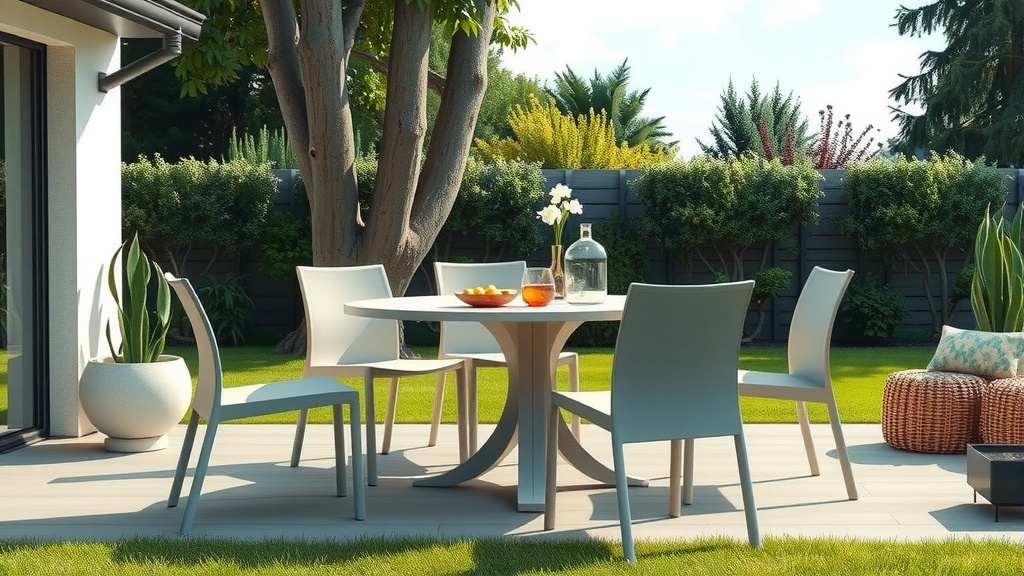
The most weather-resistant patio furniture is typically made from powder-coated aluminum, marine-grade polymer, or high-density polyethylene (HDPE) resin wicker. These materials are known for their exceptional durability against rust, UV rays, and moisture.
You’ll also find that certain hardwoods, like teak, offer natural weather resistance due to their dense structure and high oil content, making them a top choice for outdoor longevity.
Here’s a quick overview of what to look for when choosing weather-resistant patio furniture:
- Aluminum: Lightweight and rust-proof.
- HDPE Wicker: UV-resistant and doesn’t fade.
- Teak Wood: Naturally water-repellent and durable.
- Marine-Grade Polymer: Resists saltwater and extreme conditions.
- Minimal maintenance: Look for items that require less care.
What Type Of Patio Furniture Is The Most Weather Resistant?
When searching for patio furniture that truly lasts, you want materials that can stand up to Mother Nature. The best options resist rust, fading, cracking, and general wear from sun and rain.
Aluminum Furniture: A Lightweight Champion
Powder-coated aluminum is a fantastic choice for weather resistance. It’s naturally rust-proof, which is a huge plus, especially in humid or rainy climates. Think of it as your patio’s trusty, low-maintenance friend.
We found that aluminum frames are also very light. This means you can easily move your furniture around as needed (many experts say lighter furniture is less likely to damage decking during heavy storms).
The Benefits of Powder Coating
A good powder coat adds an extra layer of protection. This finish helps aluminum resist scratches and chips, keeping it looking great for longer. It’s like giving your furniture a tough, stylish skin.
HDPE Resin Wicker: Synthetic Strength
High-Density Polyethylene (HDPE) resin wicker isn’t your grandmother’s brittle plastic. This material is engineered for the outdoors. It mimics natural wicker but without the weaknesses.
Research shows HDPE is incredibly resistant to UV radiation, so it won’t fade or become brittle in the sun. It also shrugs off moisture, preventing mold and mildew growth (NIH).
Teak Wood: Nature’s Own Defender
If you love the look of natural wood, teak is often considered the gold standard for outdoor furniture. It’s dense and has natural oils that repel water. This keeps it from rotting or warping.
Many experts agree that teak can stay outside year-round, even in harsh conditions, and age gracefully. It develops a beautiful silvery-gray patina over time, which many find charming.
Marine-Grade Polymer: Ultimate Durability
For seaside homes or areas with extreme weather, marine-grade polymer is an excellent contender. This plastic material is often used for boat parts because it can handle salt water, intense sun, and temperature swings. It doesn’t absorb water or bleach.
It’s virtually maintenance-free and often made from recycled plastics, giving it an eco-friendly edge. You’ll often see this material in brighter, solid colors.
Considerations for Other Materials
While the above are top performers, other materials can also offer good resistance with proper care. You have options if your budget or style preferences lean elsewhere.
Wrought Iron and Steel: Classic Looks, More Care
Wrought iron and steel are strong and heavy, so they won’t blow away easily. However, they are prone to rust if their protective finish chips or wears away. Regular inspections and touch-ups are key (Mayo Clinic). Think of it like taking care of a classic car; a little upkeep goes a long way.
Acacia and Eucalyptus: Affordable Wood Options
These woods are more budget-friendly than teak. They offer good outdoor performance but need more regular maintenance, such as oiling, to maintain their look and weather resistance. They are good choices if you don’t mind a bit more work.
Recycled Plastic Furniture: Eco-Friendly & Tough
Like marine-grade polymer, recycled plastic furniture (often made from milk jugs) is incredibly durable. It won’t splinter, rot, or fade. It’s a fantastic, low-maintenance option that helps the planet too.
The Role of Cushions and Fabrics
Even the most weather-resistant frame needs the right cushions. Look for fabrics designed for outdoor use. Sunbrella is a popular brand, known for its fade and mildew resistance. These fabrics use special dyes and weaves.
Many outdoor cushions are also filled with quick-drying foam. This helps prevent water from pooling and keeps mold from growing. Always check the labels for “outdoor-grade” materials.
Key Factors Affecting Weather Resistance
When you’re making your choice, think about what your patio faces most. Is it strong sun, frequent rain, or high winds? Each factor plays a role in how well your furniture will hold up.
- UV Exposure: Strong sun can fade colors and break down plastics.
- Moisture: Rain and humidity lead to rust, rot, or mildew.
- Wind: Lightweight furniture might move or tip in gusts.
- Temperature Changes: Extreme heat or cold can cause materials to expand and contract, leading to cracks over time.
Comparing Top Weather-Resistant Materials
Here’s a quick glance at how the top contenders stack up:
| Material | Primary Benefit | Maintenance Level | Cost (Avg.) |
|---|---|---|---|
| Powder-Coated Aluminum | Rust-proof, Lightweight | Low | Medium |
| HDPE Resin Wicker | UV & Moisture Resistant | Very Low | Medium-High |
| Teak Wood | Natural Resistance, Elegant Aging | Medium (oiling optional) | High |
| Marine-Grade Polymer | Extreme Weather Durability | Very Low | High |
A Quick Checklist for Choosing Your Furniture
To make the best decision, consider these points:
- Your Climate: Is it sunny, rainy, windy, or all three?
- Storage Options: Will you cover or store furniture in winter?
- Maintenance Tolerance: How much effort are you willing to put in?
- Style Preference: Does the material fit your home’s look?
- Budget: What are you comfortable spending?
- Weight: Do you need to move it easily or prefer heavy pieces?
Conclusion
Picking the most weather-resistant patio furniture means you’re investing in comfort and durability for years to come. While aluminum, HDPE resin wicker, teak, and marine-grade polymer often come out on top, your perfect choice will depend on your local weather, personal style, and maintenance willingness.
Do a little research, weigh your options, and you’ll find furniture that lets you relax outdoors without constant worry. Happy patio planning!
What is the best material for outdoor cushions to withstand weather?
The best material for outdoor cushions to withstand weather is usually solution-dyed acrylic, like Sunbrella. These fabrics are highly resistant to fading from UV rays, repel water, and resist mildew growth. Always look for quick-drying foam inserts too.
Can I leave my weather-resistant patio furniture outside all year?
Most weather-resistant patio furniture, especially high-quality aluminum, HDPE wicker, and teak, can generally be left outside year-round. However, covering it during extreme weather or winter months can significantly extend its lifespan and keep it looking new.
Is rust a problem for all metal patio furniture?
Rust is primarily a problem for iron and steel patio furniture, especially if their protective finishes are scratched or chipped. Aluminum, being rust-proof, does not rust. Look for powder-coated finishes on steel or iron to slow down potential rust development.
How do I protect my patio furniture from strong winds?
To protect patio furniture from strong winds, consider heavier materials like wrought iron or steel. For lighter pieces like aluminum or resin wicker, use furniture covers with tie-downs, or secure them with bungee cords. Storing cushions and lighter items when winds are forecast is also a smart move.
What kind of cleaning does weather-resistant furniture need?
Even weather-resistant furniture needs occasional cleaning. Most types, including aluminum, HDPE wicker, and marine-grade polymer, simply require washing with mild soap and water. Teak may need periodic scrubbing to remove grime, or oiling if you want to maintain its original brown color.
