
How To Clean Oxidized Cast Aluminum Patio Furniture?
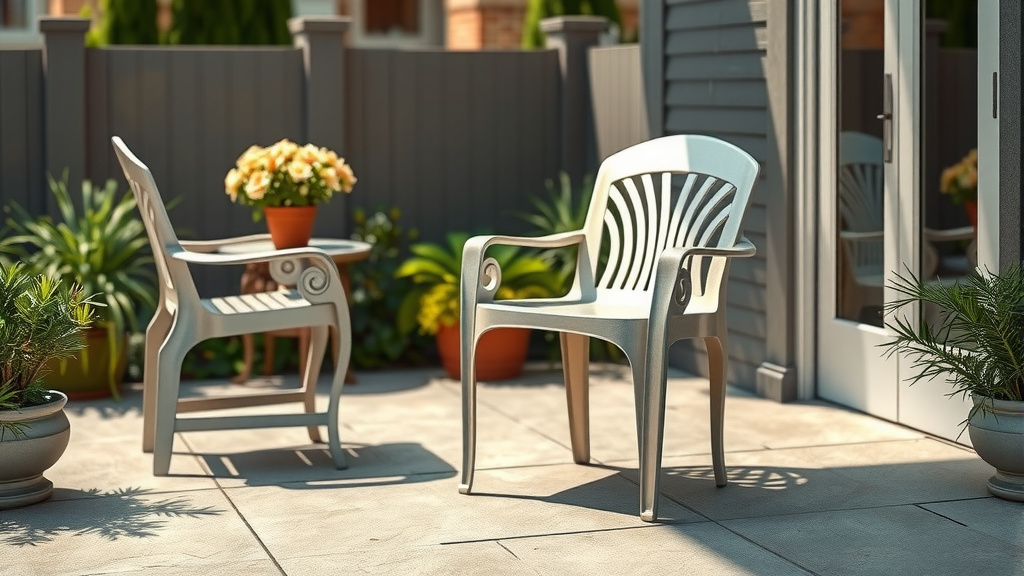
To effectively clean oxidized cast aluminum patio furniture, you will need a soft brush, mild dish soap, water, and optionally, white vinegar or a specialized aluminum cleaner.
Gently scrub the affected areas, rinse thoroughly, and then dry completely to prevent water spots and prepare for protection.
- Oxidation on cast aluminum furniture looks like a chalky white film.
- You can clean it with common household items like vinegar or baking soda.
- Always test cleaners in a hidden spot first to avoid damage.
- Rinse your furniture well after cleaning and dry it completely.
- Applying a wax or sealant helps protect your furniture from future oxidation.
How To Clean Oxidized Cast Aluminum Patio Furniture?
Cleaning oxidized cast aluminum patio furniture involves a gentle but effective process. You’ll typically use a mild cleaning solution, a soft brush, and plenty of water to restore its original look.
What is Oxidation on Aluminum?
Oxidation on aluminum is a natural process where aluminum reacts with oxygen in the air. This reaction creates a protective, yet sometimes unsightly, layer of aluminum oxide.
It often appears as a dull, chalky white film on the surface of your beautiful patio pieces. This isn’t rust, as aluminum does not rust like iron.
Why Does Aluminum Patio Furniture Oxidize?
Your outdoor furniture faces constant exposure to elements like rain, sun, and varying humidity. These conditions accelerate the oxidation process, especially if the original protective coating wears off.
It’s just aluminum doing what aluminum does, protecting itself from further corrosion (U.S. General Services Administration).
Is Oxidation Harmful to Your Furniture?
Generally, aluminum oxidation isn’t harmful to the structural integrity of your furniture. In fact, the oxide layer actually helps protect the metal beneath it from deeper corrosion.
However, it certainly detracts from the aesthetic appeal of your patio setup. Nobody wants dull, chalky-looking furniture, right?
Getting Ready: Your Cleaning Arsenal
Before you begin, gather everything you’ll need. Think of it like preparing for a fun, productive DIY project.
Having your tools ready saves time and makes the whole cleaning experience much smoother for you.
Essential Cleaning Supplies Checklist
- Bucket of warm water
- Mild dish soap (like Dawn)
- Soft-bristle brush or sponge
- Clean cloths or towels
- Garden hose with a spray nozzle
- White vinegar (optional, for tougher spots)
- Baking soda (optional, for light stains)
- Protective gloves
- Eye protection
Prepping Your Furniture for a Deep Clean
Before any serious scrubbing, it’s wise to prepare your furniture. Clear off any cushions, decorative items, or loose debris.
Give each piece a quick rinse with your garden hose. This helps remove surface dirt and makes the actual cleaning much easier for you.
The Step-by-Step Oxidation Cleaning Guide
Now, let’s get into the actual work! This guide will walk you through cleaning your oxidized cast aluminum, step by simple step.
First, a Gentle Rinse
Start by rinsing your furniture with a garden hose. This initial spray removes any loose dirt, pollen, or spiderwebs.
A good rinse prevents you from simply rubbing dirt into the oxidation, which isn’t very helpful.
Scrubbing Away the Surface Grime
Mix a few drops of mild dish soap into a bucket of warm water. Dip your soft-bristle brush or sponge into the soapy water.
Gently scrub the oxidized areas, working in small sections. Apply steady, light pressure to avoid scratching the aluminum surface.
Specific Solutions for Stubborn Oxidation
Sometimes, soap and water aren’t quite enough for those persistent white spots. We found that certain household items can be surprisingly effective.
It’s always a good idea to test any new cleaner on an inconspicuous spot first. This ensures it won’t damage your furniture’s finish.
| Oxidation Severity | Recommended Solution | Application Method |
|---|---|---|
| Light/Mild | White vinegar (diluted 1:1 with water) | Spray on, let sit for 5-10 min, scrub gently, rinse. |
| Moderate | Baking soda paste (baking soda + water) | Apply paste, let sit for 10-15 min, scrub, rinse. |
| Heavy/Stubborn | Specialized aluminum cleaner | Follow product instructions carefully, use gloves. |
The Everyday Hero: White Vinegar
White vinegar is a fantastic, natural acid that can break down aluminum oxidation. Mix equal parts white vinegar and water in a spray bottle.
Spray the solution onto the oxidized areas, let it sit for about 5 to 10 minutes, then scrub gently. You’ll often see the chalky film start to disappear.
Baking Soda Paste for Light Stains
For lighter oxidation or minor stains, a baking soda paste works wonders. Mix baking soda with a little water until you get a thick paste.
Apply this paste to the affected areas, let it sit for about 10-15 minutes, then scrub gently with a soft cloth. It’s abrasive enough to clean but gentle enough not to scratch.
When to Use Commercial Aluminum Cleaners
If you’re dealing with very heavy or widespread oxidation, a specialized aluminum cleaner might be your best bet. Many experts say these products are formulated to safely remove tough buildup.
Always read the product instructions carefully and wear appropriate safety gear, such as gloves and eye protection. Chemical cleaners can be quite powerful.
The Final Rinse and Dry
After scrubbing, rinse your furniture thoroughly with clean water from your garden hose. Make sure to wash away all cleaning solution residues.
Then, dry your furniture completely with clean cloths or let it air dry in the sun. This step is important to prevent water spots and further oxidation.
Keeping Your Cast Aluminum Shiny Longer
Cleaning is only half the battle! Protecting your newly cleaned furniture helps it stay beautiful for many seasons to come. Think preventative care!
Applying a Protective Wax or Sealant
Once your furniture is perfectly clean and dry, consider applying a coat of automotive wax or a specialized outdoor furniture sealant. This creates a barrier against the elements.
We found that a good wax can significantly slow down future oxidation, keeping your furniture looking great longer.
Simple Routine Maintenance Tips
A little regular care goes a long way. Give your patio furniture a quick wipe-down with a damp cloth every week or so.
This simple habit helps prevent dirt and grime from building up and reduces the chances of oxidation starting again.
Winter Storage Best Practices
When the colder months arrive, try to store your cast aluminum furniture indoors, if possible. A garage or shed works perfectly.
If indoor storage isn’t an option, use high-quality, breathable furniture covers. This protects against harsh weather and minimizes oxidation during the off-season.
Don’t Make These Cleaning Mistakes!
We’ve seen people accidentally damage their furniture with good intentions. Avoid abrasive pads like steel wool, as these can scratch the aluminum surface.
Also, stay away from harsh chemical cleaners not specifically designed for aluminum. These might strip the finish or cause discoloration.
Conclusion
Cleaning oxidized cast aluminum patio furniture might seem like a daunting task, but it’s quite manageable with the right approach. By following these practical steps, you can restore your furniture’s luster and extend its life.
Remember, a little consistent care, whether it’s regular cleaning or applying a protective sealant, ensures your outdoor space remains inviting and beautiful for years to come. Enjoy your refreshed patio!
How often should I clean my cast aluminum patio furniture?
For optimal appearance and longevity, aim to clean your cast aluminum patio furniture thoroughly at least once or twice a year, typically at the beginning and end of the outdoor season. Regular light cleaning, like wiping down with a damp cloth, can be done weekly.
Can I use a pressure washer on oxidized aluminum furniture?
While a pressure washer might seem quick, it’s generally not recommended for oxidized cast aluminum furniture. High pressure can potentially strip off protective finishes, etch the aluminum surface, or even damage delicate welds, leading to more problems than it solves.
What’s the best way to prevent aluminum oxidation in the first place?
The best prevention strategies include regularly cleaning your furniture, applying a protective wax or sealant annually, and using outdoor furniture covers during periods of non-use or harsh weather. Storing furniture indoors during winter also significantly helps.
Is it safe to mix different cleaning solutions for tough oxidation?
No, it’s generally not safe or recommended to mix different cleaning solutions, especially chemical ones. Mixing household cleaners can create dangerous fumes or ineffective solutions. Stick to one cleaner at a time and follow its specific instructions.
Can I paint my cast aluminum furniture after cleaning the oxidation?
Yes, you can absolutely paint your cast aluminum furniture after cleaning it. Ensure the furniture is completely free of oxidation, thoroughly dry, and lightly scuffed with fine-grit sandpaper for paint adhesion. Use a primer and paint specifically designed for outdoor metal surfaces.
