
Does Steel Patio Furniture Rust?
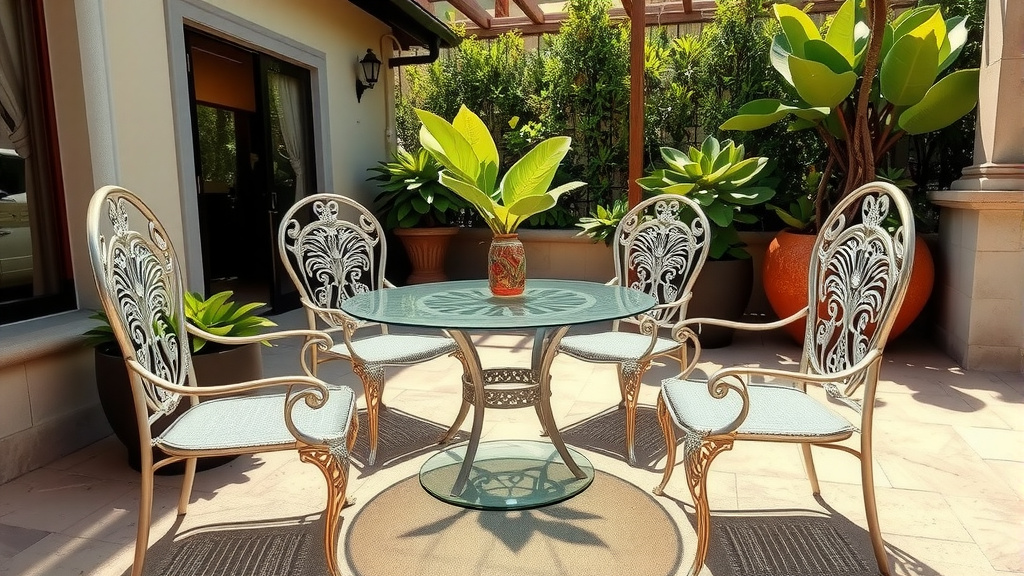
Yes, steel patio furniture can rust, especially if it’s made from carbon steel and not properly protected. Rust is a natural oxidation process that happens when iron in steel reacts with oxygen and moisture.
While some types of steel are more rust-resistant than others, nearly all steel can eventually corrode without the right care and protective coatings.
- Steel patio furniture often uses carbon steel, which is prone to rust when exposed to moisture and oxygen.
- Rust-resistant options include stainless steel, which contains chromium, and galvanized steel, coated with zinc.
- Manufacturers protect steel with powder coatings, e-coatings, or galvanization to slow down the rust process.
- Regular cleaning, drying, and seasonal storage are key steps to prevent rust and extend your furniture’s life.
- Treat minor rust spots quickly with wire brushes and rust-inhibiting primers to stop it from spreading.
Does Steel Patio Furniture Rust?
Yes, steel patio furniture can absolutely rust if it is not made from the right type of steel or properly protected. Rust happens when the iron in steel interacts with oxygen and water.
This chemical reaction forms iron oxide, which we commonly know as rust, and it can weaken your furniture over time.
Understanding Rust: Why It Happens to Steel
Think of rust like a slow-motion unraveling for your steel furniture. It’s a natural process where metals containing iron, like most steel, begin to break down.
When moisture and oxygen get together on an exposed steel surface, they create the perfect conditions for this breakdown to start (National Institute of Standards and Technology).
It’s similar to how an apple browns when cut and left out; it’s an oxidation process. For steel, this means a reddish-brown, flaky layer appears, changing the metal’s strength and look.
Types of Steel and Their Rust Resistance
Not all steel is created equal when it comes to rust. The type of steel used plays a huge part in its ability to resist corrosion.
Understanding these differences can help you make smarter choices for your patio.
Carbon Steel: The Rust-Prone Type
Most common steel patio furniture is made from carbon steel. This steel is quite strong and affordable, making it popular for many uses.
However, we found that carbon steel has a high iron content and lacks protective elements, making it very susceptible to rust when left untreated.
Stainless Steel: The Rust-Resistant Champion
Stainless steel is a game-changer because it contains chromium, usually at least 10.5%. This chromium forms a thin, invisible layer on the steel’s surface.
This passive layer acts as a barrier, effectively preventing rust from forming even when exposed to air and water (American Iron and Steel Institute).
Galvanized Steel: The Zinc Protection
Galvanized steel is essentially carbon steel that has been coated with a layer of zinc. This zinc layer provides a sacrificial barrier.
If the surface gets scratched, the zinc will rust before the underlying steel, offering excellent protection against corrosion.
| Steel Type | Rust Resistance | Common Use in Patio Furniture | Durability |
|---|---|---|---|
| Carbon Steel | Low (High Rust Risk) | Affordable, often painted | Good (if protected) |
| Stainless Steel | High (Very Low Rust Risk) | Premium, modern designs | Excellent |
| Galvanized Steel | Medium (Lower Rust Risk) | Durable, industrial look | Good (zinc barrier) |
How Manufacturers Protect Steel Patio Furniture
Even though steel can rust, manufacturers aren’t just leaving it to chance. They use several clever methods to shield your furniture.
These coatings are often the first line of defense against rust, making your furniture last longer.
Powder Coating: Common Method
Powder coating involves applying a dry powder to the steel, which is then baked to form a tough, protective layer. This creates a hard finish that is resistant to scratches and moisture.
Many experts say powder coating is a very durable and environmentally friendly finish for outdoor furniture.
E-coating: Another Protective Layer
E-coating, or electrocoating, applies a paint finish using an electric current, ensuring an even and consistent coat over the entire metal surface. This process reaches every nook and cranny.
We found that e-coating provides superior corrosion resistance, especially in complex shapes, and often serves as a primer beneath powder coats.
Galvanization: Reiterating Its Role
As we mentioned, galvanization coats steel with zinc. This is a very common method for preventing rust on outdoor structures, including some patio furniture components.
It creates a robust barrier that actively fights against rust formation, sacrificing itself instead of the steel.
Identifying Rust on Your Patio Pieces
Knowing what to look for can help you catch rust early, before it causes major damage. Early detection is your best friend when it comes to maintaining your furniture.
Are you seeing tiny orange-brown spots or flaking paint? These are often the first clues.
Look closely at joints, welds, and areas where paint might be chipped. These spots are often where rust begins its sneaky journey because they are more exposed to the elements.
The Impact of Environment on Rusting
Your local climate plays a huge role in how quickly steel patio furniture might rust. Some environments are much tougher on metal than others.
Understanding your environment helps you plan better protection for your outdoor pieces.
Coastal Areas: Salt’s Role
If you live near the ocean, you know that salty air is everywhere. Salt is a significant accelerator of rust.
The salt in the air and sea spray acts as an electrolyte, speeding up the chemical reaction that causes rust (Corrosion Science Journal research).
Humid Climates: Moisture is Key
Areas with high humidity constantly expose your furniture to moisture, even when it’s not raining. This constant dampness provides an ongoing ingredient for rust.
Even a little moisture, paired with oxygen, can encourage rust over time.
Rain and Snow: Direct Exposure
Direct exposure to rain and snow is perhaps the most obvious culprit. Water pooling on surfaces or seeping into joints offers rust a direct invitation.
Proper drainage and covering your furniture can make a big difference.
Preventing Rust: Your Best Defense
Prevention is always easier than repair. A little proactive care can save you a lot of headache and expense down the road.
Here are some straightforward ways to keep your steel patio furniture looking its best.
- Clean Regularly: Wash your furniture with mild soap and water to remove dirt, pollen, and salt.
- Dry Thoroughly: After cleaning or rain, wipe down furniture completely to remove standing water.
- Touch Up Scratches: Use a rust-inhibiting primer and matching paint on any chips or scratches immediately.
- Use Furniture Covers: Invest in breathable, waterproof covers for protection during off-seasons or bad weather.
- Store Indoors: If possible, store furniture in a garage or shed during winter months.
- Apply Wax or Sealant: A car wax or metal sealant can add an extra layer of protection.
Treating Minor Rust Spots
So, you’ve found a tiny spot of rust? Don’t panic! Catching it early can stop it from spreading and save your furniture.
It’s like finding a small crack in a wall; addressing it quickly prevents a bigger problem.
Start by gently sanding the rust away with fine-grit sandpaper or a wire brush. Clean the area, then apply a rust-inhibiting primer followed by an exterior-grade paint that matches your furniture (Home Depot guidelines).
When to Replace Rusty Furniture
Sometimes, despite your best efforts, rust can become too widespread or severe. This isn’t just about looks; it can become a safety concern.
If the rust is causing structural weakness, like wobbly legs or unstable joints, it’s time to consider replacing the piece.
Heavy rust can compromise the integrity of the metal, making the furniture unsafe to use. It’s better to invest in new, safe furniture than risk injury.
Yearly Rust Check-Up
- Inspect all joints and welds closely.
- Check for bubbling or flaking paint.
- Look for any signs of surface discoloration.
- Test the stability of legs and connections.
- Clean and reapply protective coatings as needed.
Conclusion
Yes, steel patio furniture can rust, but this doesn’t mean you should avoid it. By choosing wisely and caring for your pieces, you can enjoy them for many years.
Understanding the types of steel and implementing simple maintenance practices are your keys to rust prevention. A little effort goes a long way in keeping your outdoor oasis beautiful and functional.
Does stainless steel patio furniture rust?
While highly rust-resistant, stainless steel can still develop minor surface rust, called “tea staining,” in harsh environments or if not properly maintained. It is very unlikely to rust through.
Is wrought iron patio furniture prone to rust?
Yes, wrought iron is an iron alloy and is very susceptible to rust. It requires regular painting and sealing to protect it from moisture and oxygen.
How often should I clean my steel patio furniture to prevent rust?
Cleaning your steel patio furniture every few weeks, or at least once a month, is a good habit. More frequent cleaning is helpful if you live in a coastal or humid area.
Can rust spread from one piece of furniture to another?
Rust itself doesn’t “spread” like a disease, but if rusty particles come into contact with unprotected steel, they can introduce iron oxides that may accelerate rust formation on the new surface. It’s best to isolate rusty items during cleaning.
Is it worth trying to repair severely rusted steel patio furniture?
For minor surface rust, repair is often effective. However, if the rust has deeply pitted the metal or compromised the structural integrity, it’s often more cost-effective and safer to replace the furniture rather than attempt extensive repairs.
