
Can Aluminum Patio Furniture Be Painted?
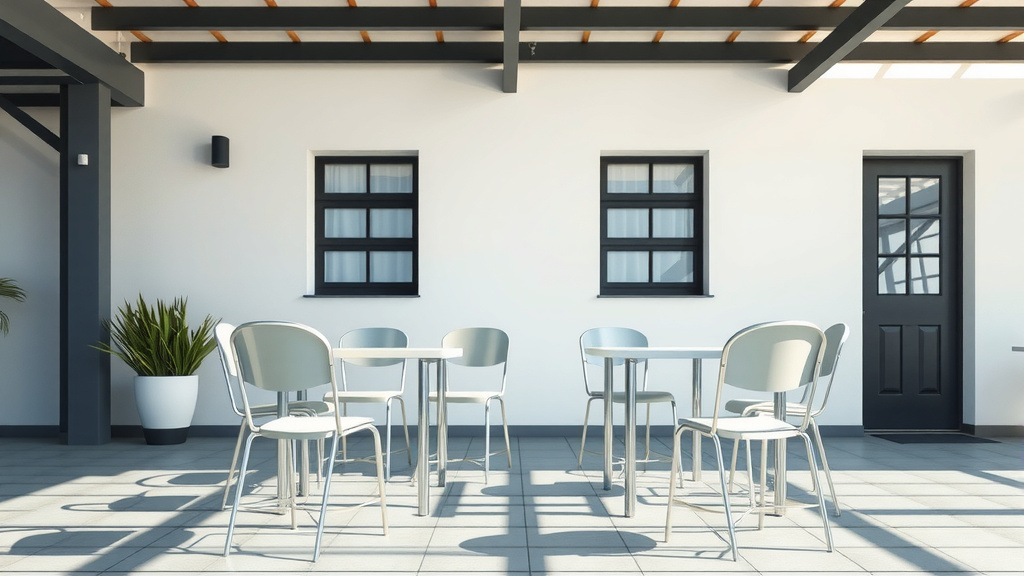
Yes, you absolutely can paint aluminum patio furniture to give it a fresh new look and extend its outdoor life. This process is a fantastic way to refresh its appearance and add a protective layer against the elements.
With the right preparation and materials, painting your aluminum furniture can transform your patio space and make your pieces feel brand new.
TL;DR:
- Painting aluminum patio furniture is definitely possible and recommended for a refresh.
- Proper surface preparation is the most critical step for a long-lasting finish.
- Always choose paints specifically designed for outdoor metal, like direct-to-metal or epoxy.
- This DIY project not only updates aesthetics but also adds a layer of protection.
- Patience with drying times and careful application yield the best, most durable results.
Can Aluminum Patio Furniture Be Painted?
Yes, painting aluminum patio furniture is a fantastic way to revitalize it. With the right steps and products, you can transform your outdoor space.
Why Bother Painting Your Aluminum Furniture?
You might be looking at your faded patio set, wondering if it’s time for an upgrade. Painting is often a far better option than buying new. It saves money, reduces waste, and lets you personalize your space.
Beyond looks, a fresh coat of paint adds a protective barrier. This shield helps your furniture stand strong against sun, rain, and daily wear. Think of it as sunscreen for your patio chairs!
Is It a Difficult DIY Project?
Is painting aluminum furniture a walk in the park? Not exactly a stroll, but it’s certainly not scaling Mount Everest either. It’s a manageable project that many homeowners successfully complete. What you need most is patience and a willingness to follow the steps carefully.
The secret sauce is in the preparation, not just the painting itself. Get the prep right, and the rest flows smoothly. You’ll feel a real sense of accomplishment when you see the finished result.
Essential Tools and Materials You’ll Need
Before you dive in, gathering your supplies makes the job much easier. Imagine trying to bake a cake without all the ingredients! Here’s a quick list to get you started:
- Mild detergent or degreaser
- Stiff brush or scrubber
- Fine-grit sandpaper (220-grit)
- Tack cloth or microfiber towels
- Automotive etching primer (essential for aluminum)
- Outdoor metal paint (spray or brush-on)
- Clear topcoat (optional, but recommended for durability)
- Painter’s tape and drop cloths
- Personal protective equipment (gloves, mask, safety glasses)
The Painting Process: A Step-by-Step Guide
Ready to transform your patio? Let’s walk through the steps together. Think of it like a recipe – follow each instruction for the best outcome.
Cleaning is Absolutely Crucial
First things first: clean that furniture! Dust, dirt, pollen, and old grease are enemies of a good paint job. They prevent paint from sticking properly, leading to peeling down the road.
Use a mild detergent or a dedicated degreaser and a stiff brush. Scrub every surface, paying extra attention to crevices. Rinse thoroughly with water and let it air dry completely. Many experts say that a clean surface is half the battle won (Paint Manufacturers’ Guidelines).
Prepping the Surface: Sanding and Repair
Now that it’s clean, it’s time to rough up the surface a little. Aluminum is very smooth, which means paint struggles to grip. Lightly sand all surfaces with fine-grit sandpaper.
This creates tiny scratches, giving the primer something to hold onto. If you have any small dents or scratches, you can fill them with a metal-specific epoxy filler now. Sand those smooth once they’re dry. Research often connects a properly abraded surface with strong adhesion (Surface Technology Journals).
Final Wash and Dry Before Priming
After sanding, tiny dust particles will be everywhere. Give the furniture another quick rinse to remove this dust. You can also wipe it down with a tack cloth for a super clean surface.
Ensure your furniture is bone dry before moving on. Any lingering moisture can cause bubbles or prevent proper paint adhesion. This step often feels repetitive, but it is important for a professional finish.
Priming for Success: Don’t Skip This!
Priming is not optional when painting aluminum. Aluminum can be tricky, and a special primer helps the paint stick. You need an “etching primer” or a “direct-to-metal” primer designed for non-ferrous metals.
Apply one to two thin, even coats of primer. Allow each coat to dry fully according to the product’s instructions. This primer layer is the foundation for your beautiful new color.
Choosing the Right Paint for Outdoor Aluminum
Selecting the correct paint is paramount. You can’t just use any old wall paint! You need paint formulated for outdoor use and metal surfaces. Here’s a quick guide:
| Paint Type | Pros | Cons |
|---|---|---|
| Acrylic Latex (Exterior) | Good flexibility, easy cleanup, decent durability. | May need more coats, less hard-wearing than others. |
| Oil-Based Enamel | Very durable, hard finish, excellent adhesion. | Longer drying times, requires mineral spirits for cleanup. |
| Epoxy Paint | Extremely tough, great resistance to chemicals and abrasion. | Can be harder to apply, less color variety. |
| Direct-to-Metal (DTM) | Primer and paint in one, good for outdoor metals. | Can be pricey, limited color selection sometimes. |
Application Techniques: Spray or Brush?
Now for the fun part! You can either spray paint or brush/roll your furniture. Spraying often gives a smoother, more even finish, especially on intricate designs.
If spraying, use thin, even passes. Avoid holding the can in one spot too long to prevent drips. If brushing, use a high-quality brush and apply thin coats. Multiple thin coats are always better than one thick one. Many home improvement resources generally advise thin coats for durability and appearance.
Curing and Sealing for Longevity
Your furniture isn’t ready for guests the moment the paint feels dry to the touch. Paint needs to “cure,” which means it hardens completely. This can take several days, sometimes even weeks, depending on the paint type and humidity.
Adding a clear protective topcoat (like a clear exterior polyurethane) can significantly boost durability. This final layer helps guard against scratches, UV fading, and moisture. Always allow proper curing time before using your furniture to ensure the finish lasts for seasons to come.
Common Painting Pitfalls to Dodge
Even with the best intentions, it’s easy to make mistakes. Here’s a checklist of things to avoid:
- Skipping thorough cleaning of the furniture surface.
- Forgetting to sand the smooth aluminum or using the wrong grit.
- Using an interior-only paint that won’t withstand outdoor conditions.
- Applying paint in thick, uneven coats, which leads to drips and peeling.
- Not allowing proper drying and curing time between coats and before use.
- Painting in direct sunlight or very humid conditions, affecting adhesion.
How Long Will Your Painted Furniture Last?
The lifespan of your painted aluminum furniture depends on a few factors. Proper preparation is number one. The quality of primer and paint you use also plays a big role. Harsh weather conditions, like intense sun or heavy rain, can also affect its longevity.
Generally, with good prep and quality materials, you can expect your painted aluminum furniture to look great for 3 to 5 years, or even longer. It’s like a good coat of nail polish; the better the base coat and topcoat, the longer it shines!
Maintenance Tips for Painted Aluminum
Keeping your newly painted furniture looking its best isn’t hard. Regular, gentle cleaning with mild soap and water is usually enough. Avoid abrasive cleaners or harsh chemicals, which can damage the paint finish.
During the off-season, consider covering your furniture or storing it indoors. This protects it from extreme temperatures and moisture, helping the paint last longer. Small touch-ups can address minor chips or scratches over time, keeping your pieces looking sharp.
When is it Time to Call a Professional?
While painting aluminum furniture is a rewarding DIY project, there are times when hiring a professional makes sense. If you have extremely intricate pieces with lots of detail, a pro might achieve a smoother finish. Large quantities of furniture can also become overwhelming.
Professionals often have access to industrial-grade equipment and specialized paints that offer superior durability. If you’re aiming for absolute perfection or simply don’t have the time, it’s a good investment to let the experts handle it.
Conclusion
Painting your aluminum patio furniture is a truly worthwhile project that breathes new life into old pieces. It’s a chance to express your style, save money, and extend the lifespan of your outdoor investment.
Remember, the magic lies in the prep work, choosing the right products, and having a bit of patience. So go ahead, pick a color, roll up your sleeves, and get ready to enjoy your beautifully transformed patio space. You’ve got this!
How much paint will I need for my furniture?
The amount of paint you’ll need depends on the size and number of your furniture pieces, as well as the coverage rate of your chosen paint. A good rule of thumb is to measure the total surface area and then check the paint can’s coverage estimate. It’s always a good idea to buy a little more than you think you’ll need, just in case you need touch-ups or an extra coat.
Can I paint aluminum furniture that has corrosion or white oxidation?
Yes, but you must thoroughly address the corrosion or white oxidation first. Aluminum doesn’t rust like steel, but it can corrode, appearing as a white, chalky powder. You’ll need to scrub these areas clean with a wire brush or sandpaper until you reach clean metal. Then, ensure the area is rinsed and dried before applying an appropriate etching primer.
What’s the best weather for painting outdoors?
Ideal conditions for outdoor painting are generally mild temperatures, typically between 60-85°F (15-30°C), with low humidity and no direct sunlight. Avoid painting on windy days, as wind can blow dust onto your wet paint and affect drying. Always check your paint’s specific temperature and humidity recommendations before starting.
How do I clean my painted aluminum furniture?
For routine cleaning of painted aluminum furniture, simply use a soft cloth or sponge with warm water and a small amount of mild dish soap. Wipe down the surfaces gently, then rinse with clean water to remove any soap residue. Avoid abrasive cleaners, scrub pads, or harsh chemicals, as these can dull or scratch your paint finish.
Can I change the color later if I don’t like it?
Absolutely! One of the great benefits of painting your aluminum furniture is the flexibility to change its look. If you decide you want a different color down the road, you can simply repeat the process. You’ll need to clean, lightly sand the existing paint to create a good “tooth” for the new paint, prime if necessary, and then apply your new color.
