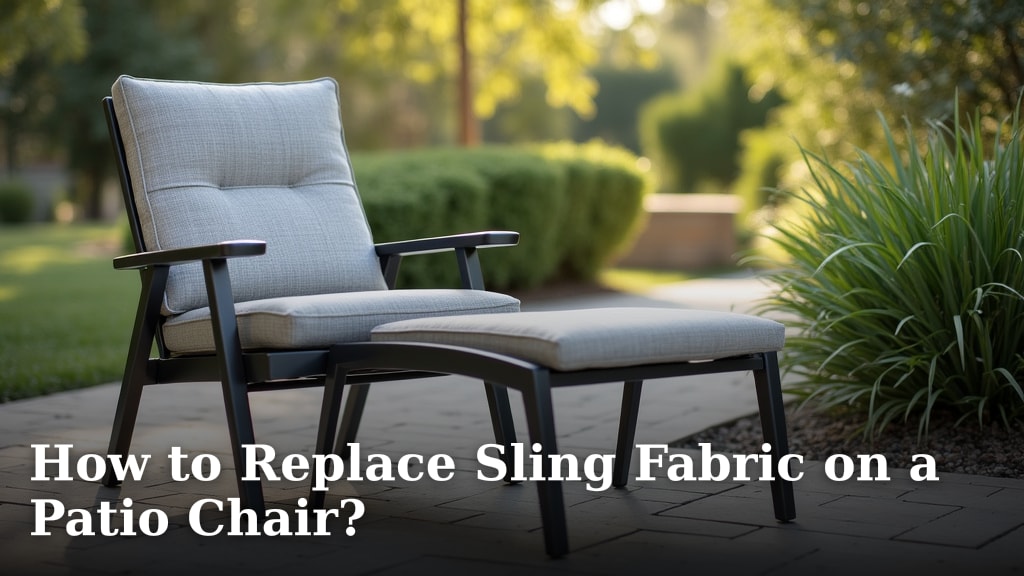
How To Repair Patio Furniture Straps?
To repair patio furniture straps, you generally need to remove the old, broken straps, clean the frame, measure and cut new strapping material, and then weave and secure the fresh straps to the furniture frame.
Properly repairing patio furniture straps can extend the life of your outdoor pieces, saving you money and keeping your outdoor space looking welcoming.
- Repairing patio furniture straps refreshes your outdoor living space without buying new.
- You will need basic tools like scissors, a tape measure, and a heat gun for the job.
- Choosing the right strap material and understanding weaving patterns are key steps.
- Regular cleaning and proper storage can significantly extend the life of your repaired straps.
How To Repair Patio Furniture Straps?
Repairing patio furniture straps means replacing worn-out or broken straps with new ones. This process involves careful measuring, cutting, and securing the new materials to restore your furniture’s look and function.
Why Do Patio Straps Break?
You might wonder why your patio furniture straps give out. It is often due to constant exposure to the elements. Sunlight, rain, and fluctuating temperatures all play a part in their deterioration.
UV radiation from the sun is a primary culprit, breaking down the material over time. This makes the straps brittle and prone to cracking (National Weather Service research shows UV degradation is common).
Also, the simple act of sitting on the furniture causes wear and tear. Constant stretching and relaxing weakens the straps until they eventually snap. It is a natural process for outdoor materials.
Understanding Strap Materials
Before you start a repair, it helps to know what your straps are made of. Most patio furniture uses vinyl or PVC straps. These materials are popular for their durability and weather resistance.
Vinyl straps offer good flexibility and can withstand outdoor conditions reasonably well. Some newer options also use woven polyester or other synthetic blends, which can be even more resilient.
We found that understanding the material helps you choose the right replacement. Matching the original type often gives the best long-term results.
Tools and Materials You Will Need
Getting your tools ready makes the repair job much smoother. You likely have many of these items around your house already. Think of it like preparing for a small DIY project.
Here is a quick checklist of what you might need to gather:
- Replacement Strapping Material: Match the width and color of your existing straps.
- Heavy-Duty Scissors or Utility Knife: For clean cuts on the strapping.
- Tape Measure: Accuracy is important for strap length.
- Heat Gun or Lighter: To seal the strap ends and prevent fraying.
- Screwdriver or Pliers: If your straps are secured with screws or clips.
- Drill (optional): For creating new rivet holes if needed.
- Mild Soap and Water: For cleaning the furniture frame.
Having everything ready prevents pauses and frustration. You can focus entirely on the repair task at hand.
Choosing Replacement Straps
Selecting the right replacement straps is a simple but important step. You want straps that both look good and stand up to outdoor life. Consider the material, width, and color carefully.
Many experts say to choose commercial-grade vinyl strapping for durability. It is designed to handle the sun and weather better than some generic options.
Always measure the width of your existing straps precisely. A difference of even a quarter-inch can affect the fit. Matching the color keeps your furniture looking unified and refreshed.
The Repair Process: Step-by-Step Guide
Let’s walk through the repair process together. It is not as daunting as it might seem. Think of it as giving your furniture a much-needed spa day.
Taking your time with each step ensures a lasting repair. You will feel a great sense of accomplishment when you are done.
Step 1: Removing Old Straps
First, you need to get rid of the old, damaged straps. This usually means carefully cutting them away with scissors or a utility knife. If they are held by clips, you might need pliers to gently unhook them.
Be careful not to scratch your furniture frame during this process. You are trying to remove the old, not damage the new.
Step 2: Cleaning the Frame
With the old straps gone, it is a perfect time to clean the furniture frame. Use a mild soap solution and a soft cloth to wipe down all surfaces. This removes dirt, grime, and any sticky residue left behind.
A clean frame provides a better surface for your new straps to adhere to. It also helps your refreshed furniture look its best.
Step 3: Measuring for New Straps
This is where accuracy counts. Measure the length of the space your new strap will cover. You want to stretch the strap slightly for a taut fit, so you will cut it a bit shorter than the measured space.
Many people find that cutting the strap 10-15% shorter than the distance between attachment points works well. This creates the necessary tension (DIY Network suggests this range).
Step 4: Cutting and Preparing New Straps
Once you have your measurements, cut your new strapping material. Use heavy-duty scissors or a utility knife for a clean, straight edge. Then, the important part: seal the ends.
Use a heat gun or even a lighter to gently melt the edges of the cut strap. This prevents fraying and keeps your straps looking neat. Just be quick and careful not to burn the material.
Step 5: Weaving and Securing Straps
Now for the fun part: attaching the new straps! Weaving patterns vary, but the basic principle is the same. You will typically start by securing one end of the strap to the frame, often with a clip or by wrapping it around and through a slot.
Then, stretch the strap across the frame and secure the other end. It is like pulling a rubber band taut. Sometimes, you might need a helper to hold one end while you stretch and attach the other. This ensures a firm, comfortable seating surface.
Common Weaving Patterns for Patio Straps
Patio furniture straps are not just functional; they create patterns that add to the aesthetic. Knowing a few common weaving styles can help you achieve the look you want.
We found that the most popular patterns are fairly simple, making them easy for DIY enthusiasts. Here are a few to consider:
| Pattern Name | Description | Why You Might Choose It |
|---|---|---|
| Vertical Weave | Straps run straight up and down. | Classic, simple, and clean look. Easy to repair one by one. |
| Horizontal Weave | Straps run straight across. | Similar to vertical, offers a uniform, uncluttered appearance. |
| Criss-Cross (Waffle) | Straps weave over and under in both directions. | Strong support, unique texture, and very comfortable. |
| Basket Weave | A tighter criss-cross, often with two straps side-by-side. | Highly durable, provides firm support, and looks very elegant. |
Each pattern offers a different level of support and style. Pick the one that best suits your furniture and personal taste. You are essentially designing a new look.
When to Call a Professional
While many strap repairs are DIY-friendly, some situations might warrant calling in the experts. It is okay to know your limits and seek help when needed. Sometimes, it saves you time and potential headaches.
If your furniture is a high-end or antique piece, a professional might be best. They have specialized tools and experience with delicate materials. Complex weaving patterns or frames that require special attachments also fall into this category.
Professionals can often source specific, hard-to-find materials too. Consider it an investment in preserving your valuable outdoor assets. There is no shame in seeking expert assistance.
Preventative Maintenance for Your Patio Straps
Once you have gone through the effort of repairing your straps, you want them to last! A little preventative care goes a long way. Think of it as protecting your hard work.
Here are some simple tips for keeping your patio straps in top condition:
- Clean Regularly: Wipe down straps with mild soap and water. This prevents dirt and mildew buildup, which can degrade materials.
- Use Furniture Covers: When not in use, cover your furniture. This protects straps from harsh UV rays and rain, which are their biggest enemies.
- Store During Off-Season: If possible, store patio furniture indoors during winter months. Extreme cold and snow are tough on strap materials.
- Avoid Harsh Chemicals: Do not use strong cleaners on your straps. They can dry out and weaken the material, leading to premature cracking.
Following these steps can significantly extend the life of your newly repaired straps. It means more seasons of comfortable outdoor enjoyment.
Conclusion
Repairing patio furniture straps is a rewarding project that breathes new life into your outdoor living space. By understanding the causes of damage, gathering the right tools, and following a few clear steps, you can restore your furniture to its former glory. Remember, a little preparation and careful execution make all the difference. Enjoy your refreshed patio setup!
How do I determine the correct length for replacement straps?
To determine the correct length, measure the distance between the two attachment points on your furniture frame. Then, subtract about 10-15% from that measurement to account for stretching and to ensure a taut, secure fit for the new strap. This small reduction provides the necessary tension.
Can I use any type of material for patio furniture straps?
While you technically “can” use various materials, it is highly recommended to use commercial-grade vinyl or PVC strapping specifically designed for outdoor furniture. These materials are formulated to withstand UV rays, moisture, and temperature changes much better than standard fabrics or plastics, ensuring durability.
Is it possible to change the color of my patio furniture straps?
Yes, absolutely! When repairing your patio furniture straps, you have the perfect opportunity to update the look by choosing a different color for your replacement straps. Just ensure the new strapping material is the correct width and suitable for outdoor use. It is a great way to refresh your patio’s aesthetic.
What if my patio furniture uses a unique strap attachment method?
Many patio furniture pieces use standard clips or wrap-around attachments. If yours has a truly unique or complex method, you might need to find specialized hardware or consult furniture repair guides specific to your brand. Sometimes, a professional repair service is the best option for unusual designs.
How often should I inspect my patio furniture straps for wear?
It is a good practice to inspect your patio furniture straps at least once a year, ideally at the beginning of the outdoor season. Look for signs of cracking, brittleness, fraying, or discoloration. Early detection of wear allows you to repair or replace straps before they completely break, preventing further damage.