How Do You Treat Teak Patio Furniture?

Treating teak patio furniture typically involves regular cleaning to remove dirt and mildew, and you can choose to let it weather naturally to a silver-gray patina or apply a teak sealer or oil to maintain its original warm, golden-brown color.
The best treatment path for your teak patio furniture depends on your aesthetic preference and how much ongoing maintenance you are willing to do, balancing the natural beauty with UV protection and color preservation.
- To treat teak patio furniture, start with a good cleaning.
- You can embrace the natural silver-gray look or prevent it.
- Applying a teak sealer offers UV protection and color retention.
- Teak oil enhances color but needs more frequent reapplication.
- Regular maintenance, including proper storage, keeps your furniture looking good.
How Do You Treat Teak Patio Furniture?
So, you are wondering how to best care for your beautiful teak patio furniture? The treatment process boils down to two main things: regular cleaning and then deciding if you want to keep its original color or let it age gracefully to a **soft silver-gray hue**.
Understanding Teak’s Natural Beauty
Teak is a truly remarkable wood. It contains natural oils that make it incredibly durable and resistant to many outdoor elements. This is why it is such a popular choice for patio furniture. Its natural qualities are a huge advantage.
Why Does Teak Change Color?
If left untreated, your teak patio furniture will gradually change color over time. This is a completely natural process called weathering. The sun’s UV rays cause the wood’s surface to oxidize, leading to that **distinctive silver-gray patina** that many people actually adore. It is a sign of authenticity.
What About Mold and Mildew?
Even though teak is resistant, it is not immune to everything. In humid or damp environments, you might find mold or mildew developing on the surface. These typically appear as **dark spots or a greenish film**. Do not worry, they are usually easy to treat and remove with proper cleaning.
Cleaning Your Teak Furniture
No matter which treatment path you choose, cleaning is always the first and most important step. Think of it as preparing a canvas before painting. A clean surface allows any future treatments to adhere properly and look their best. We found that regular cleaning keeps teak looking good.
Basic Cleaning Steps
For routine maintenance, a simple wash can do wonders. You will want to **gently clean the surfaces** to remove everyday dirt and dust. It helps prevent buildup that can become harder to remove later. Many experts suggest a quick clean every few months (Patio Furniture Specialists).
Gather Your Supplies
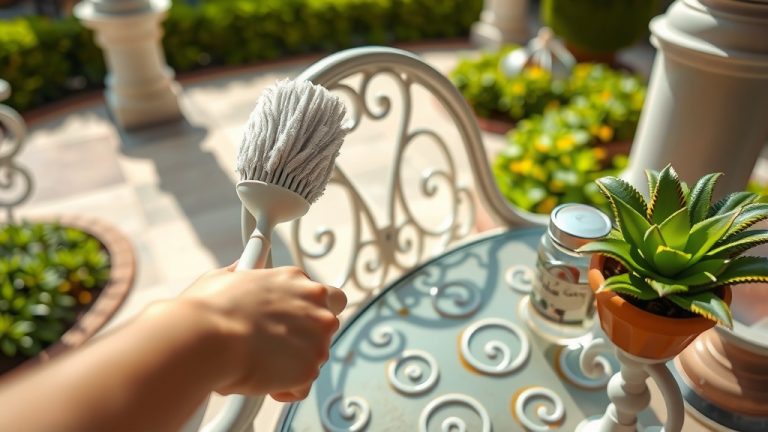
Before you begin, make sure you have everything ready. You will need a soft-bristle brush, a bucket, mild soap (dish soap works), and a hose. Avoid harsh scrub brushes as they can damage the wood’s surface. Think soft and gentle for your beautiful furniture.
The Washing Process
Start by rinsing your furniture with water from a hose. Then, mix a small amount of mild soap with water. Dip your soft brush into the soapy water and gently scrub the furniture, going with the grain of the wood. Rinse thoroughly to remove all soap residue. Let it dry completely.
Deep Cleaning for Stains
Sometimes, basic cleaning is not enough for tougher stains or widespread mildew. This is when you might need to use a specialized teak cleaner. These products are formulated to **safely remove stubborn grime** without harming the wood itself. Research shows specific cleaners work best.
Checklist for Deep Cleaning Teak:
- Gather specialized teak cleaner.
- Put on protective gloves and eyewear.
- Apply cleaner according to product directions.
- Scrub gently with a soft brush.
- Rinse very thoroughly with water.
- Allow furniture to dry fully before any further treatment.
Should You Oil or Seal Teak?
This is where the choice really comes in. Do you prefer the **rustic silver-gray charm** or the warm, honey-like original color? Your decision here will guide the next steps for treating your teak. There is no single “right” answer; it depends on your personal taste and lifestyle.
The “Silver-Gray” Look
If you love the silver-gray look, great news! You do not need to do much beyond regular cleaning. This natural aging process is beautiful and requires the least amount of effort. Your furniture will still be **durable and long-lasting** even with this color change. Many people prefer this. (Industry Guidelines).
Teak Sealers vs. Teak Oils
To preserve the golden-brown color, you have two main options: teak sealers or teak oils. They both help, but they work differently and have varied maintenance requirements. Understanding these differences helps you make an informed choice for your **teak’s appearance and protection**.
| Feature | Teak Sealer | Teak Oil |
|---|---|---|
| Primary Goal | Preserves original color, UV protection | Enhances natural color, prevents drying |
| Protection Level | Creates a barrier against elements | Penetrates wood, offers less surface protection |
| Maintenance Frequency | Typically annually or bi-annually | More frequent, often every 3-6 months |
| Appearance | Maintains golden-brown, matte finish | Deepens golden-brown, slightly richer look |
| Mildew Resistance | Good, often contains mildew inhibitors | Can promote mildew if not cleaned well |
Applying a Teak Sealer
If you choose to keep that gorgeous golden-brown color, a teak sealer is often the recommended option by many patio furniture specialists. Sealers are designed to **block UV rays and repel moisture**, preventing the graying process. They offer excellent long-term protection. We found sealers offer a durable shield.
Step-by-Step Sealer Application
Always start with perfectly clean and dry furniture. Any dirt or moisture will get sealed in, causing issues later. Apply the sealer in thin, even coats, following the manufacturer’s instructions carefully. **Less is often more** with sealers to avoid a patchy appearance. Allow adequate drying time between coats.
Sealer Benefits
Using a good quality teak sealer offers several benefits. It significantly slows down the graying process, keeping your furniture looking new for longer. It also provides a **protective barrier against spills and environmental damage**. This makes cleaning easier too. Think of it as sunscreen for your teak.
Using Teak Oil
Teak oil is another option for maintaining the rich, warm color of your teak. It penetrates the wood, nourishing it and bringing out its natural luster. However, it requires a bit more dedication than a sealer to keep up its appearance. Many experts say it needs frequent touch-ups.
How to Apply Teak Oil
Like with sealer, start with perfectly clean, dry teak. Apply the oil with a soft cloth, moving with the grain. Allow it to soak in for about 15-30 minutes, then wipe off any excess thoroughly. **Leaving excess oil can lead to stickiness** and attract dirt. You may need multiple coats for the best look.
Oil Benefits and Drawbacks
The main benefit of teak oil is how it beautifully enhances the wood’s natural grain and color, giving it a deeper, richer tone. The drawback is its maintenance. It offers less UV protection than a sealer and needs reapplication every 3-6 months, sometimes even more often in sunny climates. **It also does not prevent graying** as effectively as a sealer. It’s about maintaining moisture, not blocking UV.
Regular Maintenance for Lasting Beauty
No matter how you treat your teak, consistent care is key to its longevity and appearance. Just like a beautiful garden needs tending, your patio furniture will thrive with a bit of attention. This ensures your **investment lasts for many years**. We consistently find maintenance pays off.
Seasonal Cleaning Tips
Make seasonal cleaning a routine. A quick wash in spring to remove winter grime, and another in fall before storage, can make a huge difference. Check for any loose screws or minor damage during these cleanings too. **Small fixes can prevent bigger problems**. It is like a mini health check-up.
Winter Storage Advice
Protecting your teak during winter is vital, especially in areas with harsh weather. If possible, store your furniture indoors in a shed or garage. If not, use high-quality, breathable furniture covers. Avoid plastic tarps that can trap moisture and promote mildew growth. **Proper storage extends its life span**.
Conclusion
Treating your teak patio furniture truly comes down to your personal preference and willingness to maintain it. Whether you embrace the elegant silver-gray patina or preserve the warm golden-brown with a sealer or oil, regular cleaning forms the backbone of any care routine. By understanding teak’s unique qualities and applying the right care, you can ensure your furniture remains a beautiful, long-lasting centerpiece for your outdoor living space. Take good care of it, and it will take good care of your leisure time for years to come.
Can you paint or stain teak patio furniture?
Many experts advise against painting or staining teak furniture. Teak’s natural oils can prevent paint from adhering properly, causing it to peel. Stains also tend to sit on the surface rather than penetrating, often leading to an uneven look. If you desire a different color, you are usually better off selecting furniture made from a different type of wood.
How often should I clean my teak furniture?
For basic cleaning, aim for every 2-3 months during peak use seasons, or as needed if you notice dirt buildup or environmental debris. If you live in a particularly dusty or humid area, you might clean it more frequently. Annual deep cleaning is also a good idea to refresh its appearance.
Does teak oil prevent cracking?
Teak oil helps to nourish the wood and prevent it from drying out excessively, which can contribute to minor surface cracks or checking over time. However, it does not completely prevent all types of cracking, especially those caused by extreme temperature changes or improper construction. A sealer also helps stabilize the wood.
Is sanding necessary for old teak furniture?
Light sanding might be necessary for very old or severely weathered teak furniture that has rough patches, deep stains, or widespread mildew that cannot be cleaned off. Use a fine-grit sandpaper (around 220-grit) and sand lightly with the grain to restore a smoother surface before applying any treatment. Always test a small, inconspicuous area first.
Can I use a pressure washer on teak furniture?
It is generally not recommended to use a high-pressure washer on teak furniture. The intense force of the water can damage the soft fibers of the wood, creating a fuzzy surface and potentially raising the grain. If you must use one, keep it on the lowest setting and hold the nozzle far away from the surface, using a wide spray pattern. A regular garden hose is always a safer choice.