How To Repaint Wrought Iron Patio Furniture?
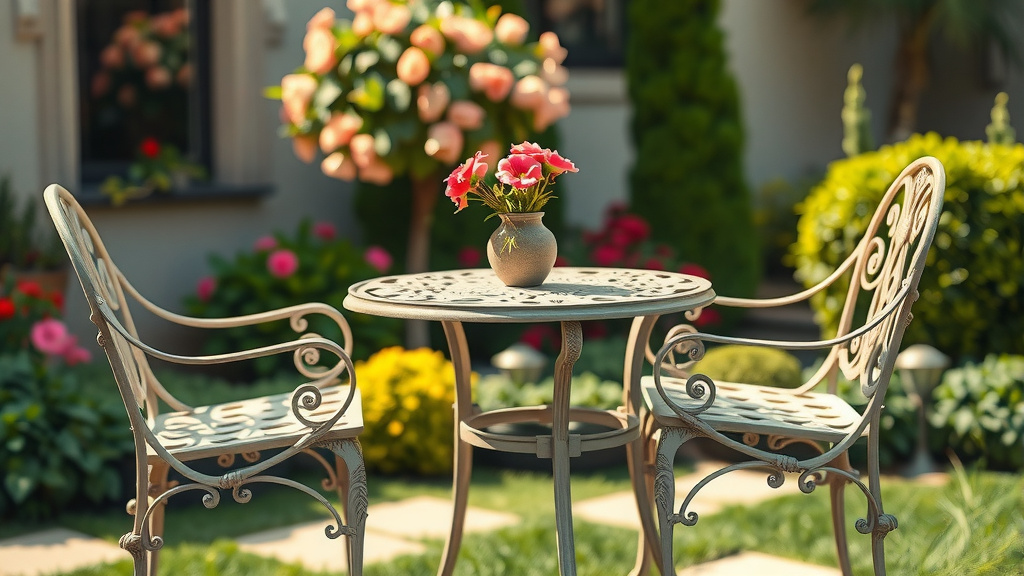
To repaint wrought iron patio furniture, you begin by thoroughly cleaning and degreasing the surface, then remove all rust and loose paint, prime it with a rust-inhibiting primer, and finally apply multiple thin coats of exterior metal paint.
The key steps involve meticulous preparation, including sanding and priming, to ensure a durable and beautiful finish that will protect your furniture for years to come.
- TL;DR: Refreshing your wrought iron furniture starts with a deep clean to remove dirt and old paint.
- Rust removal is essential, using a wire brush or sandpaper for smooth results.
- Applying a rust-inhibiting primer creates a strong bond for the new paint.
- Finish with two to three thin coats of durable exterior metal paint for lasting beauty.
- Always allow proper drying time between each step for the best outcome.
How To Repaint Wrought Iron Patio Furniture?
Repainting wrought iron patio furniture can transform your outdoor space. It’s a rewarding project that extends the life and beauty of your cherished pieces.
You can give your patio set a fresh look with careful preparation and the right materials.
Why Repaint Your Wrought Iron?
Wrought iron furniture is renowned for its strength and classic appeal. Over time, exposure to sun, rain, and humidity can lead to dullness or rust.
A fresh coat of paint isn’t just about aesthetics; it’s about protecting the metal beneath from further corrosion. Think of it as sunscreen for your furniture.
Gathering Your Repainting Arsenal
Before you begin, gathering all your tools makes the process smoother. You wouldn’t start baking a cake without ingredients, right?
Having everything ready helps you stay focused and efficient.
Safety First, Always
Protecting yourself is just as important as protecting your furniture. You’ll be dealing with dust, paint fumes, and sharp edges.
Always wear safety glasses, gloves, and a dust mask. Many experts recommend this for projects involving sanding and painting (OSHA guidelines).
Cleaning Supplies You’ll Need
You’ll want a good degreaser, warm water, and a stiff brush or sponge. Old rags are perfect for wiping surfaces.
A wire brush or steel wool can also be helpful for tougher spots.
Prepping Tools for Perfection
For rust and old paint removal, you might need a wire brush, sandpaper (various grits like 80, 120, 220), or even a power sander for larger areas. Sometimes, a rust converter can save you some elbow grease.
Many patio experts advise choosing tools based on the furniture’s condition and detail level.
The Right Paint for the Job
Selecting the correct paint is critical. Look for an exterior metal primer with rust-inhibiting properties. Then, choose a high-quality exterior metal paint designed for outdoor use.
We found that spray paint formulated for metal often works well for intricate designs (Consumer Reports).
A clear topcoat can add extra durability and shine, extending the life of your paint job.
Step-by-Step Repainting Guide
Ready to get started? Let’s walk through the process together. It’s like building a good house; a strong foundation leads to lasting beauty.
Step 1: Clean and Degrease Thoroughly
Your furniture needs to be spotless. Mix a mild detergent with warm water and scrub every nook and cranny. Pay special attention to hidden spots where dirt collects.
Rinse completely with fresh water and let it air dry. Any lingering dirt or grease will prevent your new paint from sticking.
Step 2: Tackle That Rust!
This is arguably the most important step for longevity. Use a wire brush, sandpaper, or a power tool to remove all loose rust and flaking paint.
If you have pitting rust, a rust converter can neutralize it, turning it into a stable surface ready for primer. Don’t leave any rust behind, or it will reappear.
Step 3: Sanding for a Smooth Canvas
Once rust is gone, lightly sand the entire surface with 120-grit sandpaper. This creates a slightly rough surface, giving the primer something to grip onto. Think of it as preparing the canvas for a painting.
Wipe down the furniture with a tack cloth or a damp rag afterward to remove all sanding dust.
Step 4: Prime Time – Don’t Skip This!
Apply one to two thin, even coats of your rust-inhibiting primer. Primer provides a protective barrier and helps the topcoat adhere better. Follow the manufacturer’s instructions for drying times between coats.
Skipping primer is a common mistake that can lead to early paint failure, research has found.
Step 5: Painting Your Masterpiece
Now for the fun part! Apply your chosen exterior metal paint in thin, even coats. If you’re using spray paint, keep the can moving to avoid drips. For brush application, use smooth, even strokes.
You’ll likely need two to three coats for full coverage and durability. Allow ample drying time between each coat, typically a few hours.
Step 6: The Finishing Touch – Clear Coat
Once your final paint coat is completely dry (often 24-48 hours), apply a clear protective topcoat. This adds an extra layer of defense against UV rays and moisture, keeping your furniture looking great longer.
It’s like sealing your hard work for maximum durability.
Common Mistakes to Avoid
- Rushing the process: Each step needs time to dry and cure. Patience is a virtue here!
- Not cleaning enough: Any remaining dirt or grease will cause paint to peel later.
- Skipping primer: Primer is your paint’s best friend, offering adhesion and rust protection.
- Painting in direct sunlight or extreme temperatures: This can cause paint to dry too quickly or not cure properly. Aim for mild, low-humidity days.
- Applying thick coats: Thick coats often lead to drips, uneven surfaces, and longer drying times. Thin coats are always better.
When Is It Time for a Pro?
Sometimes, a DIY approach isn’t the best fit. If your wrought iron furniture has severe rust damage, intricate designs you can’t reach, or if you simply lack the time, professional help might be worth considering.
Many experts say that heavily corroded pieces often benefit from sandblasting, a service typically offered by professionals. It saves you time and effort.
| Aspect | DIY Approach | Professional Service |
|---|---|---|
| Condition | Minor rust, light peeling paint | Severe rust, extensive damage, complex shapes |
| Cost | Lower initial cost (materials only) | Higher upfront cost (labor + materials) |
| Time | Requires your time and effort | Less personal time commitment |
| Results | Satisfactory with care | Potentially smoother, factory-like finish |
Your repainting checklist:
- Gather all necessary safety gear and supplies.
- Thoroughly clean and degrease the furniture.
- Remove all rust and loose paint.
- Lightly sand for adhesion.
- Apply rust-inhibiting primer.
- Paint with thin, even coats of exterior metal paint.
- Finish with a clear protective topcoat.
Conclusion
Repainting wrought iron patio furniture is a journey that brings new life to old favorites. It’s a project that asks for patience and attention to detail, but the results are incredibly rewarding.
By following these steps, you’re not just applying paint; you’re investing in years of future enjoyment and creating a beautiful outdoor space you’ll love. So go ahead, give your furniture the refresh it deserves!
How long does repainting wrought iron furniture typically take?
The entire repainting process, including cleaning, rust removal, priming, painting, and drying times, usually takes 2-3 days. This allows for proper curing between coats, which is essential for a durable finish.
Can I use any outdoor paint for wrought iron?
No, it’s best to use an exterior metal paint specifically formulated for outdoor use. These paints often contain rust inhibitors and are designed to withstand weather conditions, unlike general exterior paints.
Do I really need to remove all the rust before painting?
Yes, absolutely. Leaving rust underneath new paint will cause it to continue spreading and eventually bubble or flake the fresh paint. Thorough rust removal is a critical step for a lasting finish.
What kind of sandpaper grit should I use for wrought iron?
Start with a coarser grit like 80-120 for initial rust and paint removal. Then, use a finer grit like 220 for a final light sanding to create a smooth surface for primer adhesion.
Is it better to brush or spray paint wrought iron?
Both methods have merits. Spray painting often provides a smoother, more even finish, especially on intricate designs, but requires more masking. Brushing offers better control and can build a thicker coat, ideal for less detailed pieces or small touch-ups.