
How To Pick Patio Furniture?
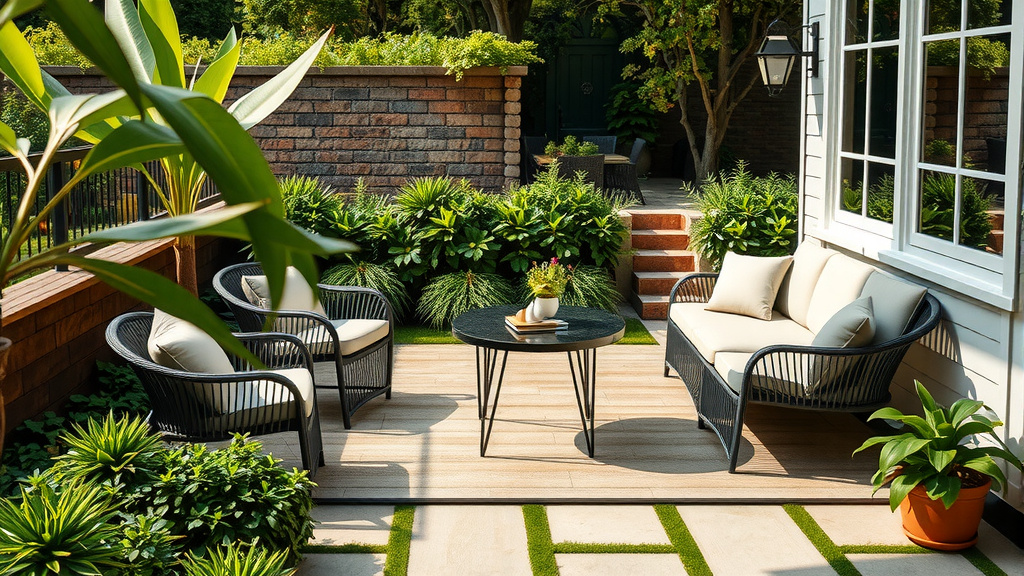
Picking the right patio furniture means balancing your outdoor space’s size and purpose with durable, weather-resistant materials.
To pick patio furniture effectively, consider your lifestyle, climate, and desired maintenance level to create an inviting outdoor sanctuary.
- First, carefully measure your outdoor area and decide its main use.
- Next, explore different furniture materials, understanding their durability and care needs.
- Prioritize comfort by checking cushions and seating ergonomics.
- Finally, choose a style that complements your home and fits within your budget.
How To Pick Patio Furniture?
Choosing patio furniture feels like a big decision, right? It’s not just about what looks good. It’s about creating an outdoor space you’ll actually use and love. We found that the best choices blend function, comfort, and style, all while standing up to the elements.
Start with Your Space First
Before you even dream about comfy chairs, take a good look at your outdoor area. Is it a sprawling deck, a cozy balcony, or a small patio? Understanding the size and shape is your first, most important step.
Think about how people move through your space. You need enough room for walking, pulling out chairs, and simply relaxing. No one likes bumping into furniture!
Measure Twice, Buy Once
Grab a measuring tape! This isn’t just for the length and width of your patio. Consider the height of any railings, windows, or overhead coverings. Visualizing furniture in the space helps avoid surprises, as many experts recommend for a perfect fit.
What’s Your Patio’s Purpose?
What do you imagine doing out there? Will you host lively dinner parties, enjoy quiet morning coffee, or simply stretch out with a good book? Your answer guides your furniture selection.
A dining set works for meals, while a deep-seated sofa invites lounging. Maybe you want both, or a modular set that adapts to different activities. We found that a clear purpose makes picking furniture much simpler.
Material Matters for Durability and Style
The material you choose is really important for how long your furniture lasts and how much care it needs. Each material has its own personality and perks. Think about your local weather and how much sun or rain your patio gets.
| Material | Durability | Maintenance | Typical Cost |
|---|---|---|---|
| Aluminum | Good, rust-resistant | Low, occasional cleaning | Mid-range |
| Wicker/Rattan | Moderate, needs cover | Moderate, dusting/wiping | Mid-range |
| Teak Wood | Excellent, weather-resistant | Moderate, oiling for color | High |
| Steel/Iron | Very Good, heavy, strong | High, can rust if not treated | Mid to High |
Aluminum Furniture
Lightweight and rust-resistant, aluminum is a popular choice. It’s easy to move around and needs little attention. Many experts recommend it for coastal areas because it handles salt air so well.
Wicker/Rattan Furniture
Wicker offers a classic, charming look. Modern versions often use synthetic wicker, which is more weather-resistant than natural rattan. It creates a cozy, inviting feel but may need covering in harsh weather, as research often suggests for longevity.
Teak Wood Furniture
Teak is a premium hardwood known for its natural oils that resist rot, pests, and weather. It ages beautifully to a silvery-gray patina if left untreated. We found that teak offers long-term value and elegance.
Steel/Iron Furniture
For a sturdy, traditional, or even industrial look, steel or wrought iron works well. These pieces are heavy, meaning they won’t blow away in a strong wind. They do need good protective finishes to avoid rust, something many experts highlight.
Comfort is Not an Option, It’s a Must
What good is beautiful furniture if it’s uncomfortable? Sit on it, test it out, and imagine yourself relaxing there for hours. Cushions make a massive difference, so check their thickness and fabric quality.
Many experts say that firm yet soft cushions offer the best support. Look for cushions with outdoor-grade fabric that resists fading and moisture, ensuring they stay comfy season after season.
Style That Speaks to You
Your patio furniture should reflect your personal taste and complement your home’s architecture. Do you lean towards sleek modern lines, rustic charm, or classic elegance? Consistency creates a more pleasing outdoor living space.
Don’t be afraid to mix and match materials or textures for an eclectic look. Just ensure there’s a unifying element, like color or form, to keep it cohesive. This approach can make your space feel truly unique.
Weather Resistance: A Real Game Changer
Your patio furniture faces a lot: scorching sun, pouring rain, and sometimes even snow. Choosing materials built for your climate protects your investment. Research shows that UV-resistant fabrics and rust-proof frames last significantly longer (NIST).
Think about furniture covers too. Even the toughest materials benefit from a little extra protection during extreme weather or the off-season. It’s like giving your furniture a warm, protective hug.
Budget Wisely, Invest Smartly
Setting a budget early helps you narrow down your choices. Remember, quality often comes at a price. Investing a bit more upfront in durable materials can save you money on replacements later.
Don’t forget to factor in accessories like cushions, umbrellas, or accent tables. These smaller items add comfort and style but can quickly increase your total cost. A little planning goes a long way here.
Maintenance: How Much Work Are You Up For?
Some materials need more care than others. Are you happy to regularly clean and treat your furniture, or do you prefer a “set it and forget it” approach? Be honest with yourself about the time you want to spend on upkeep.
For example, teak may need oiling to maintain its warm color, while aluminum might only need a quick wash. Your choice affects how much precious relaxation time you have. Many experts recommend understanding maintenance needs before purchase.
Quick Checklist Before You Buy
- Did I measure my space accurately?
- Have I defined my patio’s main purpose?
- Are the materials suitable for my climate?
- Is the furniture comfortable when I sit on it?
- Does the style match my home’s aesthetic?
- Have I accounted for my maintenance preferences?
Conclusion
Choosing patio furniture is an exciting journey to create your ideal outdoor haven. By thoughtfully considering your space, purpose, materials, and comfort, you’re sure to pick pieces that bring joy for years. Remember, it’s about crafting an extension of your home where memories are made. Take your time, envision your perfect outdoor moments, and select furniture that helps those dreams come true.
How do I choose patio furniture for a small balcony?
For a small balcony, focus on compact, multi-functional pieces. Bistro sets, folding chairs, or a small loveseat with storage are excellent choices. Vertically oriented shelves or plant stands also save floor space. Prioritize pieces that don’t block your view or overwhelm the area.
What is the most durable material for patio furniture?
Teak wood and aluminum are often considered among the most durable materials for patio furniture. Teak naturally resists rot and pests, while aluminum offers excellent rust resistance. Both materials can withstand various weather conditions well with proper care.
Should I buy patio furniture covers?
Yes, buying patio furniture covers is a wise investment, especially if you live in an area with harsh weather. Covers protect your furniture from sun damage, rain, dust, and debris, extending its lifespan and keeping it cleaner. We found that even high-quality furniture benefits from this added protection.
How can I make my patio furniture more comfortable?
To boost comfort, invest in good quality cushions for chairs and sofas. Add throw pillows for extra back support and a pop of color. Consider outdoor rugs to define the space and add softness underfoot. A patio umbrella or pergola can also provide shade, making the area more enjoyable.
Is it okay to mix different styles of patio furniture?
Absolutely! Mixing styles can create a unique and personalized look for your patio. The trick is to find a common thread, such as a consistent color palette, a similar material finish, or a shared design element. This approach prevents the space from looking too chaotic and helps create a curated feel.
