How To Store Garden Patio Furniture Winter?
To store garden patio furniture for winter, first clean and dry all pieces thoroughly to prevent mold and rust.
Then, disassemble larger items if possible, cover them with breathable protection, and move them to a dry, sheltered location like a garage or shed.
TL;DR: Preparing your patio furniture for winter doesn’t have to be a chore. Here’s what you need to know:
- Clean thoroughly: Remove all dirt and debris to prevent damage.
- Dry completely: Moisture is the enemy; ensure everything is bone dry.
- Cover smartly: Use breathable, waterproof covers for ultimate protection.
- Store properly: A garage, shed, or even indoors is ideal.
- Maintain regularly: A little care now saves you a lot of effort later.
How To Store Garden Patio Furniture Winter?
Storing garden patio furniture for winter involves cleaning, drying, covering, and moving it to a sheltered spot to protect it from harsh weather conditions and prolong its lifespan.
As the leaves turn and the air gets crisp, you might feel a pang of sadness. Summer fun fades, but the thought of protecting your outdoor oasis emerges. Don’t worry, we’re here to guide you.
Why Winter Storage Matters
You’ve invested time and money into making your patio a cozy retreat, haven’t you? Leaving furniture out in the cold can cause significant damage. Think about snow, ice, and strong winds.
These elements are harsh. They can warp wood, rust metal, and crack plastic. Proper storage is more than just tidiness; it’s about smart preservation.
Protecting Your Investment
Imagine buying a beautiful new dining set for your patio. Would you leave it exposed to the elements all year? Of course not! Storing it away is like putting money in the bank. It keeps your furniture safe from harm.
Many experts say that skipping winter storage can cut your furniture’s lifespan in half. This means replacing items much sooner than you should (Consumer Reports).
Extending Furniture Lifespan
Taking a few hours to prepare your furniture now gives you many more seasons of enjoyment. This small effort saves you both money and the hassle of frequent replacements. It’s a classic “stitch in time” situation.
Plus, well-maintained furniture simply looks better longer. You will avoid faded colors and brittle materials.
Preparation is Key: The Cleaning Stage
Before you even think about putting things away, everything needs a good scrub. Dirt, pollen, and debris left on furniture can cause stains or even attract mold. You want a fresh start next spring, right?
Start with a simple brush or vacuum to remove loose dirt. Then, use a mild soap and water solution. This simple step makes a huge difference, we found.
Cleaning Different Materials
Different furniture materials need different cleaning approaches. It is not a one-size-fits-all situation. Always check manufacturer guidelines if you still have them.
Wood Furniture Care
For wood, use a soft brush and mild soapy water. Rinse thoroughly. Some woods, like teak, can benefit from a specialized wood cleaner. Remember to avoid harsh chemicals that strip finishes.
Metal Furniture Care
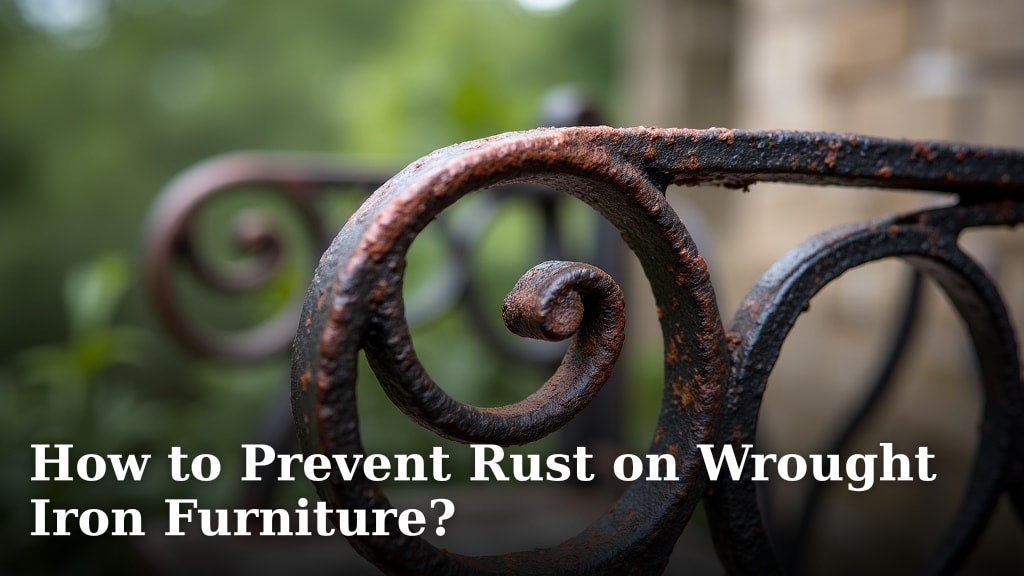
Metal pieces, especially wrought iron or aluminum, can be cleaned with warm water and dish soap. Pay attention to joints and crevices where dirt likes to hide. We found that a soft cloth works best.
Plastic and Resin Pieces
Plastic and resin are quite forgiving. A sponge and soapy water will do the trick. For stubborn stains, a little baking soda paste can work wonders. Just scrub gently and rinse well.
Fabric Cushions and Slings
Cushions and fabric slings often have removable covers. Wash these according to their care labels, usually on a gentle cycle. For non-removable fabrics, spot clean with a fabric-safe cleaner. Be sure to dry them completely.
Drying Your Furniture Properly
This step is often overlooked, but it’s super important. Moisture is the biggest enemy of stored furniture. Any dampness can lead to mold, mildew, and rust, even in a dry garage.
Allow all items to air dry completely in the sun for a full day or two. Turn cushions periodically. You want them bone dry before covering or storing. This ensures no hidden moisture remains.
To Disassemble or Not?
Some items can be taken apart, others cannot. Think about your available storage space. Would disassembling help you save room?
If you have the tools and feel comfortable, it can be a great idea. Just make sure to keep all hardware organized.
Benefits of Disassembly
Disassembling large tables or chairs makes them much more compact. This means they take up less space in your shed or garage. It also reduces the chance of parts breaking during moving or storage.
We recommend labeling all parts and hardware. Use clear plastic bags for screws and bolts to keep them together. This will make reassembly a breeze in the spring.
When to Keep Assembled
For smaller, lighter pieces or those that are difficult to take apart, keeping them assembled is fine. Just ensure they are stable and won’t tip over easily. Cushions, for instance, should always be removed.
Choosing the Right Winter Covers
Furniture covers are like a cozy, protective blanket for your items. They add an extra layer of defense against dust, moisture, and pests. But not all covers are created equal.
Look for covers that are waterproof but also breathable. This prevents condensation from building up underneath. A breathable cover is key for long-term protection.
Material Matters for Covers
Vinyl covers are common, but they can sometimes trap moisture. Breathable polyester or canvas covers are often a better choice. Make sure the covers fit snugly but aren’t too tight.
Many experts suggest choosing covers with vents. These vents allow air circulation while still repelling rain and snow. It is a smart design feature.
Securing Your Covers
Wind can be sneaky and blow covers right off. Look for covers with drawstrings, buckles, or elastic hems. This helps to secure them tightly around your furniture. We often find this detail overlooked.
If storing outdoors, place furniture together in a sheltered spot if possible. Grouping items and covering them as one can be effective.
Ideal Storage Locations
Where you store your furniture is just as important as how you prepare it. The goal is to keep it dry, stable, and protected from extreme temperatures.
Think of it as finding a nice, warm bed for your furniture until spring. A little planning here saves much headache later.
Garage or Shed Storage
This is often the best option. Garages and sheds offer excellent protection from rain, snow, and UV rays. Make sure the area is clean and dry. Consider raising items off the floor on pallets to prevent moisture damage from below. This keeps your items safe and sound.
Outdoor Storage Solutions
If indoor space is limited, outdoor storage is an option, but it requires more careful covering. Place furniture on a hard, level surface. Avoid grassy areas where moisture can collect.
High-quality, durable covers are essential here. You might also consider tie-downs or weights to keep covers in place during strong winds. Some people even use heavy-duty tarps layered over covers for extra defense.
A Quick Storage Checklist
To make your winterization process simple, here’s a handy checklist to follow:
- Clean thoroughly: Every piece, every nook.
- Dry completely: No moisture left behind.
- Inspect for damage: Repair before storing.
- Disassemble big items: If space is tight.
- Cover properly: Breathable and secure.
- Store smartly: Dry, sheltered, elevated if possible.
Material-Specific Storage Tips
Each material has its own quirks. Here’s a quick reference:
| Material Type | Special Cleaning Tip | Key Storage Consideration |
|---|---|---|
| Wood (Teak, Cedar, etc.) | Mild soap, soft brush. Apply sealants if desired. | Keep dry. Elevate from floor. Avoid plastic wrap; allow to breathe. |
| Metal (Aluminum, Wrought Iron) | Warm soapy water. Check for rust; touch up paint. | Ensure completely dry. Store in low-humidity area to prevent rust. |
| Wicker (Natural & Synthetic) | Vacuum, then wipe with damp cloth. | Natural wicker needs indoor storage. Synthetic can be covered outdoors. |
| Plastic/Resin | Dish soap and water. Baking soda for stains. | Stack if possible to save space. Cover to prevent brittleness from cold. |
| Fabric Cushions | Wash covers, spot clean, ensure bone dry. | Store indoors in airtight bins to deter pests and mildew. |
Beyond Winter: Spring Unveiling Tips
When spring finally arrives, the joy of bringing your patio back to life is immense. But don’t just toss the covers off. Give your furniture a quick once-over.
Wipe down surfaces, check for any minor damage, and reassemble carefully. Your efforts in the fall will truly pay off. You will be ready for sunny days in no time.
Conclusion
Storing your garden patio furniture for winter is an act of care. It’s an investment in the longevity and beauty of your outdoor space. By following these practical steps, you are not just putting furniture away; you are ensuring many more seasons of enjoyment.
So, take a deep breath, gather your cleaning supplies, and tackle this task with confidence. Your future self will thank you when spring rolls around, and your patio looks just as inviting as ever. Happy storing!
How do I protect my patio furniture from winter without a shed?
If you don’t have a shed or garage, you can still protect your patio furniture. Use high-quality, breathable, waterproof covers specifically designed for outdoor winter use. Place your furniture on a hard, elevated surface like a paved patio, not directly on grass. Group items together tightly, cover them securely with tie-downs, and consider adding extra tarps for heavy snow or rain.
Should I bring patio cushions inside for winter?
Yes, absolutely! Patio cushions, even those labeled “weather-resistant,” should always be brought indoors for winter. Moisture, freezing temperatures, and pests can quickly ruin them. Store them in a dry, dark place like a closet, attic, or sealed plastic bins to prevent mold, mildew, fading, and damage from critters.
What’s the best way to clean patio furniture before storing it?
The best way is to start by brushing off loose dirt and debris. Then, use a solution of mild dish soap and warm water with a soft brush or sponge. Rinse thoroughly with clean water. For tougher stains, specific cleaners for the material (wood, metal, plastic) may be needed. Always ensure everything is completely air-dried before storing to prevent mildew and rust.
Can I leave composite or synthetic wicker furniture outside in winter?
High-quality composite or synthetic wicker furniture is often designed to withstand various weather conditions, including winter. However, even these materials benefit from protection. Covering them with breathable, waterproof covers is highly recommended. This prevents fading, keeps them clean, and protects against extreme cold that could potentially make materials brittle over many years.
How can I prevent rust on my metal patio furniture during winter storage?
To prevent rust, first clean and thoroughly dry your metal furniture. Check for any chips or scratches in the paint and touch them up with rust-inhibiting paint. Store the furniture in a dry environment like a garage or shed. If storing outdoors, use a high-quality, breathable cover that prevents moisture accumulation, and consider elevating the furniture slightly to avoid direct contact with damp ground.