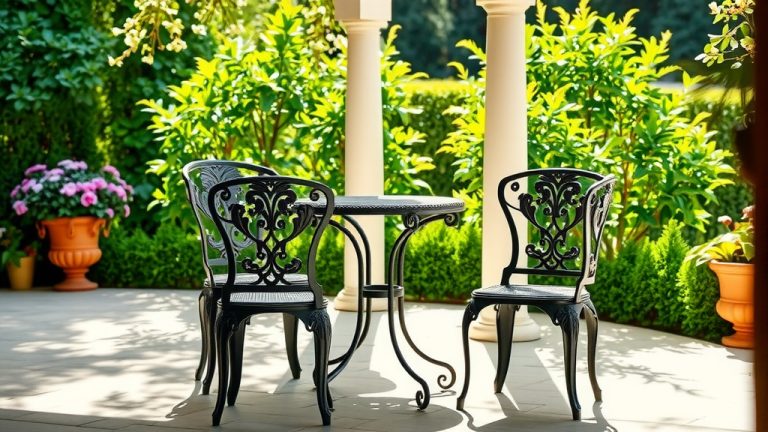
How To Care For Aluminum Patio Furniture?
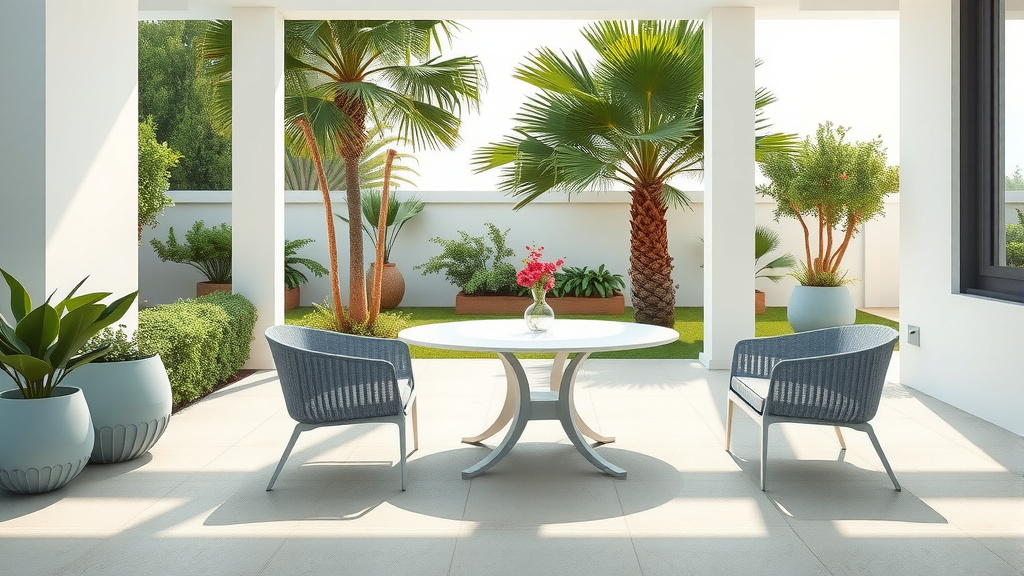
Caring for aluminum patio furniture involves regular cleaning with mild soap and water, followed by a thorough rinse to prevent streaks. Protect it by applying a quality automotive wax annually and covering it during harsh weather.
To keep your aluminum patio furniture looking fantastic for years, consistent, gentle care is key. You will want to regularly wash away dirt and grime, protect it from the elements, and address any small issues quickly to maintain its beauty and durability.
- Keep your aluminum patio furniture clean with a regular wipe-down using mild soap and water.
- Always rinse thoroughly to avoid soap residue, which can attract more dirt.
- Protect the finish by applying automotive wax once a year, enhancing shine and resistance.
- Cover your furniture when not in use or during bad weather to shield it from harsh conditions.
- Quickly fix any scratches or chips to prevent corrosion and keep your pieces looking new.
How To Care For Aluminum Patio Furniture?
Caring for your aluminum patio furniture is quite straightforward, mostly requiring simple cleaning and a little preventative maintenance to keep it shining.
Understanding Aluminum Furniture Durability
Aluminum patio furniture is known for its strength and resistance to rust, making it a popular choice. It stands up well to various outdoor conditions, which is why many homeowners love it. You can expect it to last for many seasons with proper care.
Initial Setup and Placement Tips
When you first set up your furniture, think about its spot. Placing it under an awning or umbrella can reduce direct sun exposure and rain. This small step goes a long way in protecting the finish from fading (we found).
Choosing the Right Spot
Consider areas with some shade during the hottest parts of the day. This keeps your furniture cooler and helps preserve its color over time. A little planning now saves effort later, don’t you agree?
Routine Cleaning: Your First Line of Defense
Regular cleaning is the most important step in how to care for aluminum patio furniture. It stops dirt from building up and keeps your pieces looking fresh, much like a quick shower keeps you feeling great.
Gathering Your Cleaning Supplies
You’ll need a few simple things: a bucket, mild dish soap, soft cloths or sponges, and a garden hose. Avoid anything abrasive; we want to be gentle with that finish.
- Bucket
- Mild dish soap (like Dawn or similar)
- Soft cloths or sponges
- Garden hose with a spray nozzle
- Old towels for drying
Step-by-Step Cleaning Process
Start by wiping off any loose dirt with a dry cloth. Then, mix a small amount of mild soap with warm water in your bucket. Dip your cloth and gently wipe down all surfaces. Always rinse thoroughly with your hose afterward (we found this method effective).
Rinsing and Drying Effectively
After washing, rinse every part of your furniture with clean water. This removes all soap residue, which could leave streaks if left to dry. Dry the furniture completely with a soft towel to prevent water spots.
Deep Cleaning for Stubborn Grime
Sometimes, routine cleaning isn’t enough for tough spots. This is when you bring out slightly stronger methods, but still keeping it safe for the aluminum.
Tackling Mildew and Mold
Mildew can appear in humid conditions. A solution of one part white vinegar to two parts water works well. Spray it on, let it sit for a few minutes, then scrub gently and rinse. This is a common tip from home care experts.
Removing Tough Stains
For greasy spots or sticky residues, a tiny bit of rubbing alcohol on a cloth can help. Test it on an inconspicuous area first, just to be safe. You want to make sure it won’t affect the finish.
Protection and Preventative Maintenance
Beyond cleaning, protecting your furniture is key to its longevity. Think of it like putting sunscreen on your skin before a day in the sun.
Applying Protective Wax
Many experts say applying a good quality automotive liquid wax once a year works wonders. It creates a barrier against dirt and moisture. This also makes future cleaning much easier, as grime slides right off.
Using Furniture Covers
Investing in breathable furniture covers is a smart move. They protect against harsh sun, rain, and winter snow. Covers extend the life of your aluminum furniture significantly, especially if you live in an area with extreme weather.
When to Cover Your Furniture
Cover your furniture when you know bad weather is coming, or during longer periods of non-use. This is particularly helpful during the off-season. It’s like tucking it into bed for the winter!
Addressing Common Issues
Even with the best care, sometimes little problems pop up. Knowing how to fix them keeps your furniture looking its best.
Dealing with Scratches and Chips
Small scratches can be touched up with paint specifically designed for outdoor metal furniture. Find a matching color at your local hardware store. This prevents moisture from getting under the finish (research found).
Tightening Loose Bolts and Screws
Over time, screws can loosen. Regularly check and tighten them with the appropriate wrench or screwdriver. This maintains stability and prevents wobbly chairs. A quick check twice a year is usually enough.
Here’s a simple checklist for maintaining your aluminum patio furniture:
- Wipe down furniture weekly with a dry cloth.
- Clean monthly with mild soap and water.
- Rinse and dry furniture completely after cleaning.
- Apply automotive wax annually for protection.
- Inspect for loose hardware and tighten as needed.
- Cover furniture during harsh weather or non-use.
Seasonal Care Breakdown
Your care routine might shift slightly with the seasons. A little seasonal adjustment helps maintain your furniture through the year.
| Season | Recommended Care Action | Key Benefit |
|---|---|---|
| Spring | Thorough wash, check hardware, apply wax. | Prepares for heavy use, adds protective layer. |
| Summer | Weekly wipe-down, spot clean as needed. | Removes pollen, dust, and light grime. |
| Fall | Deep clean, consider covering for rain. | Removes end-of-season dirt, protects from falling leaves. |
| Winter | Store indoors or cover completely. | Protects from frost, snow, and extreme cold. |
Winter Storage Tips
If possible, store your aluminum furniture indoors during winter. A garage or shed is ideal. If not, make sure it’s covered securely. This is especially crucial for regions with heavy snow or freezing temperatures (many experts say).
Conclusion
Caring for your aluminum patio furniture is really about simple, consistent habits. Regular cleaning, protective waxing, and smart seasonal care will keep your pieces looking fantastic for many years. It’s a small investment of time for furniture that continues to enhance your outdoor living space.
Are aluminum patio furniture pieces rust-proof?
Aluminum itself does not rust because it lacks iron, the element that causes rust. Instead, it forms a protective oxide layer when exposed to air. However, if scratched, painted aluminum can show damage, and fasteners or other parts made of different metals might corrode, so it’s always good to protect the finish.
What is the best way to remove water spots from aluminum furniture?
Water spots often result from mineral deposits left after water evaporates. You can usually remove them by wiping with a cloth dampened with a 50/50 mixture of white vinegar and water. Rinse thoroughly with clean water afterward to prevent vinegar residue.
Can I pressure wash my aluminum patio furniture?
While some people use pressure washers, it is generally not recommended. High pressure can damage the paint or finish, potentially leading to chipping or peeling. A gentle stream from a garden hose is usually sufficient for rinsing after cleaning.
How often should I clean my aluminum outdoor furniture?
For best results, a light wipe-down weekly to remove dust and pollen is great. A more thorough cleaning with mild soap and water should be done monthly or every few weeks, depending on how much it’s used and exposed to the elements.
Is it okay to leave aluminum patio furniture uncovered all year?
While aluminum is durable, leaving it uncovered year-round, especially in harsh climates, can shorten its lifespan and dull its finish. Covering it during extreme weather or when not in use significantly extends its beauty and durability, much like wearing a coat on a cold day protects you.