What Is the Best Color for a Outdoor Lounge Chair?
On this page (7 sections)
When choosing the best color for your outdoor lounge chair, focus on colors that blend well with your surroundings and don’t fade quickly in the sun. Light neutrals like beige, cream, or light gray are excellent choices. They reflect sunlight, staying cooler to the touch. These colors also offer a versatile backdrop for colorful cushions and accessories. Darker colors can absorb more heat, making your chair uncomfortable on hot days.
Think about longevity and style. Some colors are more prone to showing dirt and wear. For instance, bright white might show grass stains easily. We found that earth tones such as olive green, terracotta, or a muted blue offer a natural look. They often resist fading better than vibrant hues. Consider the overall aesthetic you want for your patio or garden space when making your final decision.
- Light neutrals (beige, cream, light gray) stay cooler.
- They offer a versatile look for cushions.
- Earth tones (olive, terracotta, muted blue) blend naturally.
- Consider fade resistance and dirt visibility.
Ready to find that perfect shade? Let’s dive into the different color options and what makes them a great fit for your outdoor oasis.
“`htmlChoosing the Right Shade for Your Outdoor Lounging
Selecting the perfect color for your outdoor lounge chair goes beyond just picking something pretty. It’s about finding a shade that enhances your space and holds up against the elements. We’ve found that the best colors often balance aesthetics with practicality. Think about how the color interacts with sunlight and how easily it might show dirt or fade over time. This guide will walk you through the popular options and help you make a choice you’ll love all season long.
Understanding Color’s Impact on Comfort and Durability
Did you know color can actually affect how hot your lounge chair gets? This is a big deal when you’re looking to relax outdoors on a sunny day. Let’s break down why this matters and how different hues perform.
Heat Absorption: Dark vs. Light
The science is pretty straightforward here. Darker colors absorb more sunlight, which means they convert that light energy into heat. Light colors, on the other hand, reflect more sunlight. This reflection helps keep the surface cooler. We’ve all experienced sitting on a dark patio chair on a hot afternoon – it can be quite uncomfortable!
Research consistently shows that lighter shades are better at staying cool to the touch. This means you can lounge comfortably for longer, even when the sun is high in the sky. It’s a simple but effective way to improve your outdoor relaxation experience.
Fade Resistance: Sun’s Toughness
Your outdoor furniture faces constant exposure to UV rays from the sun. Over time, these rays can break down the pigments in fabrics and plastics, causing colors to fade. Some colors are naturally more susceptible to this than others. Vibrant, intense colors often contain dyes that are less stable when exposed to prolonged sunlight.
We’ve found that certain types of pigments and fabric treatments can significantly improve fade resistance. For example, solution-dyed acrylics are known for their excellent colorfastness. This means the color is integrated into the fiber itself, making it much harder to fade. Many outdoor furniture manufacturers now use these advanced materials to ensure longevity.
Dirt and Stain Visibility: Keeping it Clean
Let’s be honest, outdoor spaces can get a bit messy. Whether it’s pollen, pet paw prints, spilled drinks, or just general dust, your lounge chair might see its fair share of grime. Certain colors are much more forgiving when it comes to showing these imperfections.
Bright white might look crisp initially, but it can quickly show grass stains or muddy footprints. Very dark colors, like black or navy, can sometimes show lint, dust, or light-colored stains more prominently. Mid-tones and patterns often do a better job of camouflaging everyday dirt. This can save you a lot of cleaning effort and keep your chairs looking good longer.
Popular Color Palettes for Outdoor Lounge Chairs
Now that we understand the practicalities, let’s explore some of the most popular and effective color choices for outdoor lounge chairs. These selections are based on both visual appeal and performance in an outdoor environment.
The Calm of Neutrals
Neutral colors are a perennial favorite for a reason. They offer a sophisticated look and provide a versatile base for your outdoor décor. We found that neutrals work in almost any setting, blending well with natural surroundings and complementing a wide range of accent colors.
Beige and Tan: Earthy and Inviting
Shades like beige, tan, and sand are wonderfully earthy. They evoke a sense of calm and relaxation, much like a sandy beach. These colors are excellent at reflecting sunlight, keeping your chair cooler. They also tend to hide minor dirt and wear quite well. If you’re aiming for a warm and inviting atmosphere, beige or tan is a superb choice.
Light Gray and Charcoal: Modern and Chic
Light gray offers a contemporary feel. It’s clean, modern, and incredibly versatile. Like beige, it reflects heat effectively. Charcoal gray provides a more dramatic look and can hide dirt very well. However, as a darker shade, it will absorb more heat. Many people opt for charcoal for its sleek appearance, understanding it might be warmer to the touch on intense heat days.
Cream and Off-White: Bright and Airy
Cream or off-white can brighten up your outdoor space. They offer a fresh, airy feel without the starkness of pure white. We’ve found that these shades also reflect sunlight well, contributing to a cooler seating surface. While they might show dirt a bit more than beige or gray, they can be cleaned up with relatively little effort, especially if the fabric is treated for stain resistance.
The Serenity of Blues and Greens
Blues and greens bring the calming influence of nature to your patio or deck. These colors are known for their relaxing properties and can help create a tranquil outdoor retreat.
Muted Blues: Cool and Relaxing
Think of a soft sky blue or a dusty denim. These muted blues are incredibly soothing. They blend beautifully with natural elements like water features or lush greenery. We found that these shades generally hold up well against fading, especially when they are not overly saturated. They also offer a pleasant cooling effect visually and practically.
Olive and Sage Green: Natural and Grounded
Olive green and sage green are inspired by the earth and plant life. They connect your outdoor space to its surroundings. These colors are excellent for creating a natural, grounded aesthetic. Many experts suggest greens for outdoor furniture because they camouflage well with garden foliage. Olive and sage are also quite forgiving when it comes to showing dirt and wear.
Vibrant Accents: A Pop of Personality
While neutrals and nature-inspired tones are excellent for the main chair color, don’t shy away from vibrant hues for accent pieces. If you love a bold look, consider using these colors in cushions, throws, or umbrellas.
Terracotta and Rust: Warm and Earthy Tones
Terracotta and rust shades bring a warm, bohemian vibe. These colors are reminiscent of baked earth and have a rich, inviting quality. We’ve found that these earthy reds and oranges can hide dirt well and often have good fade resistance, especially if they are in a muted, desaturated form. They add a touch of warmth without being overpowering.
Bold and Bright: Use Sparingly
Colors like bright red, sunny yellow, or turquoise can be stunning. However, they often come with a caveat: they can be more prone to fading and may absorb more heat. If you adore these colors, consider them for smaller items like seat pads or throw pillows. This allows you to enjoy the vibrancy without the long-term durability concerns often associated with highly saturated outdoor furniture.
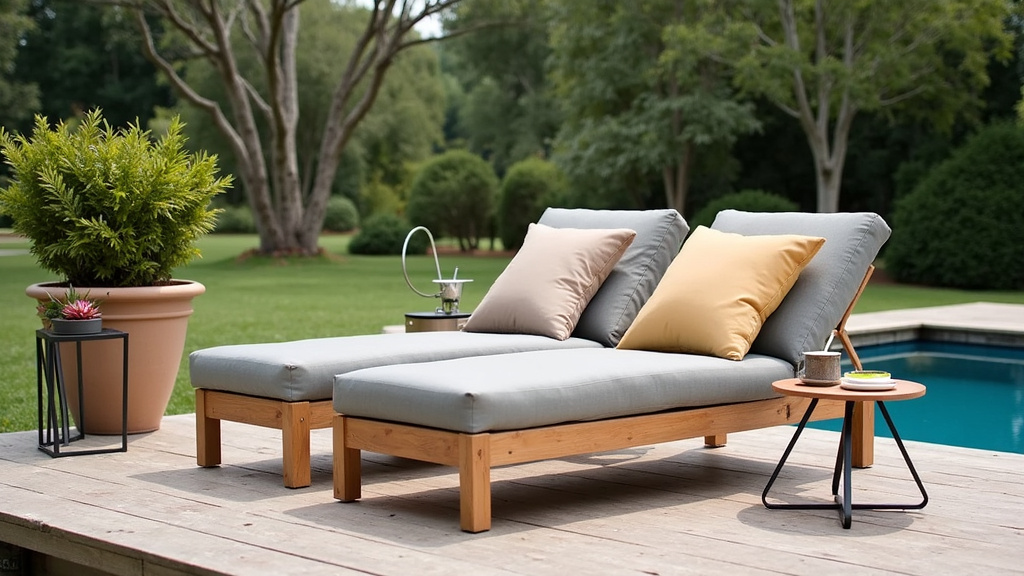
Material Matters: How Fabric Impacts Color Choice
The material of your lounge chair plays a role in how a color looks and performs. Different fabrics react to sun, water, and dirt in unique ways, influencing your color choice. The material of your lounge chair plays a role in how a color looks and performs, and understanding the best material for outdoor lounge chair is key.
Woven Fabrics (e.g., Polyester, Olefin)
Many outdoor cushions use woven synthetic fabrics like polyester or Olefin (polypropylene). These materials are designed for outdoor use. We found that solution-dyed Olefin offers exceptional fade resistance. Colors woven into the fibers tend to be more durable. Lighter colors in these fabrics often stay cooler, as we discussed earlier.
Wicker and Rattan (Natural and Synthetic)
Synthetic wicker or rattan often comes in neutral tones like brown, beige, or gray. These colors are practical as they blend with the natural look of the material. Natural wicker can fade more noticeably over time, so lighter, more muted colors might show wear less than very dark ones. We’ve seen that darker synthetic wickers can also absorb heat more readily.
Metal and Wood Frames
If your lounge chair has a metal or wood frame, the color of the finish is also important. Powder-coated metal frames in lighter colors will stay cooler. Wooden frames are often stained or painted. Outdoor-grade stains and paints offer durability, and the color choice will follow the same principles of heat absorption and dirt visibility as other materials.
A Quick Checklist for Your Perfect Color Choice
Ready to make a decision? Here’s a quick recap to guide you. Think about these points as you browse:
- Sun Exposure: How much direct sun does the chair get? Light colors are cooler.
- Climate: Is your area very hot? Lighter, reflective colors are best.
- Maintenance Level: How much time do you want to spend cleaning? Mid-tones hide dirt well.
- Desired Vibe: Do you want calm and serene, or bold and energetic?
- Existing Décor: How will the color complement your patio furniture, plants, and home exterior?
- Fade Resistance: Check fabric descriptions. Solution-dyed materials are superior.
Conclusion
Choosing the best color for your outdoor lounge chair ultimately balances style with smart, practical choices. Remember that lighter neutrals and earth tones offer comfort by staying cooler and are forgiving with dirt, while also providing a versatile backdrop for your décor. Think about how much sun your chair gets and how you want it to feel in your space. By considering heat absorption, fade resistance, and maintenance, you can confidently select a color that enhances your outdoor living area for seasons to come.
Frequently Asked Questions
Will a dark-colored outdoor lounge chair get too hot to sit on?
Yes, dark colors absorb more sunlight, converting it into heat. This means a dark chair can become uncomfortably hot on sunny days, making lighter, reflective colors a better choice for comfort. We’ve found this to be a significant factor in user satisfaction.
What are the most fade-resistant colors for outdoor furniture?
Generally, muted or earthy tones tend to resist fading better than vibrant, saturated colors. Colors that are solution-dyed into the fabric fibers also offer superior fade resistance. Look for descriptions that mention good UV protection.
Do light-colored outdoor lounge chairs show dirt more easily?
Bright white can show stains and dirt very visibly. However, off-white, cream, or light gray colors can be quite forgiving. Mid-tone colors and subtle patterns often do the best job of camouflaging everyday dirt and dust.
Can I use bold colors if I love them, or should I stick to neutrals?
You absolutely can use bold colors! If you love vibrant hues like bright red or yellow, consider using them for accent pieces like cushions, throws, or umbrellas. This allows you to enjoy the color without the potential heat absorption or fading issues associated with using them as the primary chair color.
How does the chair’s material affect the best color choice?
The material does play a role. For synthetic wicker, neutral colors like brown or gray are common and practical. For fabrics, solution-dyed Olefin in lighter colors offers both coolness and fade resistance. For wood or metal, the finish color follows the same principles of heat reflection and durability.