How to Build a Picnic Table
A basic picnic table uses a rectangular top, two A-frame supports, and attached benches. Choose dimensions that fit your space, use outdoor-rated lumber and fasteners, and follow a measured plan before cutting.
On this page (9 sections)
- What dimensions work for picnic table plans?
- What materials do you need to build a picnic table?
- How do you prepare a cut list and work area?
- How do you assemble a picnic table?
- How do you make the table stable and safe?
- What finish protects a picnic table outdoors?
- How do you dress a picnic table for a gathering?
- What should you check before using the table?
- Which picnic table plan should you choose?
A practical picnic table plan uses a rectangular tabletop, two braced supports, and benches, sized to fit your yard and the people who will use it. Measure the space first, choose outdoor-rated lumber and compatible fasteners, then follow a cut list before assembling the frame.
A simple design works well for a first build because it has a flat top, repeated boards, and a small number of support assemblies. The exact board count and cuts depend on the plan you choose, so don't mix measurements from different plans.
What dimensions work for picnic table plans?
For a family table, start with a top about 6 ft long, 28 to 30 in wide, and 28 to 30 in high. Bench seats commonly sit about 17 to 18 in from the ground, but the best fit depends on who will sit there.
Leave room around the table for people to pull out and use the benches. Check the full footprint, including bench edges and the space needed to walk behind them, before buying lumber.
A longer table may fit more people, but it also needs longer boards and a level location. If you want a smaller table for a patio, choose a plan with shorter top boards and adjust the bench length to match.
How wide should the tabletop be?
A top around 28 to 30 in wide gives room for plates and serving dishes without making the benches feel too far away. Wider designs can work, but check that diners can reach the center comfortably.
The top can be made from several boards with small gaps between them. Gaps help water drain, but keep them consistent and follow the plan's spacing so the boards stay supported.
What materials do you need to build a picnic table?
Choose outdoor-rated lumber, exterior fasteners, and a finish suited to the wood. A typical plan uses boards for the top and benches, heavier pieces for the legs and braces, and bolts or screws specified by the designer.
Pressure-treated lumber is one common choice for outdoor projects. Follow its handling directions, and select hardware rated for contact with treated wood if the lumber requires it.
Other options include cedar or another naturally durable wood available in your area. Compare cost, weight, maintenance, and local weather exposure before choosing; avoid using indoor-only boards or fasteners outdoors.
The Maitys clips are intended for table edges about 3/4 to 1 in thick, so measure the finished tabletop edge before choosing them. Keep cloth and clips away from sharp corners, and remove them before moving or storing the table.
How do you prepare a cut list and work area?
Use one complete plan and transfer every measurement to a cut list before sawing. Mark each part with its name and finished length so matching pieces stay together during assembly.
A simple cut list separates the tabletop boards, bench boards, legs, braces, and any long supports. Check the plan's lumber dimensions, since nominal board sizes differ from their actual finished sizes.
Set up on a level surface with enough space to support long boards. Wear eye and hearing protection when cutting, and secure each piece before using a saw or drill.
Measure twice and mark square lines across the board. Make a test cut on scrap if you are unsure about a saw setting, then compare the first finished piece against the plan before repeating the cut.
How do you assemble a picnic table?
Build the two support frames first, connect them with long rails, then attach the top and benches. Keep the frame square and level as you work, and use the fastener size and placement shown in your plan.
- Cut and label the pieces from the plan's cut list.
- Assemble each end support on a flat surface.
- Check that both supports match and sit evenly.
- Join them with the lengthwise rails or braces.
- Attach the tabletop boards with even spacing.
- Fit the benches at the planned height and overhang.
- Tighten fasteners and check for wobble or sharp edges.
Don't fully tighten every fastener until the frame is aligned. A small adjustment at this stage can prevent a twisted top or uneven bench.
How do you keep the frame square?
Measure diagonally from corner to corner across the frame. If the two diagonal measurements match, the frame is square; adjust the supports before adding all the top boards.
Use clamps or a helper to hold long parts in place while you drill. Keep hands clear of the bit and follow the drill and fastener instructions.
How do you make the table stable and safe?
A stable table rests evenly on firm, level ground, with braces that resist side-to-side movement. Check the joints after assembly, then press gently on each corner and bench to find rocking or loose connections.
Follow the plan's brace angles and fastener locations instead of guessing. If the table rocks, first check the ground and leg lengths; don't try to hide a structural problem with a loose shim.
Sand exposed edges and corners to reduce splinters. Inspect the underside too, where screw points or rough cut ends may be easy to miss.
Avoid climbing or standing on the table. Keep the finished table away from open flames and follow the lumber and finish instructions for curing before regular use.
What finish protects a picnic table outdoors?
Use an outdoor wood finish that suits the lumber and your climate, and follow its label for surface preparation and drying time. A finish can help limit weather exposure, but it still needs periodic inspection and care.
Let the wood dry as directed before finishing. Remove dust after sanding, apply the finish evenly, and keep the table out of use until it is ready.
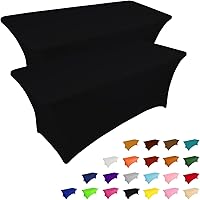
A fitted cover can make a clean table easier to dress for an event. The IVAPUPU 2-pack includes two black 6 ft rectangular spandex covers, each sized 72 x 30 in.
Measure the tabletop before choosing a cover, since a homemade table may not match those dimensions. The fabric is polyester and spandex, and its care instructions allow machine washing.
How do you dress a picnic table for a gathering?
Choose a cloth that fits the top, then secure it if wind or movement could pull it loose. Add only decorations that leave enough room for plates, serving dishes, and hands.
For an event setup, consider best outdoor dining table decor for ideas that suit an outdoor meal. A washable table cover can simplify cleanup, while a cloth draped over the table may need clips to keep it in place.
The Sazoemao clips are made of ABS plastic and are described for picnic and outdoor use. Their stated fit range differs from other clips, so check the table edge thickness carefully before selecting them.
For a closer look at clip options, see best picnic table clips for tablecloths. If you prefer a loose cloth, compare best picnic table cloth and measure the top so the overhang suits your benches.
What should you check before using the table?
Check that all joints are tight, the table sits level, and no rough or sharp edges remain. Recheck it after the first few uses, since lumber can shift as it dries outdoors.
Look over the tabletop and benches for cracks, splinters, and standing water. Tighten loose fasteners with the right tool, and replace any damaged structural piece before people use the table.
If you plan to add a fire feature nearby, keep it separate from the wood table and follow the appliance's clearance instructions. See how to build a DIY fire pit table for a separate project, or compare best fire pit table options.
Which picnic table plan should you choose?
Choose a 6 ft plan with attached benches if you have enough room and want a familiar family layout. Pick a shorter design for a compact patio, and prioritize a complete cut list, clear bracing details, and lumber suited to outdoor use.
Measure the space before cutting, build the supports square, and test the table for wobble before finishing it. For event use, select a cover and clips only after measuring the finished tabletop and edge thickness.
Frequently asked questions
What is a good size for a picnic table?
A common family picnic table is about 6 ft long, with a top around 28 to 30 in wide and about 28 to 30 in high. Bench height is often about 17 to 18 in.
These are planning ranges, so adjust for the people using it and confirm every measurement in your chosen plan.
What wood should I use to build a picnic table?
Use lumber rated for outdoor exposure, such as pressure-treated wood or a naturally durable species suited to your climate. Check local guidance for safe handling, and use fasteners rated for the lumber and outdoor conditions.
Let wet lumber dry as the plan directs before applying a finish.
How many boards do I need for a picnic table?
The number depends on the plan, lumber dimensions, and whether the benches are attached. Use a cut list that names each finished piece and its length, then add a small allowance for damaged ends and cutting errors.
Don't estimate from the finished table size alone.
Should I seal a new picnic table?
An outdoor finish can help limit moisture and sun exposure, but the right choice depends on the wood and local weather. Follow the finish label and lumber guidance, and let the table dry fully before use.
Inspect the surface each season and renew the finish when water no longer beads.