Can You Put Interlocking Deck Tiles on Grass?
Yes, you can put interlocking deck tiles on grass, but only on a firm, level, well-drained base. Grass alone is usually too soft and uneven, so prep the area, add support, and choose tiles made for ground contact.
On this page (10 sections)
- Can you put interlocking deck tiles on grass without prep?
- What ground prep do interlocking deck tiles on grass need?
- How do you add support so tiles do not shift?
- Which tile material works best on grass?
- How do you handle drainage and grass health?
- Can you put patio furniture on grass with tiles?
- What mistakes make tiles sink, gap, or turn slippery?
- How do you maintain tiles on grass through the seasons?
- When should you skip grass and use a hard base instead?
- What is the best way to decide on interlocking deck tiles on grass?
Yes, you can put interlocking deck tiles on grass, but grass by itself rarely gives you a firm floor. The tiles need a level base, drainage, and support, or they will rock, gap, and trap moisture.
This guide explains when grass works, when it does not, and how to prep the spot.
Can you put interlocking deck tiles on grass without prep?
You can place tiles straight on grass for a short term test, but it rarely suits daily use. Soft soil compresses under chairs, feet, and tables, so the surface feels spongy and uneven.
Rain, growth, and foot paths also change the ground. Wet soil sinks, dry soil hardens, and dips can break the tile grid.
Keep a no prep test small and temporary, and use a few tiles in a dry period. Check them after rain, and lift them if water pools below.
For seating or play, prep is worth it. A level base keeps edges from lifting and stops grass from pushing up between seams.
What ground prep do interlocking deck tiles on grass need?
Level the area, clear debris, and firm soft soil before you lay tiles. Mow the grass short, then remove stones, sticks, and roots.
Mark the space with string or stakes and measure both ways so the field stays square. Fix the corners before you add any base material.
Compact very soft soil with light passes, then fill dips with coarse sand or fine gravel and rake it level. For a permanent base, dig down a few inches, add compacted gravel, and finish with a thin sand layer for drainage.
Keep the finished height below nearby doors and steps. Check clearances before you cover a large area.
How do you add support so tiles do not shift?
Support comes from a flat base, a locked grid, and a firm edge. Tiles shift when one corner rests on soft grass and the next on a stone or root.
Work in rows and press each tile down as you go. Snap connectors fully closed, then check the row with a straightedge before adding the next.
Add edge pieces, pavers, or a low frame to stop spreading. Avoid laying tiles right up to a slope, since water can run under one edge and push the field downhill.
Plan a large layout with interlocking deck tiles on paper first. Note doors, steps, downspouts, and low spots so you do not trap water at a threshold.
Which tile material works best on grass?
Plastic tiles usually suit grass better than wood because they handle moisture with less care. They do not rot, but they can trap dirt and need washing.
Wood tiles look warm and natural and suit a covered deck or dry patio. On open grass, they face constant moisture, shade and soil contact.
The best plastic interlocking deck tiles resist water and clean easily. Look for open drainage slots, thick grids and connectors that stay closed under weight.
The best interlocking wood deck tiles suit a dry, sunny spot or raised base with good airflow. If you choose wood, lift, clean and dry them regularly.
Wood tiles on grass: what should you watch for?
Wood tiles need a drier base and more airflow than plastic tiles. Soil moisture can keep the underside damp, and shade slows drying after rain.
Use wood tiles on a gravel or paver base rather than bare soil when possible. Lift a few tiles after a wet week to check for mold, soft spots, or trapped mud.
Plastic tiles on grass: what are the trade-offs?
Plastic tiles handle damp ground better, but they can feel harder and hotter in full sun. Color and thickness affect heat, so dark tiles may be too hot for bare feet.
Choose a grid with open spaces so water and dirt can pass through. A solid tile traps more moisture against the grass and can make the lawn smell musty.
How do you handle drainage and grass health?
Grass under tiles gets less light, air, and water, so it often thins and may not recover well later.
Leave a small gap around the field so rain can reach the lawn. On wet soil, add drainage first with a gravel base, a slight slope away from the house, and open grids.
Lift tiles now and then to check for standing water, slime, or a sour smell. If you see any, improve drainage and let the area dry before resetting.
For layout help, our guide on how to use interlocking deck tiles covers spacing, edges, and cutting around posts.
Can you put patio furniture on grass with tiles?
Yes, tiles spread the load better than bare grass for patio furniture. Chair legs and table feet press on single tiles, so use pads or thicker tiles under heavy pieces.
This matters for the same reason we ask Can You Put Patio Furniture On Grass? before any setup. Bare grass crushes, soil shifts, and legs sink or tilt.
Tiles do not fix a weak base. If a chair rocks on one tile, the base below is uneven, not the chair.
For wider loads, place a rug or mat over the tiles to soften the surface and protect connectors. If you plan to put a rug directly on lawn instead, see using an outdoor rug on grass.
A flat outdoor rug can also mark a seating zone without adding much height. Our tips for How To Put Patio Furniture On Grass? apply here too.
Which rugs help on top of tiles?
A low-pile outdoor rug adds comfort and defines a seating area without hiding the tile edges. For larger seating areas, compare best 8x10 outdoor rugs.
Choose a size that covers the main traffic path but leaves the border visible.
The JONATHAN Y Moroccan Geometric Indoor Outdoor Area rug measures 120 x 93 inches and uses flat-weave 100% polypropylene. JONATHAN Y says the low pile resists UV fading, will not collect dirt, and cleans with a mild soap and water mix.
Its geometric pattern in khaki tan and black suits a tile field that needs a clear visual anchor. The rug can break up a large grid of plain tiles.
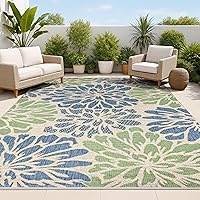
The JONATHAN Y Floral Textured Weave Indoor Outdoor rug also measures 120 x 93 inches and uses low-pile synthetic fibers. JONATHAN Y says spills clean up easily and the fibers resist UV fading for patio, porch, and backyard use.
Leafy green and navy flowers on a beige ground make it a better pick if you want contrast with wood-look tiles. It covers the same area as the Moroccan rug, so choose by pattern and color, not by size.
The SEEKSEE Fall Decor Buffalo Plaid Outdoor Rug measures 43 x 27 inches and uses cotton with a low profile. SEEKSEE says it is machine washable and reversible, and it is made for layering with a doormat.
This size suits a small entry on tiles, not a full seating area. Use it where a door opens onto the tile field and where you can take it inside during heavy rain.
What mistakes make tiles sink, gap, or turn slippery?
Most failures come from soft soil, poor drainage, and tiles that are not fully locked. A grass field moves a little at first, so early checks prevent bigger gaps.
Do not lay tiles over long grass. Tall blades bend, trap water, and hold tiles off the soil.
Mow short, clear clippings, and let the surface dry before you start.
Do not ignore a low corner because one tile still looks flat. Water will collect there, soil will settle, and the gap will spread.
Do not use a thick rug pad on grass. It holds water and can make the whole field shift.
Clean tiles with a hose and stiff brush, then lift them to wash the underside.
How do you maintain tiles on grass through the seasons?
Check the field after heavy rain, after mowing and at the start of each season. Look for lifted corners, open connectors, mud in the grid and grass growing through seams.
During wet months, lift tiles more often to let the base dry. If soil stays soggy, add gravel or improve the slope instead of adding more tiles.
In summer, hose tiles down and let them dry in place. Dark tiles can get hot, so test the surface before children or pets walk on it barefoot.
In fall, clear leaves from the grid before they mat down and hold water. Store spare tiles flat and dry if you remove the field for winter, and label rows for easy reassembly.
When should you skip grass and use a hard base instead?
Skip grass if the soil is clay, shaded, sloped, or wet most of the year. Tiles on that ground will need constant leveling and may still shift.
Choose a patio, deck, concrete pad, or a dug gravel base for heavy furniture, a hot tub, or a play area. Those bases cost more up front but hold their shape.
Skip grass too if you need a wheelchair route, a stroller path, or a surface for a heavy table, since a firm base gives repeatable height.
Grass works best for a light, seasonal setup in a sunny, well-drained spot, like a small seating nook or a temporary path to a garden bed.
What is the best way to decide on interlocking deck tiles on grass?
Pick grass only when you can prep a level, drained base and accept that lawn under tiles will thin. That rule saves repeat work.
Choose plastic tiles for damp or shaded ground, and wood tiles for a dry base with good airflow. Add a border, lock each row, and check the field after the first hard rain.
Use a large low-pile rug for a seating zone, and a small mat for a door entry. The two JONATHAN Y rugs cover 120 x 93 inches, while the SEEKSEE mat covers 43 x 27 inches, so size should drive the pick.
If ground stays soft after you compact it, change the base instead of forcing tiles to do the work.
Frequently asked questions
Can you put interlocking deck tiles directly on grass?
You can place them on grass for a temporary setup, but the result is often soft, uneven, and prone to shifting. For a stable surface, level the area, remove soft spots and debris, and add a firm base or grid support under the tiles.
Do interlocking deck tiles kill the grass underneath?
Tiles block light and airflow, so grass under them will thin or die over time, especially in wet or shaded spots. If you want to keep the lawn alive, use tiles only for short periods or leave gaps for light and water.
What is the best base for deck tiles on grass?
A compacted gravel, sand, or paver base gives the most stable support, while a weed barrier over leveled soil is a lighter option. The key is a flat surface with good drainage, since standing water makes tiles sink, shift, and grow slippery.
Are wood or plastic tiles better on grass?
Plastic tiles usually handle moisture and ground contact better, while wood tiles suit covered or drier spots and need more care. Check the maker guidance on ground use, drainage, and weight limits before you choose.