How To Store Patio Furniture In Winter?
On this page (5 sections)
To effectively store patio furniture in winter, begin by thoroughly cleaning and drying each piece to prevent mold and rust, then consider covering or moving items indoors based on material and available space.
Protecting your patio furniture from harsh winter conditions extends its lifespan and saves you money, making careful storage a smart annual task.
Here’s a quick overview of what you’ll find:
- Clean all furniture pieces completely.
- Decide if you will store indoors or outdoors.
- Use proper covers for outdoor storage.
- Protect cushions and fabrics indoors.
- Consider disassembling larger items to save space.
How To Store Patio Furniture In Winter?
Storing patio furniture for winter means protecting it from snow, ice, and cold. This prevents damage and helps your outdoor pieces last much longer.
Proper preparation is key to keeping your patio setup ready for spring. You want to avoid nasty surprises when warmer weather returns.
Why Bother Storing Your Patio Furniture?
You might think your furniture is tough, but winter can be brutal. Cold temperatures can make materials brittle. Moisture can lead to rust or rot.
Harsh UV rays, even in winter, can fade colors. Think of storage as a little vacation for your furniture, keeping it safe and sound.
Protecting Your Investment
Good quality patio furniture is an investment. You want it to last for years, right? Leaving it exposed shortens its life. We found that proper storage can double the lifespan of many outdoor pieces.
It’s like putting a car in the garage instead of leaving it outside all year. A little effort now saves you from costly replacements later.
First Steps: Cleaning Your Furniture
Before any storage, cleaning is absolutely critical. You don’t want to trap dirt and grime under covers or inside a shed. This could lead to mold or mildew problems.
Grab a hose, some mild soap, and a soft brush. Give everything a good scrub.
Cleaning Specific Materials
Different materials need different care. For instance, wicker or rattan benefits from a soft brush. Metal can handle a bit more scrubbing. Wood might need a gentle wash and then a good drying.
Always rinse thoroughly. You don’t want soap residue attracting dirt or leaving stains.
Here’s a simple cleaning guide:
- Wicker/Rattan: Use a soft brush and mild soapy water. Rinse well.
- Metal (Aluminum/Steel): Wash with soap and water. Dry completely to avoid rust.
- Wood: Clean with mild soap. Consider a wood preservative after drying.
- Plastic: Easy to clean with soap and water. A quick wipe down is usually enough.
- Fabric (Cushions): Remove covers if possible and wash according to tags. Store cushions separately.
Drying is Just as Important
After cleaning, everything must be bone dry. Moisture is the enemy when storing. It causes rust on metal, mold on fabrics, and rot on wood.
Let items air dry completely in the sun for a day or two. If you’re short on time, use towels to speed things up.
Where to Store Your Patio Furniture
Now that your furniture is clean and dry, where should it go? You have a few options, each with pros and cons. Your decision might depend on space, budget, and the type of furniture you own.
Think about what makes the most sense for your home and patio.
Indoor Storage Options
The safest place for your patio furniture is indoors. This offers the best protection from harsh weather elements. It’s like giving your furniture a cozy winter hideaway.
Do you have space in your garage, basement, or shed? Many experts we consulted suggest indoor storage whenever possible (Consumer Reports).
Garage or Basement Storage
These are prime spots. Garages offer ample space. Basements usually stay dry and have a steady temperature. If you can fit everything, this is often the best choice.
Consider shelving units to stack smaller items. This can free up valuable floor space.
Sheds and Storage Units
A garden shed works wonderfully if it’s weather-tight. Make sure it’s dry and free from pests. If you’re really short on space, a rented storage unit could be an option. These can be climate-controlled, which is a big plus.
Always check for proper ventilation to prevent mildew in any enclosed space.
Outdoor Storage Options
If indoor space is a luxury you don’t have, outdoor storage is your next option. It’s not ideal, but with the right precautions, your furniture can still survive the winter just fine. Many people choose this path, and it works.
The key here is protection, protection, protection!
Choosing the Right Covers
Patio furniture covers are your best friend for outdoor storage. Look for covers made from heavy-duty, waterproof, and breathable materials. We found that covers with vents help prevent moisture buildup.
They should fit snugly but not be so tight they rip. Make sure they cover the entire piece.
Elevating Your Furniture
Don’t let your furniture sit directly on damp ground. Use wood blocks or furniture risers to lift pieces slightly. This allows air to circulate underneath and keeps water from pooling.
It’s a small step that makes a big difference in preventing rot or rust from the bottom up.
Here’s a comparison of storage options:
| Storage Type | Pros | Cons |
|---|---|---|
| Indoor (Garage/Shed) | Maximum protection, extends lifespan, secure | Requires space, moving can be heavy |
| Outdoor with Covers | Convenient, no moving items far, cost-effective | Less protection, covers can wear out, still exposed to elements |
| Climate-Controlled Unit | Excellent protection, no home space needed | Can be costly, moving items back and forth |
Special Care for Specific Furniture Types
While general rules apply, some materials need extra attention. Think about what your furniture is made of. This will guide your storage steps.
A little extra care now pays off when spring arrives.
Cushions and Fabrics
Always, always, always store cushions and fabrics indoors. Even with waterproof covers, moisture can seep in. This leads to mold, mildew, and unpleasant smells. Give them a good wash first, then let them dry completely.
Store them in breathable bags or containers. This keeps them fresh until next season.
Wood Furniture Protection
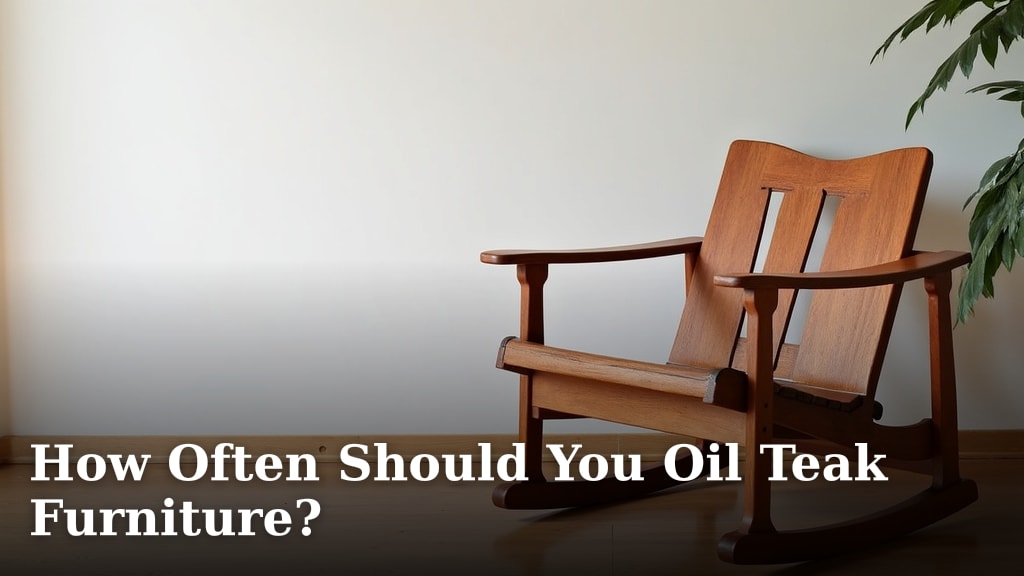
Wood is beautiful but can be sensitive to winter. After cleaning and drying, many people apply a wood sealant or oil. This adds an extra layer of protection against moisture. It’s like putting on a winter coat for your wood.
If storing outdoors, cover it well and keep it off the ground. Research often connects proper sealing with extended wood lifespan (Forest Products Laboratory).
Metal Furniture Care
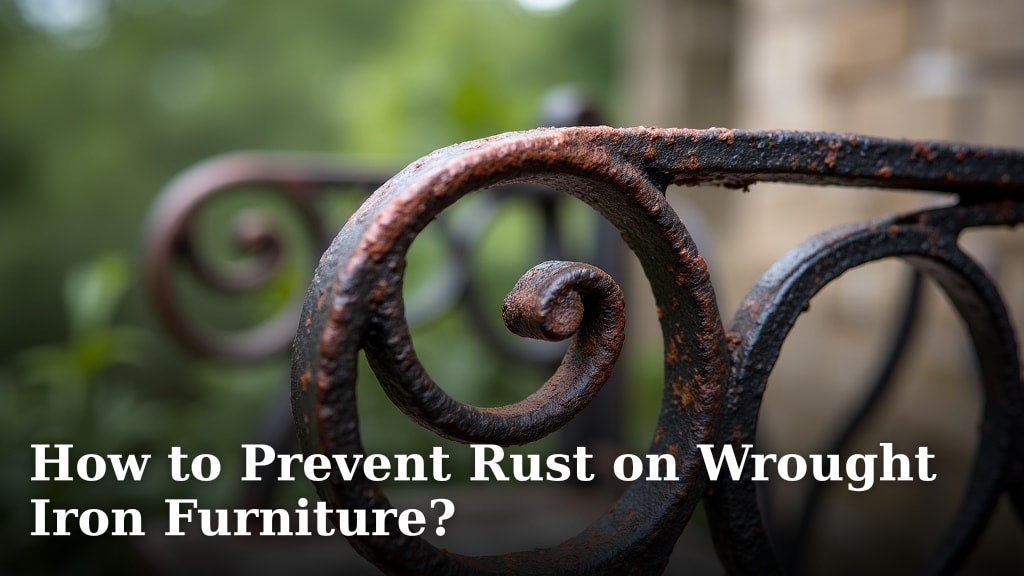
Metal’s biggest enemy is rust. Before storing, check for any scratches or chips in the paint. Touch these up to prevent rust from starting. A coat of car wax can also add a protective layer to aluminum or steel.
Make sure it’s completely dry before covering or moving indoors.
Disassembly for Space Saving
Large tables or chairs might take up too much room. Many experts suggest disassembling them if possible. Keep all hardware in a labeled bag. This saves space and protects individual pieces from damage during storage.
Take a quick photo before disassembling. It helps when putting it back together.
Your Winter Patio Furniture Checklist
Ready to get started? Here’s a quick list to guide you:
- Clean all furniture pieces thoroughly.
- Ensure everything is completely dry.
- Wash and store cushions indoors.
- Apply any necessary sealants or rust treatments.
- Disassemble large items if space is tight.
- Choose your storage location (indoors or outdoors with covers).
- Elevate outdoor-stored items off the ground.
- Check on stored items periodically for any issues.
Conclusion
Storing your patio furniture for winter is a simple act of care. It protects your investment, saves you money, and ensures your outdoor space is ready to shine when spring returns. A little cleaning, drying, and thoughtful placement go a very long way.
You’ve got this! Your patio furniture will thank you for its cozy winter rest.
How do I prevent mold on patio cushions in winter?
To prevent mold, ensure cushions are completely clean and dry before storage. Store them indoors in a cool, dry place, preferably in breathable storage bags. Avoid airtight plastic, which can trap moisture.
Can I leave plastic patio furniture outside in winter?
While plastic furniture is durable, extreme cold can make it brittle and prone to cracking. We recommend cleaning it thoroughly and storing it indoors or under a high-quality, breathable cover to extend its life.
What kind of covers are best for outdoor patio furniture storage?
The best covers are heavy-duty, waterproof, and breathable. Look for materials like polyester or vinyl with a waterproof coating. Covers with vents help prevent moisture buildup underneath, reducing the risk of mold and mildew.
Should I oil or treat my wooden patio furniture before winter storage?
Yes, many experts recommend applying a fresh coat of wood sealant or oil to wooden furniture before winter storage. This protects the wood from moisture absorption and helps prevent cracking or warping due to temperature changes.
Is it okay to stack patio chairs for winter storage?
Yes, stacking patio chairs can save significant space, especially if you’re storing them indoors. Just be sure the chairs are clean and dry. Placing thin pads or towels between them can prevent scratches and scuffs.