How To Store Patio Furniture For The Winter?
To store patio furniture for the winter, you should first clean and completely dry each item to prevent mold and mildew. Next, protect your furniture with appropriate covers or secure storage bags.
Then, move your cleaned and covered patio furniture to a dry, sheltered spot like a garage, shed, or basement to shield it from harsh winter weather and extend its lifespan.
- Clean and dry all furniture pieces thoroughly before storage.
- Separate cushions and store them indoors in airtight bags or containers.
- Choose an appropriate storage location, such as a garage, shed, or basement.
- Protect furniture with covers, tarps, or disassembling when possible.
- Organize your stored items to maximize space and prevent damage.
How To Store Patio Furniture For The Winter?
Storing patio furniture for the winter involves cleaning, drying, and protecting each piece. This helps prevent damage and ensures your outdoor space is ready to enjoy next spring.
Why Bother Storing Your Patio Furniture?
You might wonder, “Is it really worth the effort?” Absolutely! Leaving furniture outside during winter exposes it to harsh elements. Think about ice, snow, and strong winds that can cause real damage. We found that proper storage can significantly extend the life of your furniture (Consumer Reports).
Protecting your patio pieces saves you money in the long run. Replacing damaged items can be costly, right? Plus, well-maintained furniture looks better and feels more comfortable when you bring it out again.
Early Steps: Preparing Your Furniture
Before any item goes into storage, it needs a good cleaning. This isn’t just about appearances; it’s about preventing problems. Dust, grime, and even lingering pollen can attract pests or lead to mold growth when covered.
Give Everything a Good Clean
Start with a simple soap and water solution. Use a soft brush or cloth to scrub away dirt. For tougher spots, many experts suggest a mixture of mild detergent and warm water. Remember to check manufacturer guidelines for specific materials.
For cushions, check the care tags. Many have removable covers you can machine wash. If not, spot cleaning is usually your best bet. A clean cushion is a happy, mold-free cushion!
Dry, Dry, Dry!
This step is probably the most critical. Any moisture left on or in your furniture is an open invitation for mildew and rust. Mold and mildew love dark, damp environments, which storage often provides.
Let everything air dry completely. If you’re short on time, use a clean towel to wipe down surfaces. For cushions, consider bringing them indoors to dry thoroughly for a day or two. Think of it like drying your hair before bed; you don’t want to go to sleep wet!
Material-Specific Storage Tips
Different materials need different care. Treating a metal chair like a wooden one could lead to unintended damage. Let’s look at some common types.
Wood Furniture Care
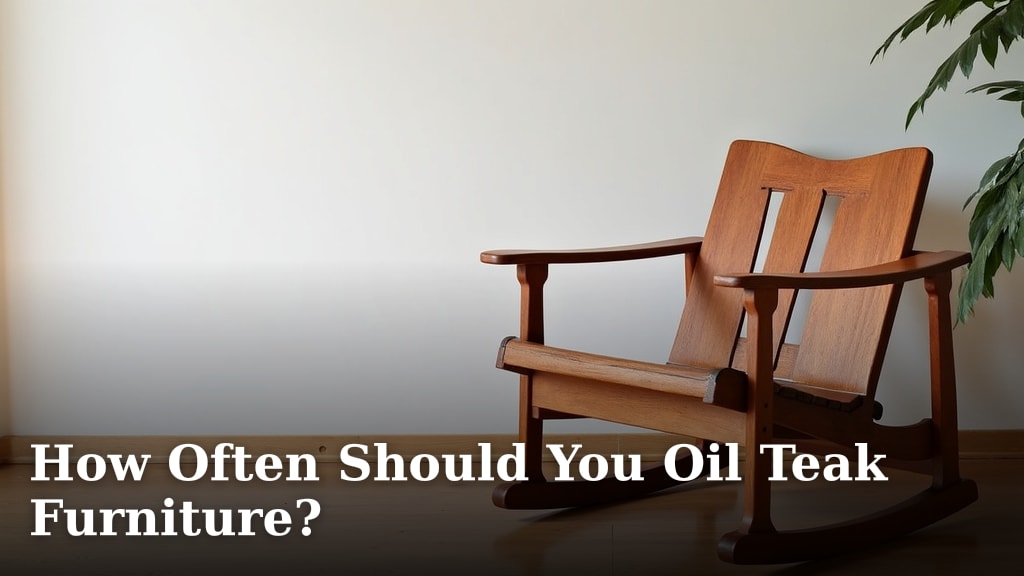
Wooden pieces often need a little extra love. After cleaning and drying, many experts recommend applying a fresh coat of sealant or oil. This protects against moisture and prevents the wood from drying out (Fine Woodworking).
Store wooden furniture slightly elevated off the ground if possible. This helps air circulate and reduces moisture absorption from the floor. Imagine a little breeze keeping things fresh!
Metal Furniture Solutions
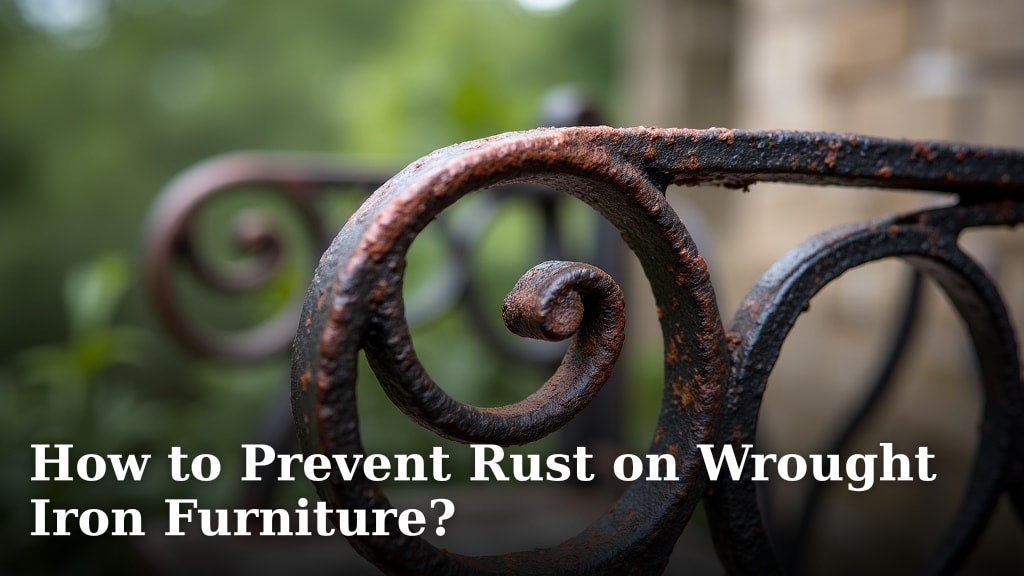
Metal furniture, like wrought iron or aluminum, can rust or corrode if exposed to moisture. After cleaning, inspect for any scratches or chips in the paint. Touch these up to prevent rust from forming.
For extra protection, consider a wax coating on metal surfaces. This creates a barrier against humidity. Disassembling larger metal pieces can also save space and prevent bending or stress.
Plastic and Resin Pieces
Plastic and resin are generally the easiest to store. They’re durable and less prone to moisture damage. However, extreme cold can make them brittle. Store them where temperatures don’t drop too drastically.
Stacking plastic chairs is a great space-saver. Just make sure they’re clean first to avoid trapping dirt between them. It’s like stacking clean plates, right?
Cushions and Fabric: A Special Case
Cushions and other fabric items are perhaps the most vulnerable to mold and pests. We found that storing them indoors is almost always the best option. Think about your favorite sweater; you wouldn’t leave it outside!
- Clean and dry cushion covers completely.
- Place cushions in airtight storage bags or containers.
- Add moisture absorbers (like silica gel packets) to containers.
- Store them in a closet, basement, or attic away from direct sunlight.
Choosing Your Winter Storage Location
Where you store your furniture is just as important as how you prepare it. The goal is a dry, sheltered, and relatively stable environment.
| Storage Location | Pros | Cons |
|---|---|---|
| Garage | Easy access, good protection from elements. | Can be damp, limited space, temperature fluctuations. |
| Shed | Dedicated space, good protection. | Can be damp, pest issues, not always temperature-controlled. |
| Basement | Temperature stable, very dry (if well-maintained). | Limited access, stairs, can take up living space. |
| Covered Patio | Convenient, no moving. | Still exposed to humidity, wind, colder temps. |
If you must use a covered patio or porch, use robust, waterproof covers. Even then, you’re still battling humidity and chill. Many experts say that indoor storage is superior for delicate items.
Protecting Your Pieces: Covers and Disassembly
Once cleaned and in its designated spot, your furniture still needs a final layer of defense.
Invest in Good Covers
High-quality patio furniture covers are breathable, waterproof, and UV-resistant. Avoid cheap plastic tarps; these can trap moisture and cause more harm than good. A good cover acts like a coat for your furniture.
Ensure covers fit snugly but aren’t too tight. Airflow is important to prevent condensation underneath. We found that covers with vents are particularly effective (Outdoor Living Today).
Consider Disassembly
For larger tables or chairs, taking them apart can be a smart move. It saves space and reduces the chance of stress on joints from shifting during storage. Remember to label all nuts, bolts, and small parts! Put them in a plastic bag attached to the furniture.
Quick Winter Storage Checklist
Here’s a fast reminder of what to do:
- Clean all surfaces thoroughly.
- Ensure every piece is bone-dry.
- Treat wood or metal as needed.
- Store cushions indoors, sealed away.
- Choose a dry, sheltered storage location.
- Use breathable, waterproof furniture covers.
- Disassemble larger items if space is tight.
- Elevate furniture slightly off the floor.
Conclusion
Taking the time to properly store your patio furniture for winter is a smart investment. It protects your items from harsh weather, extends their lifespan, and saves you money on replacements. By following these steps—cleaning, drying, protecting, and choosing the right spot—you ensure your outdoor oasis is ready to bloom again when spring arrives. Isn’t that a great feeling?
FAQs About Patio Furniture Storage
How do I prevent mold on patio cushions during winter storage?
To prevent mold, thoroughly clean and completely dry your patio cushions before storing. Place them in airtight bags or plastic bins with moisture absorbers like silica gel packets. Store them indoors in a dry, climate-controlled area, such as a closet or basement, rather than a damp shed or garage.
Can I leave my metal patio furniture outside if it’s covered?
While a good cover offers some protection, leaving metal patio furniture outside, even covered, exposes it to extreme cold and humidity. This can still lead to rust or corrosion over time, especially for wrought iron. Indoor storage in a garage or shed offers much better protection and extends the furniture’s life.
What’s the best way to store large patio tables?
For large patio tables, the best approach is often to disassemble them. Remove the tabletop from the base to save space and reduce stress on the joints. Clean and dry all parts, then store them flat or vertically in a dry, sheltered area like a garage or basement, using covers for extra protection.
Should I use a plastic tarp or a specific furniture cover for storage?
Always opt for a specific furniture cover over a standard plastic tarp. Furniture covers are usually made from breathable, waterproof, and UV-resistant materials designed to prevent moisture buildup and allow air circulation. Plastic tarps can trap condensation, potentially leading to mold and mildew under the cover.
Is it okay to stack all my patio chairs on top of each other for winter storage?
Stacking patio chairs can save space, but it’s essential to do it carefully. Ensure chairs are clean to prevent dirt from scratching surfaces. Only stack chairs designed to be stacked, and avoid stacking too high to prevent instability or damage to the frames. For plastic chairs, this is generally fine, but be more cautious with metal or wood.