
How To Sew Patio Furniture Cushion Covers?
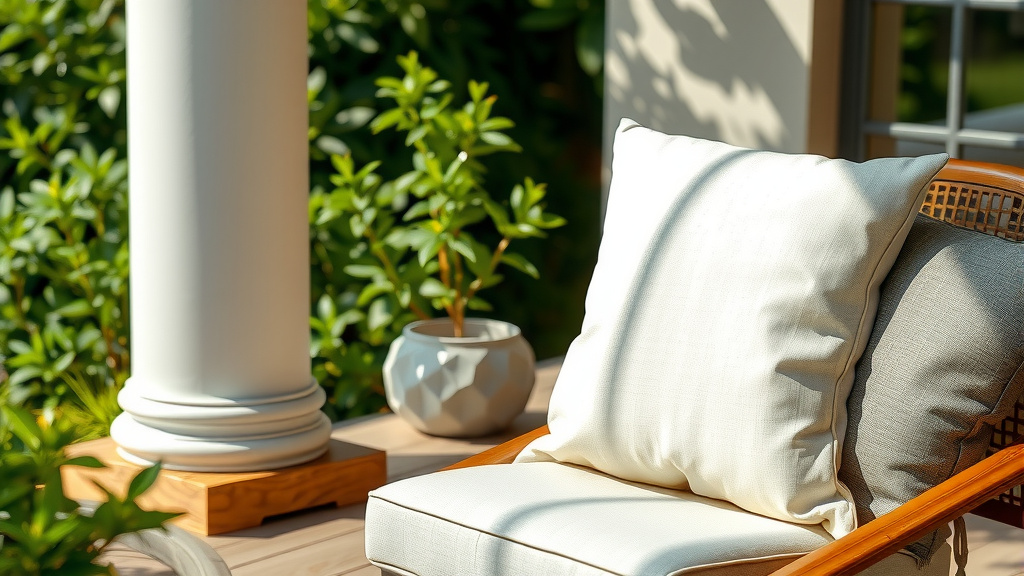
To sew patio furniture cushion covers, you will need to accurately measure your existing cushions, choose durable outdoor fabric, and cut your fabric pieces with care. Then, you’ll stitch these pieces together using a heavy-duty sewing machine, often incorporating a zipper for easy removal and cleaning.
Making your own patio cushion covers provides a cost-effective way to refresh your outdoor space, allows for unique design choices, and gives you a sense of accomplishment.
Here’s a quick summary of what you’ll learn:
- How to choose the best outdoor fabric for durability.
- The essential tools you will need for your sewing project.
- A clear, step-by-step guide from measuring to final stitching.
- Common mistakes to avoid for a professional finish.
- Tips for maintaining your newly sewn cushion covers.
How To Sew Patio Furniture Cushion Covers?
You can sew patio furniture cushion covers by carefully measuring your old cushions, selecting durable outdoor fabric, cutting new fabric pieces, and then stitching them together with a heavy-duty sewing machine, often adding a zipper for easy removal.
Why Bother Sewing Your Own?
Why would you sew your own cushion covers instead of just buying new ones?
Many homeowners find that DIY covers offer significant savings compared to retail prices.
Plus, you get to pick fabrics and patterns that truly match your unique style.
There’s a real satisfaction in creating something beautiful and practical with your own hands, isn’t there?
Gathering Your Essentials: What You’ll Need
Before you even think about cutting fabric, let’s talk about preparation.
Having the right supplies on hand makes the entire process smoother and more enjoyable.
Think of it as setting the stage for your creative project.
Choosing the Right Fabric
This decision is arguably the most important step for outdoor cushions.
You need fabric that can withstand sun, rain, and general outdoor wear and tear.
We found that solution-dyed acrylics, often branded as Sunbrella, are top choices for their fade and mildew resistance (Textile Industry Insights).
Vinyl or polyester blends can also work, offering different textures and price points.
Tools of the Trade
A sturdy sewing machine capable of handling thick fabrics is a must-have.
You will also need heavy-duty needles (size 16 or 18) and UV-resistant polyester thread.
Other essentials include a measuring tape, fabric scissors, an iron, pins or clips, and a long zipper.
Step-by-Step Guide to Sewing Patio Cushion Covers
Ready to turn that pile of fabric into something fantastic? Let’s walk through it.
Breaking it down into smaller steps helps manage the project without feeling overwhelmed.
It’s like following a recipe; each step builds on the last for a perfect result.
Step 1: Accurate Measurements Are Key
Start by carefully measuring your old cushion covers, or the foam inserts themselves.
You’ll need the length, width, and thickness for the top, bottom, and side panels.
Remember to add a seam allowance, typically half an inch, to all your dimensions.
Many experts say to measure twice, cut once to save fabric (Sewing for Beginners).
Step 2: Cutting Your Fabric Pieces
Lay your chosen outdoor fabric flat and smooth it out thoroughly.
Using your precise measurements, carefully mark out all your cushion pieces.
Cut out the top, bottom, and all the side panels you need for each cushion.
Sharp fabric scissors make this much easier, ensuring clean, straight edges.
Step 3: Preparing for the Zipper (If Using)
A zipper makes removing the covers for cleaning a breeze.
We found that a longer zipper, running across one entire side, works best.
Attach the zipper to one of your side panels, or perhaps the back panel of the cushion.
This allows for easy insertion and removal of the foam insert.
Step 4: Stitching the Panels Together
Pin your fabric pieces right sides together, matching edges carefully.
Use your sewing machine with a straight stitch and your heavy-duty thread.
First, sew the side panels to each other, creating a box shape.
Then, attach the top and bottom panels to this box, sewing slowly and steadily.
Step 5: Finishing Touches
Once all seams are sewn, trim any excess threads and turn your cover right side out.
Carefully push out the corners to create crisp edges.
Insert your foam cushion, zip it up, and see your beautiful work!
A quick press with an iron can help flatten seams for a more polished look.
Common Mistakes to Avoid
Even experienced sewers can stumble sometimes.
Knowing common pitfalls can help you avoid frustration and save time.
It’s like knowing the shortcuts on a familiar road.
- Not preshrinking your fabric if it’s a type that might shrink.
- Forgetting to add seam allowances to your measurements.
- Using regular indoor fabric for an outdoor project – it won’t last!
- Rushing the cutting process, leading to crooked pieces.
- Using the wrong type or size of needle for your thick outdoor fabric.
Fabric Options Comparison
Choosing the right fabric is critical for outdoor durability and appearance.
Here’s a quick comparison of popular options:
| Fabric Type | Pros | Cons | Best Use |
|---|---|---|---|
| Solution-Dyed Acrylic | Excellent fade/mildew resistance, soft feel, breathable. | Higher cost. | High-traffic, sunny areas. |
| Polyester | Good resistance to stretching/shrinking, affordable, durable. | Can fade over time, less breathable than acrylic. | Moderate use, covered patios. |
| Vinyl | Very waterproof, easy to wipe clean, strong. | Stiff, can get hot in sun, less breathable. | Heavy rain areas, commercial use. |
| Olefin | Fade and chemical resistant, quick-drying, affordable. | Not as soft as acrylic, less durable than polyester. | General outdoor use, budget-friendly. |
Maintenance Tips for Your New Covers
You’ve poured your effort into making these beautiful covers; now keep them looking great!
Regular maintenance will extend their life and keep your patio looking fresh.
Most outdoor fabrics can be spot cleaned or machine washed on a gentle cycle with mild detergent.
Allow them to air dry completely to prevent mildew growth before putting them back on your cushions.
Store your cushions indoors during harsh weather or off-season for maximum longevity.
Checklist for Success
Before you start sewing, quickly review this list:
- Are your measurements accurate and double-checked?
- Is your chosen fabric specifically outdoor-grade?
- Do you have the right needle and thread for heavy fabric?
- Have you accounted for a zipper if you want removable covers?
- Are your sewing machine settings appropriate for thick materials?
- Do you have enough fabric, allowing for pattern repeats or mistakes?
Conclusion
Sewing your own patio furniture cushion covers is a rewarding project that offers both creative satisfaction and practical benefits. You gain customized designs, significant cost savings, and the pride of a DIY accomplishment.
With careful measurements, the right outdoor fabric, and a few basic sewing skills, you can transform your outdoor living space with fresh, stylish, and durable cushions.
So, why not roll up your sleeves and give it a try? Your patio will thank you!
How much fabric do I need for a standard patio cushion?
The amount of fabric depends on the cushion size. For a typical chair cushion (about 20x20x4 inches), you might need 1.5 to 2 yards of 54-inch wide fabric per cushion. Larger cushions or those with complex shapes will require more. Always measure all panels (top, bottom, sides) and add seam allowances to get an accurate total.
Can I use regular indoor fabric if I spray it with water repellent?
While you can spray indoor fabric with a water repellent, it generally won’t offer the same level of durability or fade resistance as true outdoor fabric. Indoor fabrics are not designed to withstand constant sun exposure, humidity, or mildew, and the repellent spray may wear off over time. For lasting results, outdoor-specific fabric is always recommended.
What type of sewing machine works best for outdoor fabric?
A heavy-duty home sewing machine or an industrial machine is best for outdoor fabrics. These machines have stronger motors and can handle thick layers of fabric without straining. Look for models that can easily sew through multiple layers of denim or canvas. Using the correct needle size (e.g., denim needle size 16 or 18) is also crucial.
How do I measure for irregular-shaped cushions?
For irregular shapes, it’s often easiest to create a paper pattern first. Lay the cushion on a large sheet of paper (like butcher paper or newspaper) and trace its outline. Cut out the pattern and use it to measure and cut your fabric, remembering to add your seam allowance around all edges. This method helps ensure an accurate fit for complex designs.
Should I wash the outdoor fabric before sewing?
Many outdoor fabrics, especially solution-dyed acrylics, are preshrunk and do not require pre-washing. However, if you are using a polyester blend or a fabric that you suspect might shrink, it’s a good idea to pre-wash and dry it according to the manufacturer’s instructions. This prevents shrinkage after your covers are sewn, ensuring they maintain their shape and size.
